This isn't a tournament report or a game analysis. It's a philosophical meditation on why chess matters beyond ratings and rankings.
The piece draws a straight line between the Latin phrase memento mori, "remember you must die," and the nature of chess itself. Every game starts with infinite possibility. Players make choices. Conflict erupts. The end comes inevitably. Checkmate. Game over.
The clock ticking down mirrors mortality. Your sacrifices on the board echo real-world tradeoffs. Your ambitions crash against concrete limits. The checkered board becomes a microcosm of human existence.
This isn't new thinking. Philosophers have compared chess to life for centuries. But the article nails something true: chess forces you to confront finitude in a compressed, pure form. You can't bargain with the clock. You can't undo moves. You play, you lose, you learn, you die.
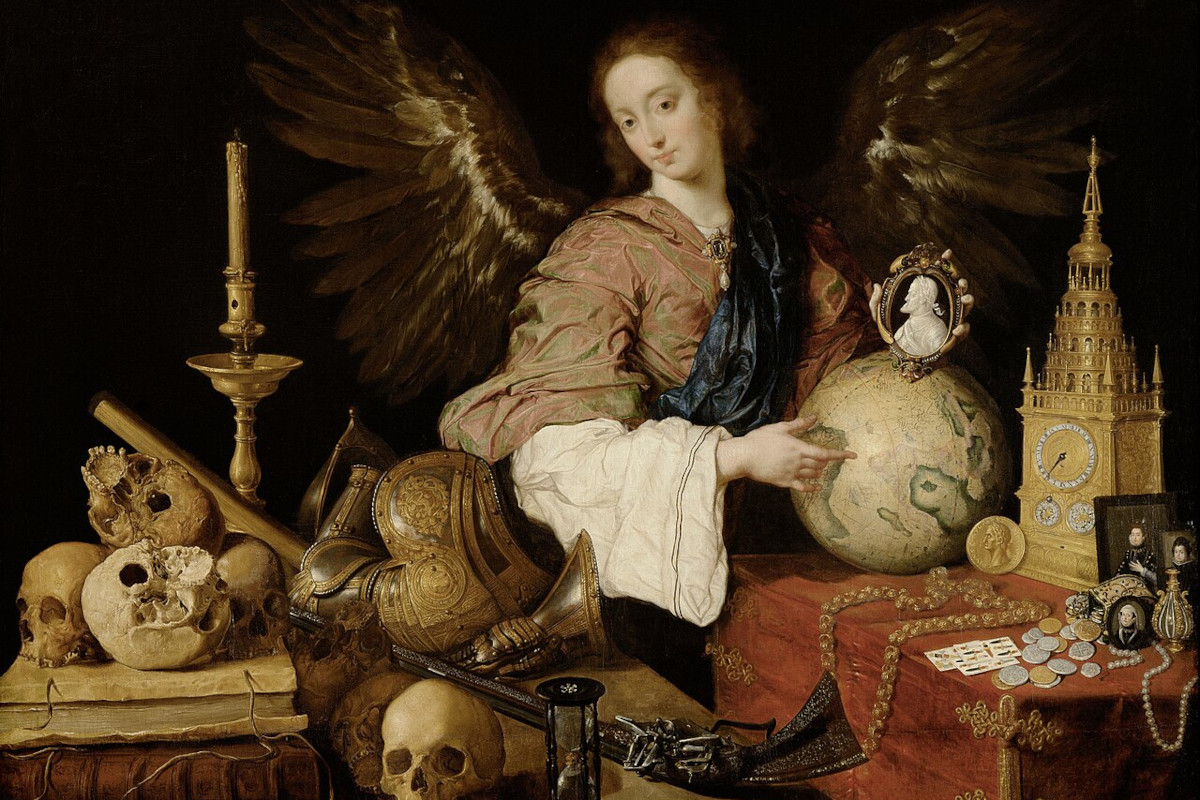
The Baroque painting of vanity accompanying the piece reinforces the message. Wealth, beauty, power. None of it lasts. The chessboard sits in the middle of it all, patient and indifferent.
For serious players, this isn't morbid. It's clarifying. You show up. You play hard. You accept the outcome. Then you move on to the next game.