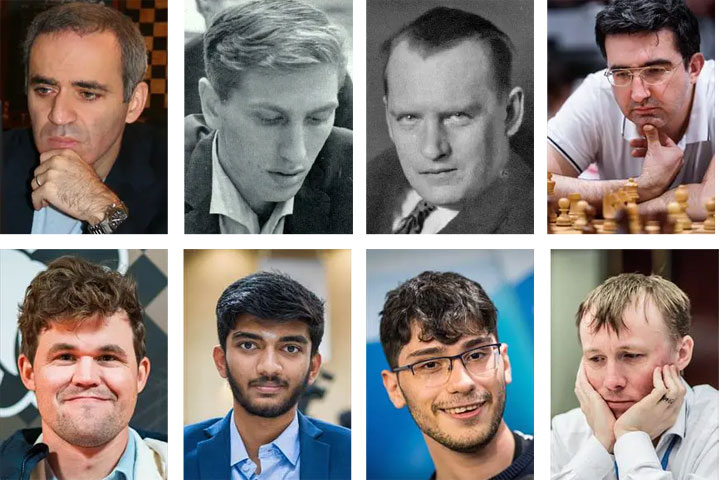
Jeff Sonas crunched the numbers on his Chessmetrics historical ratings and spotted something worth discussing. The youngest players to crack the top ten varies dramatically depending on which rating system you use.
Sonas built Chessmetrics to reach back over a century, before FIDE ever started publishing Elo ratings in 1971. That matters. It lets him compare modern players to chess history's elite on the same scale, something official Elo cannot do.
The data reveals patterns. Some players hit the top ten as teenagers. Others needed decades to climb there. Without Sonas's historical framework, we lose perspective on whether today's young prodigies genuinely peaked earlier than Kasparov did, or whether modern rating inflation just makes it look that way.
His unofficial system has real value for chess historians and analysts hunting for context. When you want to know if a 16-year-old's top-ten rating stacks up against the legends, you need a measurement that spans generations. FIDE's snapshot approach cannot answer that question.
The list exists. Sonas's methodology is sound. Now the chess world can finally argue about whether the young guns today are actually better than yesterday's champions, or just better fed.