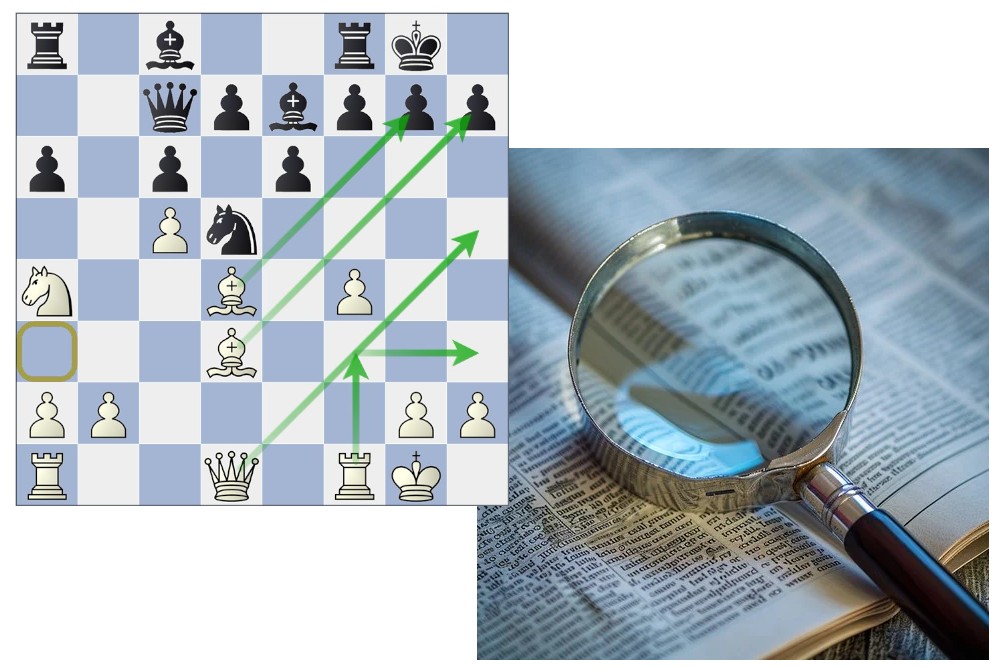
Jon Speelman makes a simple but lethal point: most players calculate the center of the board and miss the edges. You get checkmated on the back rank while your rook sits idle three squares away. You calculate a brilliant sacrifice that doesn't work because a pawn move you ignored changes everything.
Speelman walks through positions where small details transform the verdict. A back-rank motif decides a game. A double bishop sacrifice, rooted in Lasker's attack on Bauer, teaches you why you must see the whole square. An adjourned game between Kotov and Lambert reveals quiet resources that shift evaluation in seconds.
The lesson matters most when you calculate variations. You can't stop halfway through when the immediate fireworks end. Push the line deeper until the position stabilizes. Check what's happening on empty files. Look at pawn breaks your opponent can make. Notice what your pieces do when they're not the center of attention.
Tactical awareness isn't about finding wild moves. It's about seeing everything. The quiet rook move that defends the back rank. The pawn advance that closes an escape square. The bishop retreat that guards two squares at once. These details kill more games than brilliant sacrifices do. Speelman's message is direct: widen your vision or lose to what you didn't see.