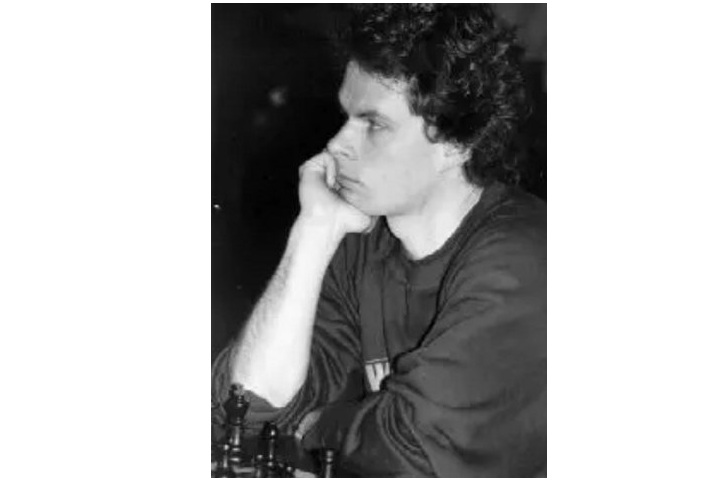
Soenke Maus walked away from chess at his peak. In 1995, the German prodigy quit the game entirely to become a marine researcher in Norway, abandoning what looked like a promising international career.
At the tail end of the 1980s, Maus was one of Germany's brightest talents. He proved it in 1989 at Lugano, demolishing Robert Hübner in 19 moves. The win came in a theoretically critical variation, the kind of game that shapes how strong players approach openings for years afterward.
Maus never got the chance to build on that breakthrough. While his peers climbed the rating ladder and fought for grandmaster titles, he made a clean break. He chose the ocean over the chessboard, and the research labs of Norway over tournament halls.
It's the road not traveled in chess. Maus had the talent to compete at the highest level. Instead, he became excellent at something else entirely. His Lugano victory remains his calling card in chess circles. It's a reminder that opening theory owes debts to players who left the game behind. Some of the sharpest lines in modern chess came from people who stopped playing decades ago.