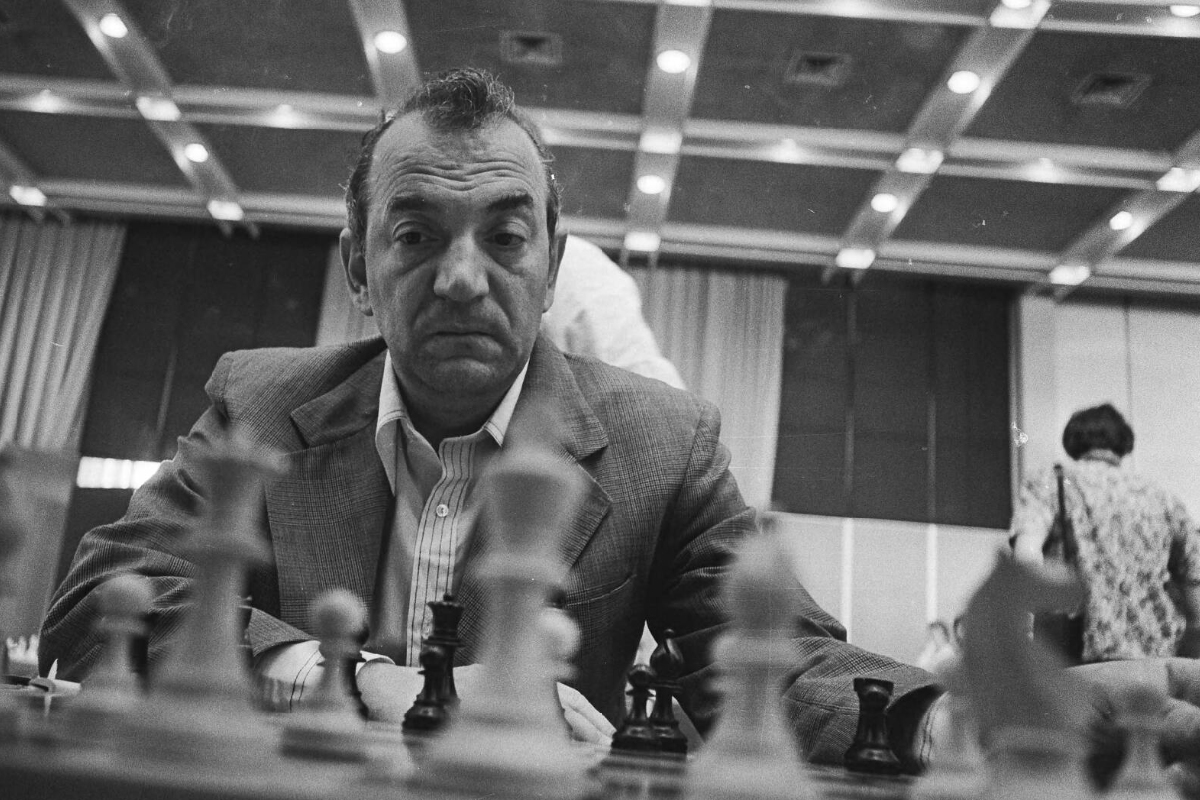
Viktor Korchnoi defected from the Soviet Union in July 1976, jumping ship during the IBM tournament in Amsterdam. He was the world's second-ranked player at the time, a genuine superpower in the game who had just lost the World Championship match to Anatoly Karpov the year before.
The Soviets didn't take it well. They unleashed a propaganda campaign against him and nearly boycotted Western chess entirely. It was a Cold War chess drama that played out across tournament halls and diplomatic channels alike.
Korchnoi's escape mattered because he brought real strength to the Western chess world. He wasn't some middling player jumping sides. He was a legitimate threat to anyone with a board. Over the next years, he competed in multiple World Championship matches against Karpov, with the games becoming flashpoints in the broader Cold War tension. The matches were ugly affairs, with Soviet delegations lodging complaints about everything from Karpov's yogurt to alleged psychic warfare.
What made Korchnoi's defection different from other Soviet emigres was his refusal to disappear quietly. He kept playing at the highest level, kept challenging for the world title, kept being a visible symbol of a Soviet master who chose the West. That visibility made him a target for Soviet retaliation but also a hero to those who saw chess as one more arena where the superpowers competed for supremacy.