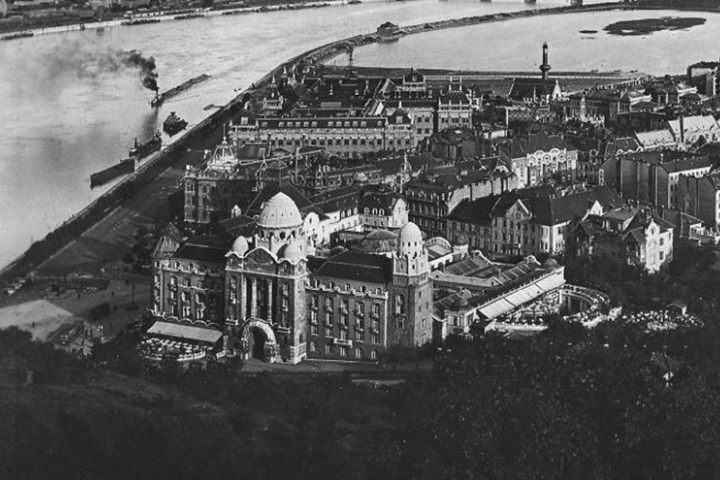
The Chess Olympiad traces back to Budapest 1926, when FIDE organized the first international team event just two years after the federation's founding. The tournament was small by modern standards, with only a handful of nations competing. But it established the template that would evolve into today's sprawling 180-plus team competition.
That modest beginning in Hungary mattered. The concept of an annual global championship where countries send their strongest players to compete as units, rather than individuals chasing a world title, was genuinely novel. It created something chess had never had before: a democratic tournament where smaller chess nations could claim a piece of glory.
A century later, the format endures with barely any structural change. The Olympiad still crowns a champion based on team performance across multiple boards. Players still represent their countries. The rhythm remains steady, moving from city to city each year.
This September's 46th Olympiad in Samarkand carries that 1926 DNA. The tournament has grown exponentially, but its purpose stays locked in place. FIDE built something in Budapest that actually worked. Nearly a hundred years on, chess still plays by those rules.