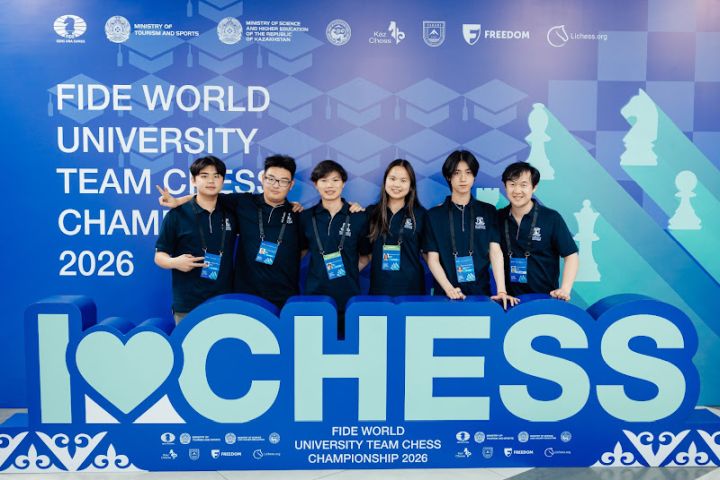
FIDE launched the first World University Team Chess Championship in Almaty, Kazakhstan, bringing together college squads from around the globe. Al-Farabi Kazakh National University hosts the event as part of the federation's Year of Chess in Education 2026.
This inaugural tournament marks a shift in how chess organizations approach development. Instead of funneling resources exclusively into junior circuits and elite training camps, FIDE is investing in university-level competition. The move recognizes that campus chess communities produce talent differently than traditional pathways. Universities breed players who balance competitive chess with serious academics, and many maintain club cultures that keep the game alive long after tournament circuits end.
The timing matters. FIDE's education initiative suggests the federation sees universities as underexploited ecosystems for growing the game. Universities host clubs, tournaments, and player pools that rarely get international spotlight. By creating a world championship at this level, FIDE legitimizes university chess as a tier worth watching.
What unfolds in Almaty will shape how federations think about supporting chess in higher education. A successful inaugural event could spawn regional university championships and attract sponsorship to what has been a grassroots corner of competitive chess. The format also gives emerging players outside the traditional elite pipeline a genuine world stage before they either turn pro or step away from serious competition.