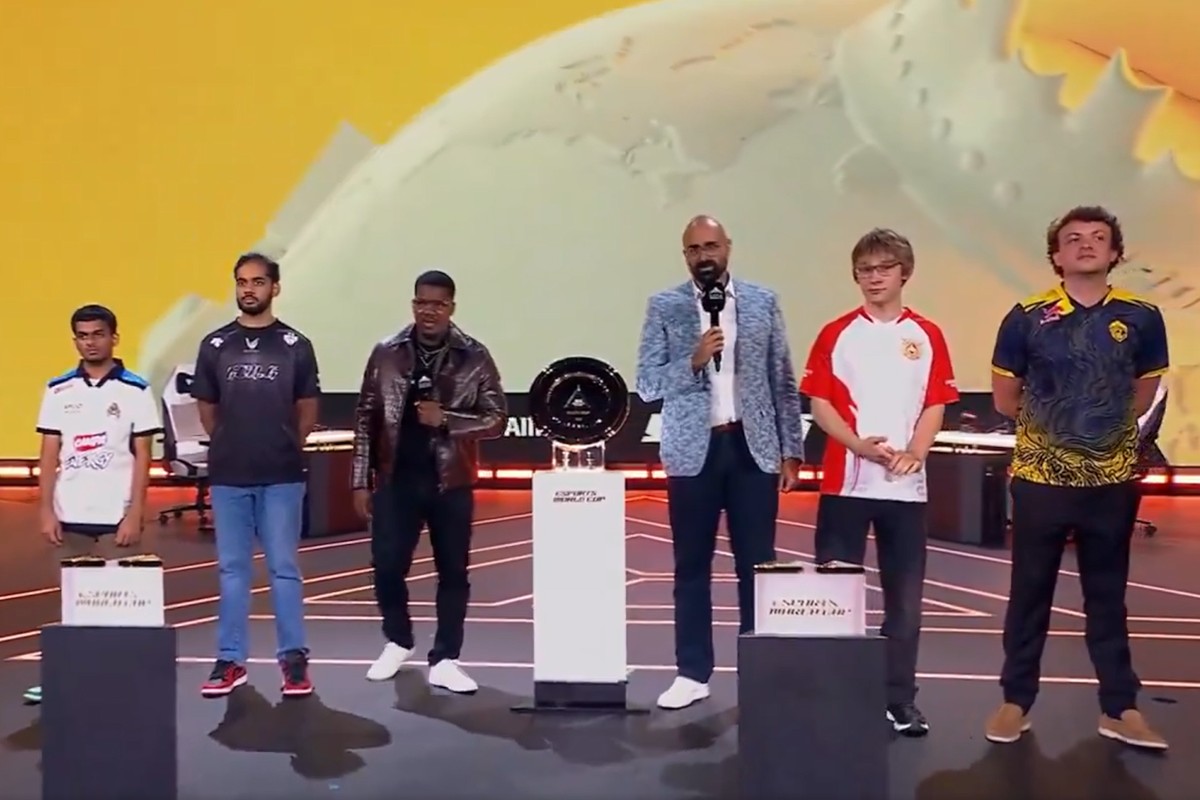
The Esports World Cup playoffs are set, and the bracket screams drama. Magnus Carlsen draws Nihal Sarin in the quarterfinals. Hikaru Nakamura faces Arjun Erigaski. Nodirbek Abdusattorov meets Denis Lazavik. Alireza Firouzja plays Hans Niemann.
Four players earned their spots the hard way. Nihal, Erigaski, Lazavik and Niemann clawed through Thursday's losers bracket gauntlet to reach the final eight. That means they've already absorbed losses and burned mental energy. The four who advanced Wednesday (Carlsen, Nakamura, Abdusattorov, Firouzja) get fresh legs and a lighter load.
The Carlsen-Nihal matchup is the one everyone will watch. Nihal has been rising steadily through the online rankings. He's shown he can challenge the absolute elite in blitz and rapid formats. Carlsen, even in an online tournament against a massive field, remains the heavy favourite. But Nihal coming through the losers bracket means he's played extra games. He knows the formats. He's sharp. This isn't a walkover.
Nakamura versus Erigaski is the Indian vs American duel. Erigaski has proven himself repeatedly as one of the world's best practical players in fast chess. He doesn't play the prettiest moves always, but he finds wins. Nakamura thrives in these conditions too. His tactical vision and time-scramble management are world class. Both players enjoy fast time controls, so expect complications and fireworks rather than grinding positional battles.
The Abdusattorov-Lazavik pairing might be the least hyped, but Lazavik's run through the losers bracket suggests he's playing with confidence. Abdusattorov is consistently strong in these events. He doesn't make headlines the way Carlsen or Nakamura do, but he regularly finishes near the top. This could be a well-fought technical duel.
Firouzja versus Niemann carries its own subplot. Niemann's tournament performance has improved noticeably in recent months. His online credentials were always strong, but he's now proving himself in over-the-board classical chess as well. Firouzja is a generational talent who combines classical understanding with online speed. They're roughly peers in strength, which means this should be competitive.
The format matters here. Esports World Cup uses rapid and blitz games. Nobody plays long classical time controls online. That favors the players with the sharpest pattern recognition and fastest mental processing. Carlsen still excels in those conditions, but the margin shrinks. A player like Erigaski or Nakamura, who have spent years competing in online opens and arena tournaments, might have an edge in adaptation compared to someone whose reputation was built primarily on classical chess.
Lazavik's path to the semifinals (if he beats Abdusattorov) would be the cinderella story. He's not a household name like Carlsen or Nakamura, but that's partly because he hasn't had as many major tournament platforms. An Esports World Cup playoff run changes narratives quickly.
The quarterfinals are best-of format, which means variance decreases. Over a series, the stronger player usually wins. Over a single game, a tactical accident or time-scramble chaos can flip everything. Multiple games reward consistency and deep preparation.
What happens next depends on draws and momentum. If Carlsen reaches the semifinal, he becomes the tournament favorite. If Nakamura breaks through against Erigaski, the American might have enough rhythm to compete with Carlsen later. An Abdusattorov or Firouzja run to the final would reshape the narrative around who the fastest chess minds really are at the highest level.
The losers bracket qualifying route is brutal but legitimate. These four players proved they could bounce back from defeat. They earned their seats at the table. The Wednesday qualifiers had easier paths, and that might matter. But in fast chess, momentum and confidence can override preparation advantages. Thursday's qualifiers are warm. They're dangerous.