India's chess federation can celebrate a rare double. Vidit Gujrathi and Divya Deshmukh, two of the country's most accomplished grandmasters, received the Arjuna Award on 18 August 2026. This is India's second-highest sporting honour, and both players earned it on merit.
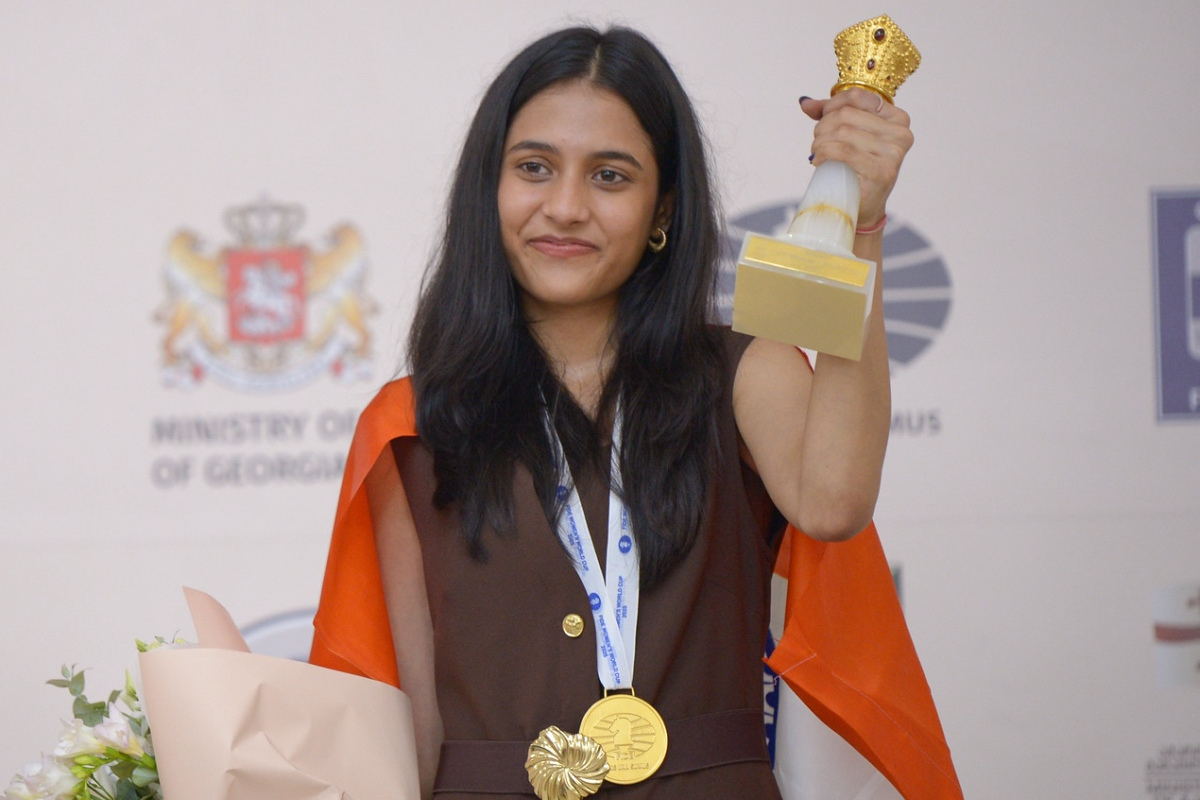
Deshmukh's path to the award was direct. She won the 2025 FIDE Women's World Cup, a result that put her name in contention for recognition at the national level. That tournament victory matters because the Women's World Cup is not a single event anyone can stumble into. It requires beating the world's best female players across multiple rounds. Deshmukh did exactly that.
Gujrathi's recognition reflects something different. The committee honoured him for sustained contribution to Indian chess. This is not tied to one breakthrough result but to years of consistent high-level play, tournament victories, and raising the standard of the game in India. That matters. The Arjuna Award typically goes to athletes at or near their peak, delivering results year after year. Gujrathi has done that.
What this award means for Indian chess is straightforward. The Arjuna Award carries prestige and financial recognition from the government. More than that, it signals that chess sits at the table with cricket, badminton, hockey, and athletics in India's sporting consciousness. Seventeen recipients were named in 2026. Chess got two of them. That ratio matters when it comes to future funding, sponsorship interest, and the infrastructure younger players need to develop.
Deshmukh's World Cup win was the kind of breakthrough many predicted. She had been rising through the women's ranks for years, and the 2025 result confirmed what observers already suspected. A female player of Indian origin winning one of chess's most prestigious women-only tournaments draws media attention and creates pathways for the next generation of girls coming into the game.
Gujrathi is a different case. He has been a top-100 player for years, competing at the highest levels against Carlsen, Radjabov, Vachier-Lagrave, and others. He has won tournaments. He has represented India at Olympiads. He has done the grinding, thankless work of chess mastery without the singular World Championship narrative that attracts casual attention. The award recognizes that grind.
The timing matters too. Both players receiving the award in the same year sends a message about women's representation in Indian chess. Deshmukh is not an anomaly or a one-off. She is one of two players from India's chess community deemed worthy of the country's second-highest sporting honour. That distinction opens doors for other women players in Indian chess who may have been overlooked by national sports bodies in earlier years.
For Gujrathi and Deshmukh personally, the award changes nothing about how they will prepare for their next tournaments. Neither will wake up tomorrow playing better chess because the government recognized their work. But it changes how sponsors see them, how young players in India view the sport, and what resources might flow toward chess in the coming years.
The Arjuna Award is not unique to chess. But Indian chess receiving it from the government, twice in one announcement, is a statement. The country that produced Vishy Anand, that hosted some of the world's most prestigious tournaments, that has produced dozens of grandmasters in the past two decades, is finally getting institutional recognition for doing so. Gujrathi and Deshmukh represent that achievement. Their awards reflect a chess culture that has matured enough to compete for national honours alongside every other sport in India.