# Stuttgart Will Crown Women's Chess Tour's First Champion—But the Field Tells You Everything About the Tour's Problem
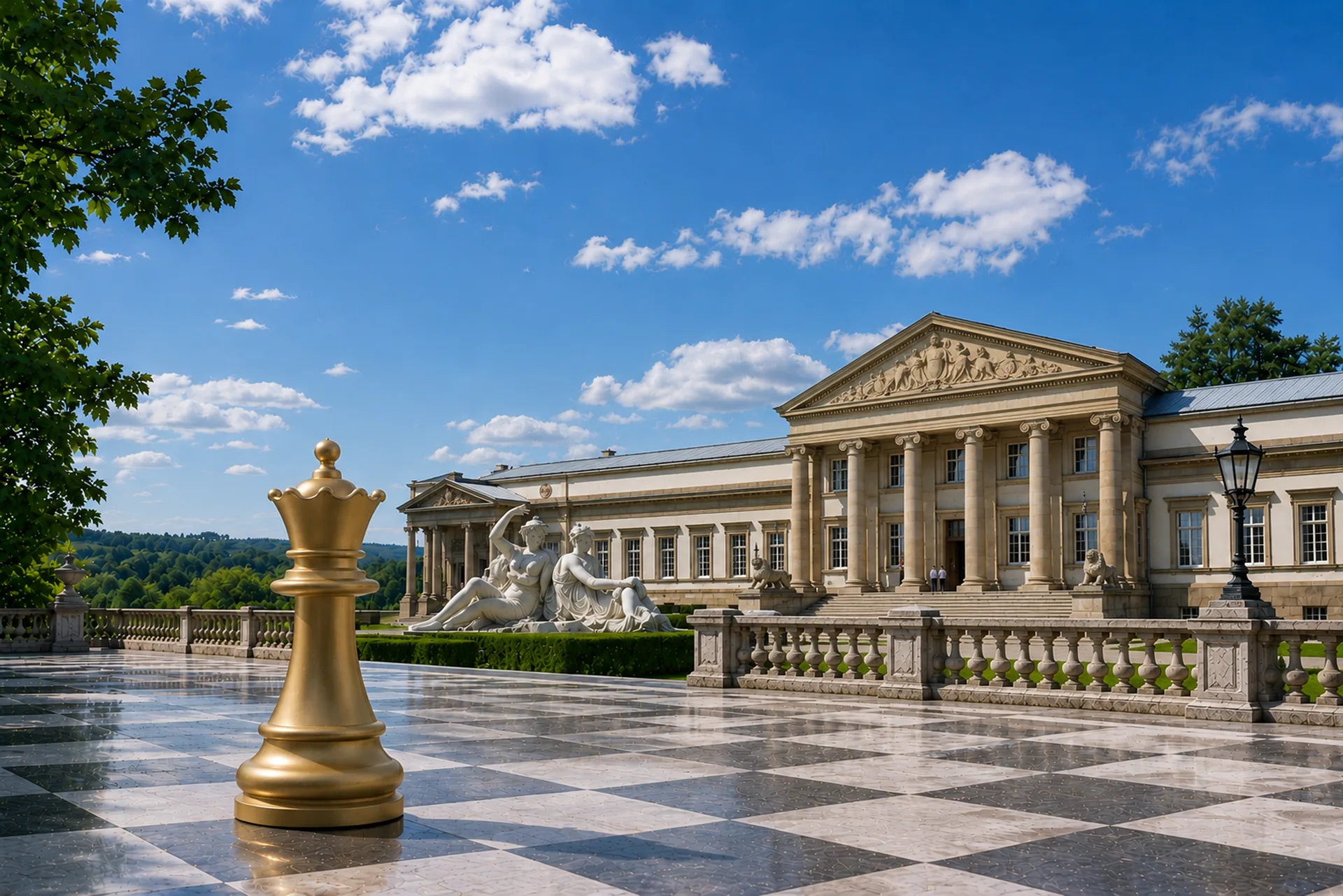
The WR Women's Chess Tour reaches its conclusion November 22-23 at Rosenstein Palace in Stuttgart, and eight players will compete for the inaugural title. The format sounds elegant in theory. Four stops across four continents, each producing one rapid champion and one blitz champion. Clean mathematics, global reach, and on paper, a meritocratic path to the final.
The reality exposes a structural flaw that the organizers need to fix before season two.
Vaishali Rameshbabu won the rapid title in Tokyo back in June and earned her spot. But here's the rub: the blitz and rapid disciplines are treated as completely separate qualifying tracks. A player brilliant in rapid chess—where calculation matters more, where you have time to think—can miss out entirely if she never touches blitz. Conversely, a blitz specialist who struggles in slower time controls also gets her ticket punched.
This isn't how major tours typically work. The Chess.com Grand Chess Tour requires players to compete across multiple formats and accumulates points. The Candidates tournament picks its field through rating. Even lower-level events blend formats to test complete players, not specialists in one tempo.
The WR Tour instead gives you eight finalists whose common denominator is simply "won a single tournament in one specific time format." You're not guaranteed to see the eight strongest women players in the world battle for the title. You're seeing eight category winners who may or may not have much experience playing each other in the opposite time format.
That said, here's what matters now: the field is locked. Stuttgart becomes a sprint tournament where eight women fight for prestige and a prize pool. The tournament structure itself will determine whether we get drama or whether the format's awkwardness becomes obvious on the broadcast. If a world-class rapid player gets dismantled in blitz, viewers will notice. If the eight are genuinely well-matched across tempos, the format vanishes and we just watch great chess.
The tour's organizers—most notably the Women's Chess Association backing this venture—faced a tension: how do you create a truly global circuit without favoring established players based on rating? The answer they chose was decentralized qualifying, which spreads opportunity. It also means the Grand Final might not feature the planet's top eight in women's chess.
That's a problem worth solving. For now, though, we have our eight qualifiers heading to Rosenstein Palace. Let's see what they do with it.