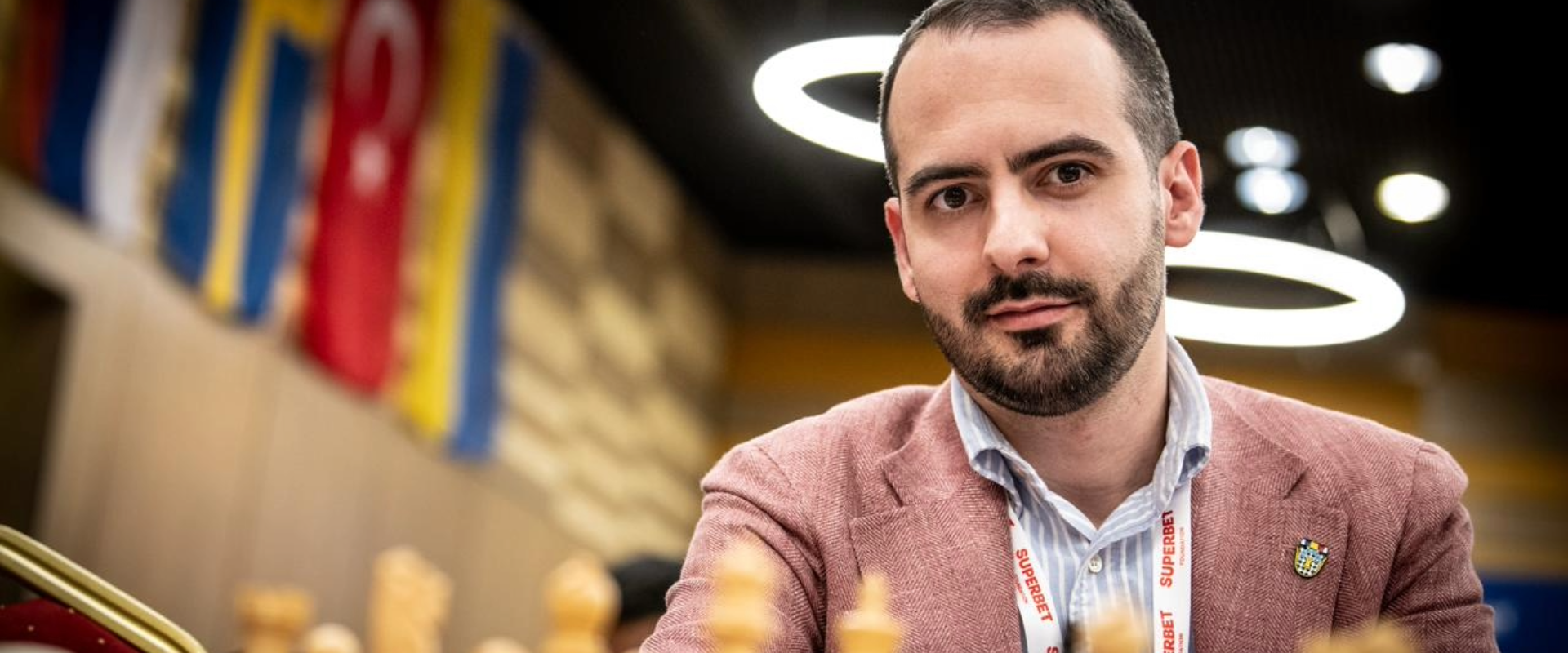
Vlad Ghita's informal head count gives Arkady Dvorkovich's challenger momentum exactly when the incumbent needs it least. One month before the Samarkand vote, Ghita's tally from federation contacts shows the race tightening in ways that threaten Dvorkovich's grip on the presidency.
Ghita brings real credentials to this assessment. As an accredited Olympiad media member and now Press & Communications Secretary for the Romanian Chess Federation, he operates inside FIDE's information ecosystem. His unofficial count carries weight precisely because it comes from someone with access to federation officials across multiple continents. This isn't a random guess. It's an educated read from someone who talks to the people who actually cast votes.
The numbers matter because FIDE presidential elections happen in a closed room. Only federation delegates vote. Media polling doesn't exist. So when Ghita publishes what he's hearing through the grapevine, journalists and federations sit up. It's the only real-time intelligence available.
Turlov's fade is the story here. He entered the race as a challenger with momentum, positioning himself as the reform candidate against Dvorkovich's status quo. But campaigns run on fuel, and fuel costs. Turlov's camp appears to have spent its political capital without converting it into locked delegate votes. One month out, that's a warning sign. Campaigns that peak early often collapse late.
Rosenstein's rise tells a different story. Coming in as a late entrant, the American federation leader has worked federation-to-federation contacts with methodical precision. This is unglamorous work. It's not about big announcements or media blitzes. It's about phone calls to federation presidents in Africa, Asia, and South America. It's about understanding what each region wants from a FIDE president and offering a hearing.
The Dvorkovich camp should worry less about the front-runner advantage and more about the split opposition. When challengers compete for anti-incumbent votes, the incumbent wins. But if consolidation happens, Dvorkovich loses. The next month will determine whether Turlov's support migrates to Rosenstein, stays with Turlov, or fragments further.
Ghita's caveat about the unofficial nature of his count matters. This isn't gospel. Federation officials talk to journalists differently than they commit to votes. A delegate might tell Ghita they're undecided or lightly supporting Candidate X, then vote for Candidate Y under pressure at the actual congress. But the direction of his numbers, the momentum, the trend, those read as credible given his position.
Samarkand's vote happens in four weeks. Ghita just told us the race is open.