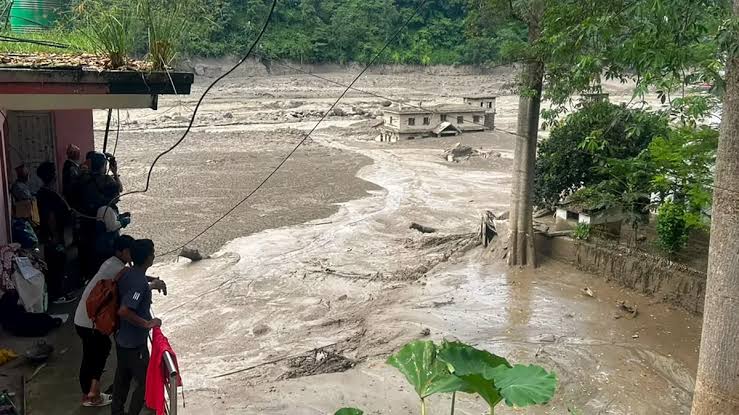
FIDE extends condolences to Nepal after August 26 floods devastated the country, killing residents and displacing families across the nation. Viswanathan Anand, FIDE's interim president, personally delivered the federation's message of solidarity to the Nepal Chess Federation.
The flooding represents a severe humanitarian crisis. Homes destroyed, livelihoods lost, lives taken. For Nepal's chess community, the disaster creates immediate operational chaos. Tournaments postponed. Training facilities damaged. Players scattered or focused on survival rather than preparation.
This moment reveals chess's place in global society. The game matters to those who play it, but it stops mattering the moment survival is at stake. FIDE's response, though symbolic, acknowledges this reality. Anand's statement recognizes that chess communities are part of larger human communities. When disaster strikes, you don't issue a press release and move on. You show up.
Nepal's chess scene has grown steadily over the past decade. Young players emerged from Kathmandu. The federation participated in Chess Olympiads and regional tournaments. Now that infrastructure faces setbacks. Players will need months or years to fully recover. Training programs halt. Junior development suffers. Access to boards and pieces becomes a luxury problem compared to accessing clean water or shelter.
The broader chess world should watch how FIDE follows up on this solidarity statement. Words matter. Action matters more. Actual support could mean directing relief funds specifically to chess clubs, helping rebuild facilities, or organizing online tournaments that generate revenue for affected players.
Nepal sits in a strategic position for Asian chess development. It's a bridge between South Asian players in India and Pakistan and the growing East Asian scene. Losing momentum there weakens the entire region's competitive depth. International federations have learned this lesson before. Recovery takes patience. Two or three years of focused assistance could prevent permanent damage to the country's chess pipeline.
Anand's role as interim FIDE president makes this statement carry extra weight. He's not just offering condolences as a figurehead. He's a former world champion who understands what chess means to dedicated players. He knows the difference between a sympathetic statement and one backed by genuine commitment to rebuilding.
Nepal's chess community will recover. They always do. But the speed of that recovery depends on whether FIDE and other international federations treat this as a one-day news cycle or as a multi-year commitment to helping a nation rebuild its sporting infrastructure. The next few months will tell us which direction this takes.