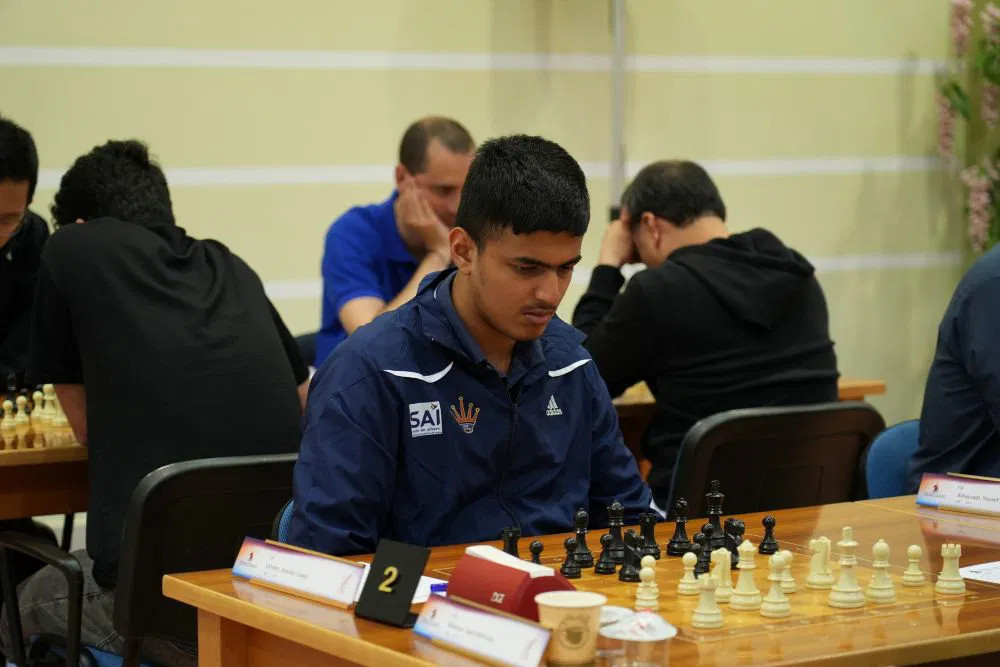
A 15-year-old from Delhi just beat Magnus Carlsen in online chess. Vandan Alankar Sawai had White in round two of Titled Tuesday on August 18. He pressed throughout. Carlsen made a mouse-slip. Vandan capitalized and never let up.
This matters because beating Carlsen means something, even in blitz. Carlsen loses online games. He loses tournament games. But losses cluster around specific types of opponents and specific moments in the calendar. A teenager from India beating him in Titled Tuesday belongs to that rarefied category of results that gets mentioned in the same breath as other upset victories.
Titled Tuesday draws top players because the time controls suit online play and the rating points move quickly. Carlsen treats it as training. He plays multiple rounds. He experiments. But he also expects to win most games against most opponents. When he doesn't, it's worth examining what happened.
The mouse-slip is the hinge of this game. In blitz and bullet, one misclick ends the story. Carlsen plays thousands of online games yearly. Even a 1% error rate produces dozens of losses from pure accident. But Vandan's play before the slip matters too. His position had to be good enough that Carlsen felt compelled to make sharp moves. The best defense against a superior opponent is to avoid giving them what they want. Vandan gave Carlsen enough to think about.
At 15, Vandan sits at an interesting inflection point in Indian chess. India produces titled players constantly now. The pipeline includes GMs, IMs, and FMs across age groups. But a Delhi-based teenager beating Carlsen in a public online tournament signals arrival into the conversation about who's next.
What's the context on Vandan's ratings and tournament record? In online play, a 15-year-old strong enough to beat Carlsen when he blunders is almost certainly already above 2400 on Chess.com or similar platforms. That level represents genuine mastery. Over-the-board ratings might lag, but the skills transfer.
The next thing to watch is his classical play. Online chess and over-the-board chess develop different skills. Vandan might be a 2500+ blitzer and a 2250 classical player, or vice versa. Either way, the Carlsen win advertises him. Coaches notice. Federations notice. Tournament invitations follow. This single result won't make him a GM, but it accelerates the timeline to find out if he becomes one.
Carlsen himself remains unbothered by individual Titled Tuesday losses. His classical record, his rating points, his match results matter to him. One blitz game against a kid from Delhi registers as noise. But the cumulative picture tells a story. More young players beat him in blitz now than a decade ago. The skill level at the 2400+ range has risen. Competition compressed.
Titled Tuesday's structure also matters here. These tournaments aren't a joke. The buy-in costs money. The competition spans GMs, IMs, and strong FMs. It's not a casual online arena where rating inflation runs rampant. A win here counts.
The mouse-slip deflates any argument that Vandan purely outplayed one of chess's greatest competitors. He won because Carlsen made an error. But that's how many games end. Capablanca lost games. Fischer lost games. Kasparov lost games. Sometimes your opponent makes the mistake that costs the game. Vandan recognized it and played without mercy after that. That's what beats strong players.
In a few years, if Vandan becomes a GM and racks up classical wins at high levels, this Titled Tuesday victory becomes a trivia footnote, an early sign of what was coming. If he peaks at IM or doesn't quite reach elite classical strength, the Carlsen win becomes the highlight of his chess resume. Either way, he earned it on August 18. He sat across from a world champion and won.