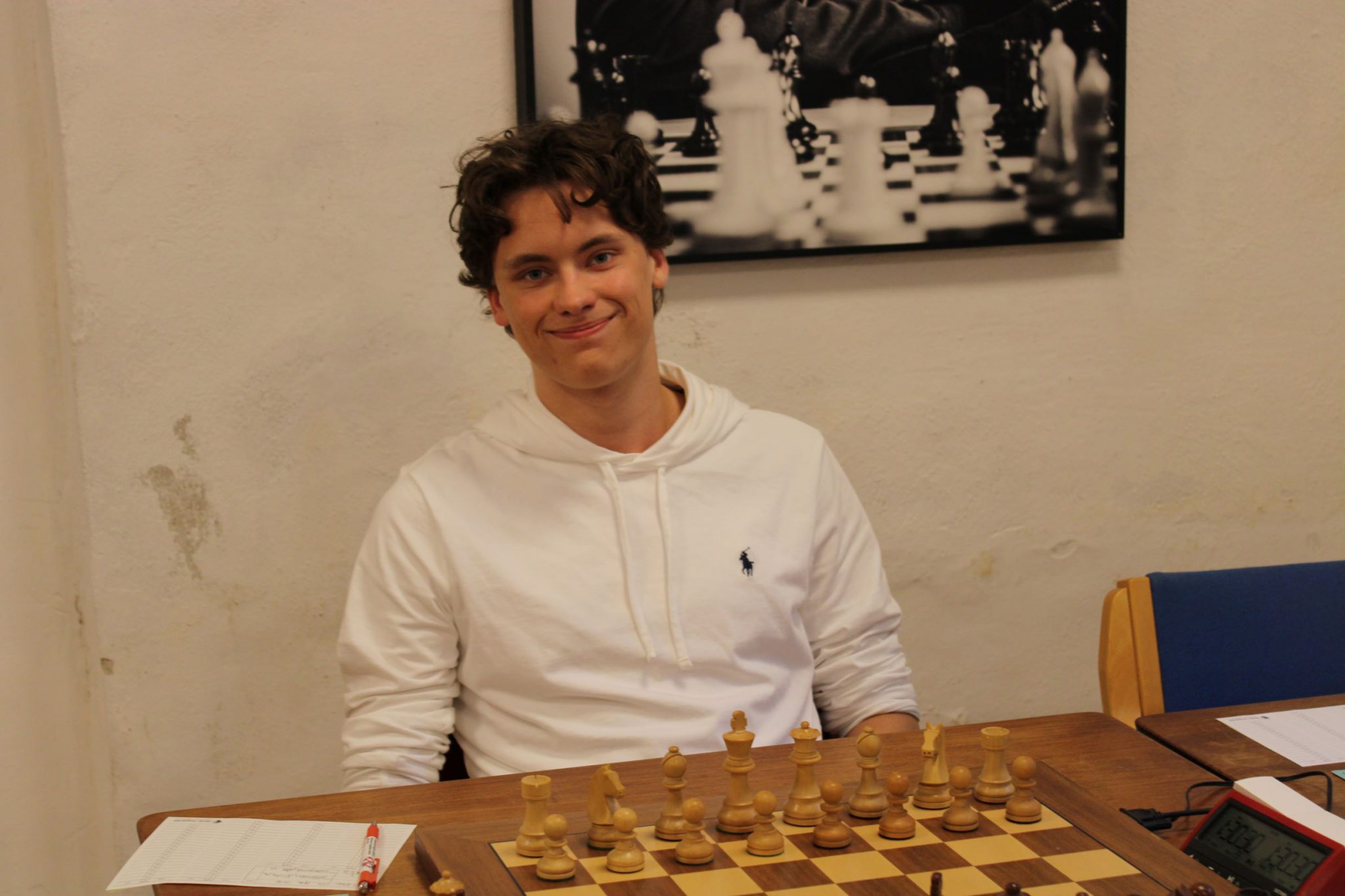
Ostensen Ground Out the Maia Title When It Mattered Most
Nicolai Maxime Ostensen finished 7.5/9 at the Maia Chess Open to win outright. A draw with GM Liam Vrolijk in round nine sealed it. Tim Janzelj pushed hard and finished second at 7 points, but Ostensen's decisive moment came one round earlier.
This wasn't a runaway performance. The Maia leaderboard shuffled constantly from the opening weekend through the final pairings. That volatility matters because it reveals something about the field and about Ostensen's approach to tournaments like this one. The winner wasn't the highest-rated player running away. Ostensen was the steadiest when the pressure peaked.
The real tournament happened in round eight. Ostensen faced his closest challenger, Daniel Romero Pallares, in a direct confrontation. This is exactly the kind of match that separates winners from runners-up at open tournaments. Ostensen won. It was the blow that broke the competition's neck. Janzelj was dangerous and finished only half a point back, but the damage was done before the final round even started.
This is the nature of modern open chess. You can't just accumulate points through steady play anymore. You need moments where you punish your rivals when they sit across the board. Ostensen identified the inflection point, pressed Pallares when the stakes were highest, and converted. By round nine, his draw with Vrolijk was merely a formality. The championship was already his.
What makes this victory worth tracking is how it reflects the current state of open tournament chess. The field appears deep and competitive, with multiple players capable of maintaining strong positions through nine rounds. But concentration of strength matters less than concentration of will. Ostensen had it when it mattered.
The Maia format, whatever its specific structure, clearly produces these compressed races. A full point separated first from second. That's tight competition over a longer format. It also means Ostensen's draw in the final round was strategically sound, not a retreat. With Pallares already beaten and the lead secure, avoiding risk was chess common sense.
For rating purposes and future tournament seeding, Ostensen just made himself somebody to prepare against. He beat the right player at the right moment and didn't panic when Janzelj kept pace. That's the formula that wins opens consistently. Look for his name at stronger events. This result suggests he belongs there.