# The Global Chess League Has Money and Stars. It Just Can't Get Anyone to Watch.
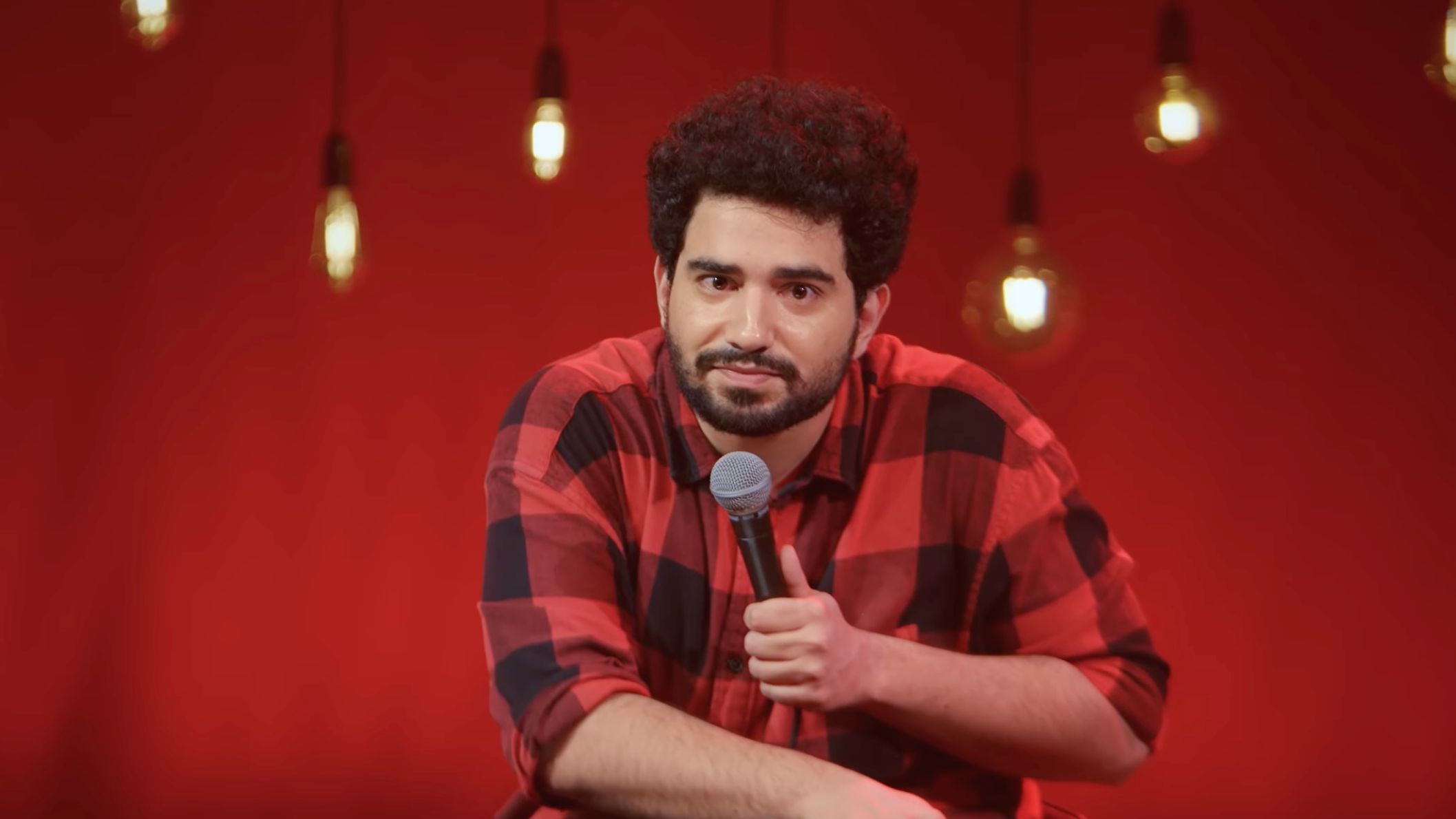
Samay Raina asked the question nobody wanted to ask out loud. Here's a $1 million chess league backed by serious capital, stocked with world-class players, and yet it struggles to draw an audience. The Indian comedian and chess streamer raised this on a recent broadcast with Sagar Shah, and he was pointing at something real: the GCL has a promotion problem, not a product problem.
This matters because it reveals a widening gap between chess ambition and chess execution in the streaming era. The GCL isn't cheap. The infrastructure exists. The players are there. Giri, Praggnanandhaa, Caruana, Vachier-Lagrave. These are names that move the needle. Yet the broadcast viewership numbers remain anemic compared to what a $1 million investment should generate.
Raina's specific gripe centers on visibility, not the league's actual chess. He argues the GCL should be marketed like the sport it claims to be. No quiet launch windows. No hoping the existing chess community notices. Instead, he's calling for genuine promotional machinery: aggressive social media strategy, mainstream sports coverage, celebrity engagement, the kind of push that turns casual observers into regular viewers.
The diagnosis rings true. Chess has a chronic underpromoted problem. Esports leagues spend millions on marketing. League of Legends World Championship gets treated as a legitimate sporting event. The GCL gets treated like an inside-baseball project for chess people who already know where to find it.
Consider the timing problem alone. Chess viewership explodes during specific moments: Carlsen-Giri matches, playoff pressure, knockout drama. But the GCL runs on its own schedule, and unless you're already embedded in the chess streaming ecosystem, you never learn when matches happen. No alerts. No mainstream sports coverage. No reason for a casual fan to stumble across it.
The deeper issue is that chess organizing bodies consistently underestimate the need for presentation. They build the tournament, get the players, secure the funding, then act surprised when viewership doesn't materialize. They treat chess like a private club instead of a sport competing for attention against thousands of other streaming options.
Raina's intervention matters because he straddles two worlds. He's embedded enough in chess to understand its culture. He's also a comedian with a mainstream following, which means he sees how other entertainment properties actually market themselves. His frustration isn't gatekeeping. It's the observation that the GCL is leaving money on the table through sheer neglect.
The league has next season to prove whether it heard the criticism. Bigger promotional push. Cleaner messaging. Actual partnership with mainstream media outlets. Without it, even a million-dollar budget won't fill seats or generate clicks.