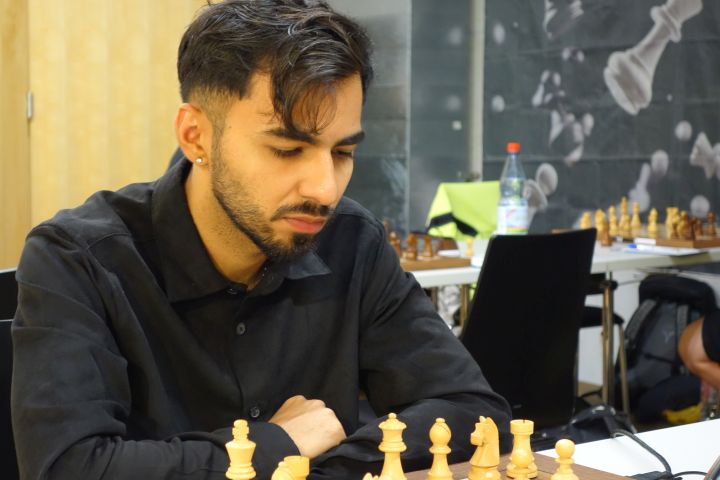
Harshit Raja is a title holder who can be clutch when it counts. The Indian grandmaster defended his Tirol Open crown in Innsbruck this week, but only because the tiebreak gods favored him over FM Tobias Kolb, who matched him point-for-point across eight days of play.
This is the kind of finish that stings for both players. Kolb ran down a two-time defending champion and forced a draw on the scoreboard. In most tournaments, that's enough for co-first place and shared glory. But tiebreak rules decided otherwise. Raja's resistance when the pressure mounted, or Kolb's slightly softer resistance late in the tournament, created the margin of victory that the scoreline did not.
The Tirol Open draws serious players. A 57-player field in a German-speaking alpine region might sound provincial, but the caliber tells a different story. Raja holding this title for a second consecutive year marks him as a consistent performer in European open tournaments, which remain the hunting ground for GMs looking to pad ratings and gain tournament experience outside the elite super-GM circuit.
What stands out is the German contingent's depth. Three players from Germany finished in the top ten of the A Open. Philipp Schlosser, Timur Kocharin, and Cedric Chassard all placed high enough to claim they belong in the conversation about Central European chess strength. Germany has long been a stable producer of strong club and tournament players. This result suggests the pipeline is working.
For Raja, the defense matters for his CV. Title retention is always harder than winning the first time. Players come prepared. The field knows what beat him last year, what his tendencies are, how he responds to pressure. That he managed to win on tiebreaks despite Kolb's even finish speaks to tournament composure more than raw strength. Tiebreak victories are won in the calm moments, in the games where a 0.5-point advantage in head-to-head or Buchholz rating was secured because one player stayed sharper when exhaustion tried to take over.
The eight-day format is exhausting by modern standards. Chess has compressed tournaments into shorter formats in recent years, particularly at the elite level where three or four rounds over a few days is now standard for major events. An eight-day tournament demands stamina and mental endurance in addition to preparation and tactical sharpness. Defending a title under those conditions reinforces the victory.
Innsbruck itself has built a reputation as a chess destination. The city sits in Austria but sits at the intersection of German-speaking chess culture. Austrian, German, and Swiss players converge there, making it a natural hub for regional competition. The Tirol Open has established itself as part of the calendar for players seeking competitive tournaments without the pressure or cost of traveling to major international championships.
Raja's path forward involves managing his rating and tournament schedule. Two consecutive Tirol Open titles position him as a dominant force in this tournament's ecosystem. The next question is whether he targets bigger events. Players of his caliber often use regional victories as springboards to stronger competitions. The rating gains from winning against solid opposition pile up, but they pile up slower than wins against higher-rated players. If Raja wants to push deeper into the 2700+ club, he will need to test himself against the world's elite. The Tirol Open can remain on his schedule as a reliable rating gain, but it cannot be his only focus.
For Kolb, the near-miss stings but also validates his play. Matching a two-time defending champion over eight days of serious chess proves he belongs at that table. FM title or not, his performance earned him a seat among the best players at the tournament. The path to GM likely remains in his future if his trajectory continues. Results like this one keep that path alive.