# Sweden's Cramling Dynasty Takes Center Stage at 2026 Olympiad
Pia Cramling and her daughter Anna Cramling Bellon will play for Sweden's women's team at the 2026 Olympiad. This matters because it represents something rare in elite chess: a genuine generational partnership on the same national squad.
Pia Cramling remains one of the most decorated female players ever to represent Sweden. She has competed at the highest levels of women's chess for decades, accumulating tournament victories and titles that define her legacy. Now, at an age when most players step back entirely, she will sit alongside her daughter.
Anna Cramling Bellon holds the WFM title and has carved a different path than her mother. She has built a substantial following as a chess content creator and streamer, introducing the game to hundreds of thousands online. That profile makes her distinctive in today's chess landscape, where the lines between competitive player and ambassador have blurred considerably. She competes seriously while maintaining her presence in digital chess communities.
What makes this pairing compelling goes beyond novelty. Mother-daughter teams at the Olympiad are not unheard of, but having both players competitive enough to merit selection on a Nordic nation's roster is uncommon. Sweden chose these two because they strengthen the women's team on the board, not merely because of the storyline. Pia Cramling's ratings and experience justify her place. Anna Cramling Bellon earned her selection through legitimate strength.
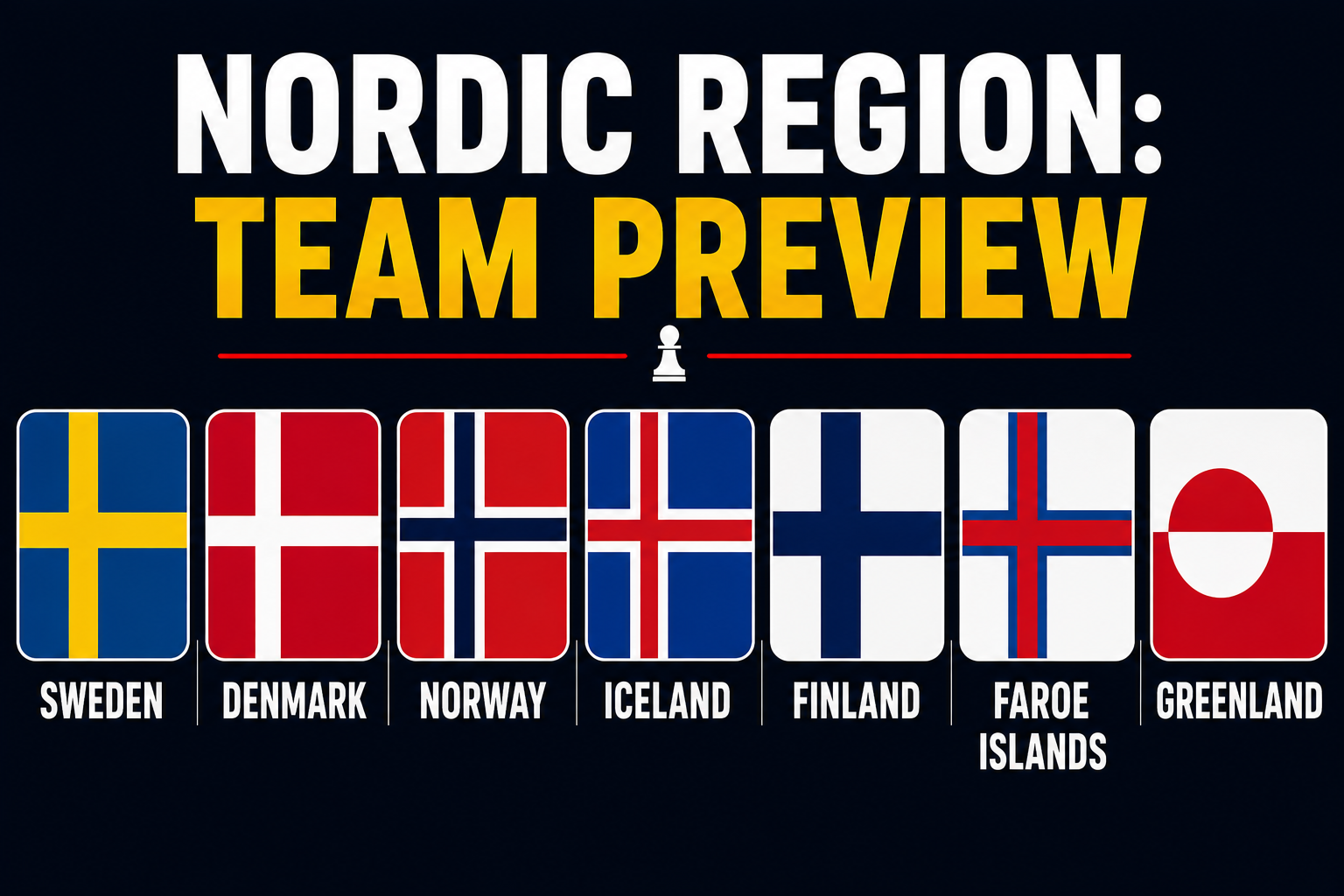
The broader Nordic context matters too. Norway's roster notably excludes Magnus Carlsen for the 2026 event. Whatever the reason, his absence shifts the regional balance. While Norway remains a chess powerhouse, fielding grandmasters who regularly compete at the highest levels, losing Carlsen changes the narrative around the Nordic contribution to the Olympiad.
Sweden's women's team now carries the region's most compelling human-interest narrative heading into the event. The Cramling story transcends chess. It speaks to continuity, to family commitment to the game, and to how modern chess accommodates different forms of participation and excellence simultaneously.
When the women's competition begins in 2026, the Cramlings will face expectations tied to both their individual strength and their collective identity. Pia Cramling has Olympic experience and proven mettle. Anna Cramling Bellon brings energy and a different kind of visibility to the team. Whether they play on the same board or separately, they represent Swedish women's chess at a moment when the country is exporting chess talent and culture more visibly than at any recent point.
The Nordic region's Olympiad story will feature strong players and strong personalities. But it will begin with a mother and daughter sitting in the same tournament hall, representing the same flag.