# Third Leaked Recording Escalates FIDE Presidential Race Into Genuine Scandal
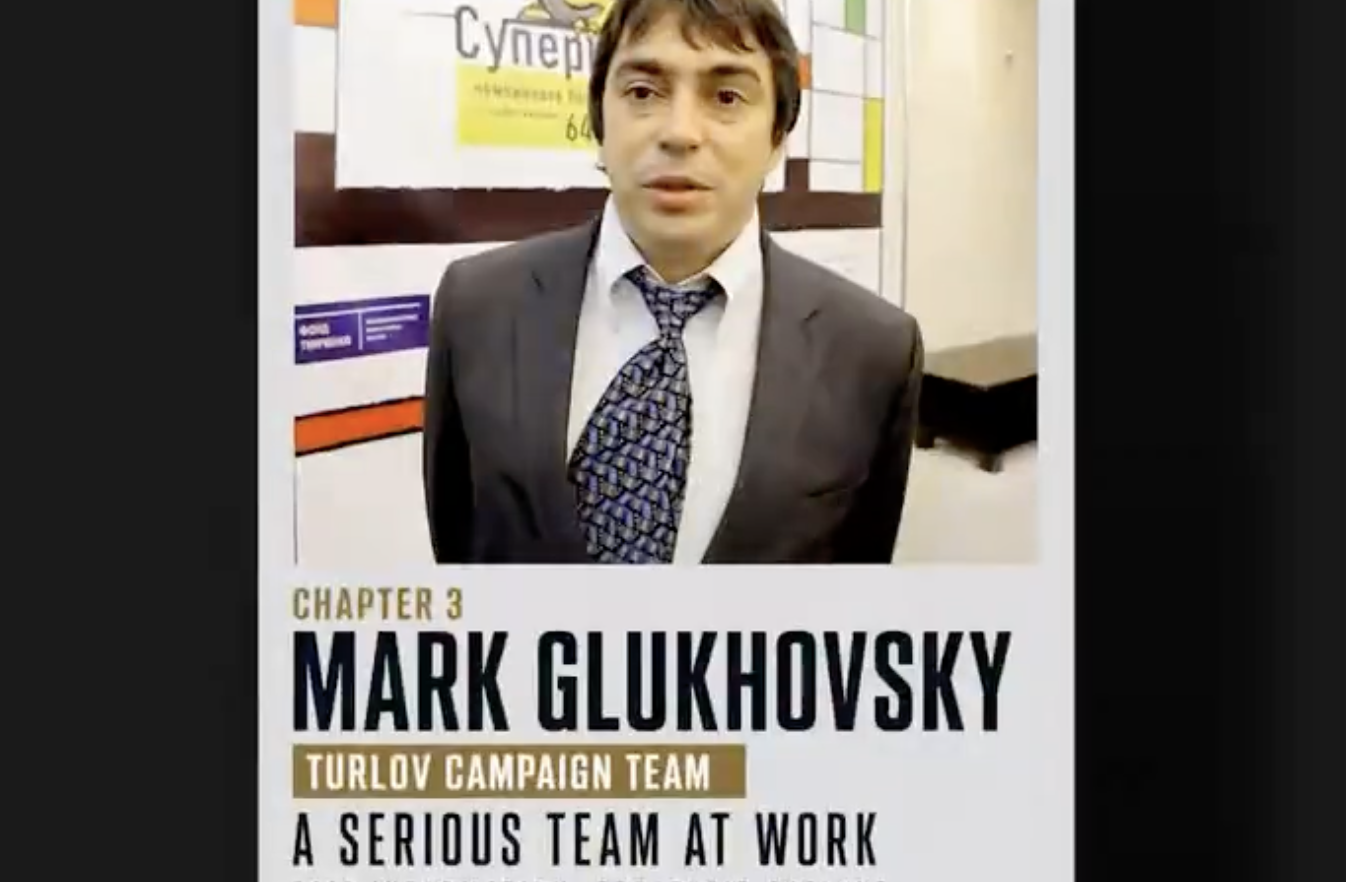
Mark Glukhovsky's bid to lead FIDE has imploded. A third leaked audio recording surfaced this week showing the candidate discussing payments for opposition research against rival Wadim Rosenstein, while simultaneously claiming involvement in African Chess Confederation elections.
The escalation matters because FIDE's credibility hangs on the integrity of its leadership selection. A presidential race this toxic signals systemic rot at the federation level. Elections determine which tournaments get sanctioned, how rating systems function, and where hundreds of millions in sponsorship dollars flow. If the next FIDE president bought his position through financial manipulation and electoral interference, every decision he makes carries that stain.
The leaked material reveals something darker than typical political mud-slinging. Glukhovsky appears on the recording discussing not just opposition research but strategic timing for releasing damaging information about Rosenstein. This suggests coordinated campaign infrastructure, not isolated mistakes. The involvement in African elections adds another layer. Africa's chess federations wield outsized influence in FIDE voting. If Glukhovsky bankrolled interference there, he wasn't just running a campaign. He was building a political machine.
Two earlier leaks already damaged Glukhovsky's standing. The third recording feels like the one that breaks him. Each new clip reveals progressively more explicit language about paying for information and manipulating electoral processes. Audio recordings carry visceral weight that written denials cannot neutralize. Voters hear Glukhovsky's own voice making these arrangements.
Rosenstein's campaign faces its own problems, though nothing yet approaching Glukhovsky's scale. The Glukhovsky leaks dominate the narrative now, and dominance in a negative direction matters. FIDE delegates voting in the coming weeks will remember these recordings when they enter the voting booth. Some federation presidents already called for Glukhovsky to withdraw.
The next 72 hours determine whether Glukhovsky's candidacy survives. A fourth leak would end him. Even without one, his path to victory narrowed to almost nothing. Rosenstein gains delegates by default simply by remaining the less-compromised alternative. That's not endorsement. That's merely the math of competitive destruction.
FIDE's reputation for competence and fairness was already fragile. These leaks shattered what remained. The federation's next president inherits an organization with badly damaged legitimacy among both players and federations. Whoever wins this race starts their tenure fighting skepticism about how they got there.