# The World Chess Championship Never Stays Put
The World Chess Championship format has shifted more times than most players shift their king. That matters because how we crown a champion shapes the entire sport.
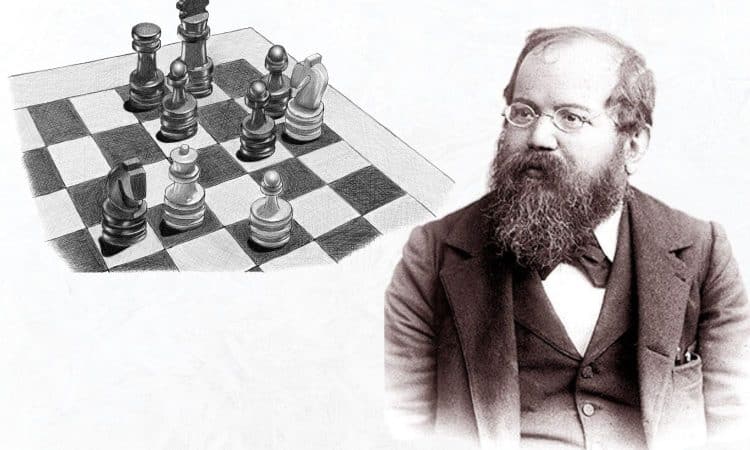
Wilhelm Steinitz and Johannes Zukertort played the first official championship match in 1886. A challenger faced a sitting champion. Winner kept the crown. That simple structure held for decades, but it created problems nobody talks about anymore. A dominant champion could sit at home. Years would pass without a title defense. Money controlled who got chances. Politics mattered more than rating.
The classical match format survived through Capablanca, Alekhine, Botvinnik, Fischer, and Karpov. Anand won his way into the tradition in 2007. But the format kept breaking. If a champion refused a challenger, the federation faced chaos. If a challenger lacked funds, the match died. In 1975, Fischer simply walked away rather than defend against Karpov, and the title went to someone who never played for it.
By the 1980s, the system began to crack visibly. FIDE introduced alternatives. Karpov and Kasparov battled in matches, but FIDE crowned its own champions through tournaments. Two world champions existed at once. The prestige drained away. Nobody knew which crown actually mattered.
The current hybrid system emerged slowly. Tournaments determine who challenges the champion. The two finalists play a match. This gives the title a clearer path. Candidates Tournaments exist now. Rating lists matter. The World Chess Federation controls the narrative. When Carlsen held the title, the format worked. When Ding Liren won in 2023 against Nepo, the tournament qualification system proved itself.
But even this version keeps evolving. The 2024 Candidates Tournament format shifted again. Fewer players, different scoring. Every change reflects pressure from sponsors, broadcasters, and federations chasing eyeballs and money.
What matters is this: format determines destiny. A challenger-only format favors veteran champions who pick their opponents. A pure tournament format rewards consistency but can crown fluky winners. A hybrid system requires players to win twice. Each creates different incentives. Each produces different world champions.
Fischer might have conquered a tournament format. Carlsen might have struggled in pure matches against fresh challengers. Kasparov thrived in the match wars of the 1980s. Change the system, change the history.
The format will shift again. Sponsors want faster events. Audiences want drama. Players want fairness. These demands pull in different directions. The World Chess Championship format will keep evolving because no single system pleases everyone, and the game itself keeps growing too fast for yesterday's rules.