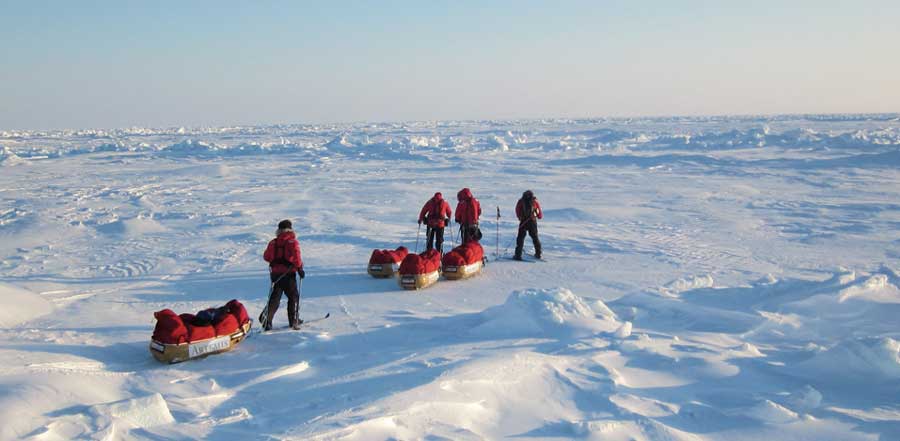
Antarctica finally has a FIDE-rated chess tournament. Six players, one from each inhabited continent, played rapid chess at the Geographic South Pole last week, creating the first officially sanctioned tournament ever held on the frozen continent.
Nigel Short led the field. The English grandmaster, who runs FIDE's chess development program, traveled to one of Earth's most hostile environments to play the sport he administers globally. Joining Short were Aung Kyaw Moe of Asia, Damaris Abarca González of South America, Jesse February of Africa, Shaun Press of Oceania, and Tris-Ann Richards of North America. Rapid time control meant players had minutes per move, not hours, which accelerates the action and suits a tournament held where every logistical element fights against you.
Why this matters goes beyond stunt chess. FIDE ratings validate results. The governing body doesn't sanction tournaments in random places. Getting approval to run a rated event at the South Pole required clearing bureaucratic and technical hurdles. Internet connectivity alone presents a nightmare at -60 degrees Celsius. Every round broadcast live means the organizers solved that problem. They brought tournament infrastructure to one of the last places on Earth where chess existed only in imagination.
The expedition reveals something about modern chess expansion. The game has exhausted traditional venues. Every major city hosts tournaments. Olympiads rotate through continents on schedule. Corporate sponsors chase novelty. Antarctica represents the ultimate novelty, but it also represents completeness. If you can play a rated game at the South Pole, you can play anywhere. The message: chess belongs everywhere.
Short's involvement adds weight. He's not some retired player seeking adventure. As Development Director, his participation signals FIDE's commitment to spreading the game into unexplored territory. Whether that's literal geography or expanding the player base in underdeveloped chess nations, the organization sees chess as a global phenomenon with no limits.
The practical impact remains modest. Six players in rapid don't move rating lists. No young prodigy emerged from Antarctic ice. But tournaments rarely need to matter competitively to matter culturally. When media outlets across continents cover a chess event at the South Pole, chess becomes a story in places that normally ignore it. That exposure converts into new players, club memberships, and interest.
Antarctica's rating-tournament status now sits alongside every other continent. The planet is no longer divided into places where FIDE sanctions chess and places where it doesn't. The Polar Chess Expedition closed that gap permanently. Whatever happens next in organized chess, it happens everywhere.