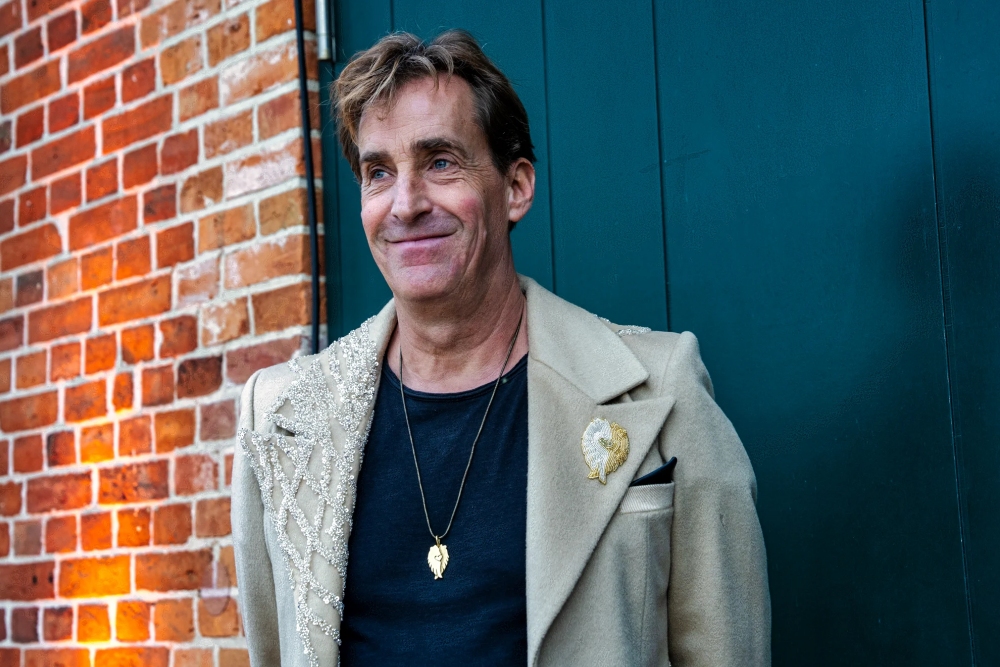
Buettner's campaign for FIDE president took a hard hit Wednesday night, and not just because Wadim Rosenstein walked out of the debate midway through.
The real damage came from what stayed on stage. Buettner and rival Arkady Dvorkovich spent 90 minutes locked in a narrow debate about whether FIDE's president should personally finance the organization. It's a legitimate philosophical question. It's also completely beside the point. The chess world doesn't care about Buettner's funding model. They care whether he knows how to run a federation.
And after Wednesday, that doubt only deepened.
Buettner entered this race as an outsider. That's appealing to some voters tired of establishment chess politics. But outsider status expires the moment you're asked to manage a global organization with headquarters in Athens, partnerships with dozens of national federations, and a tournament calendar spanning continents. Buettner didn't demonstrate command of those details. He didn't layout a concrete vision for FIDE's internal operations, its relationship with national federations, or how he'd handle the federation's chronic financial instability that has plagued it for years.
Instead, he and Dvorkovich circled around abstract principles for most of the 90 minutes. That's not debate. That's avoidance.
Rosenstein's early exit actually became a blessing for Buettner in one sense. It removed a third voice that might have pressed him harder on exactly these questions. But Dvorkovich, the experienced bureaucrat, clearly sensed the opening. He pushed back whenever Buettner made sweeping claims, forcing him into uncomfortable clarifications that only raised more questions about his grasp of the federation's actual operations.
The chess community watches FIDE elections with close attention because the federation president directly shapes the competitive landscape. Tournament scheduling, rating system changes, elite event organization, rules enforcement. These decisions flow from the top. Buettner hasn't yet convinced experienced observers that he's thought deeply about any of them.
His team will argue that this debate format favored Dvorkovich's experience over Buettner's fresh perspective. That's partly true. But perspective only matters if it rests on knowledge. After Wednesday, Buettner needs to stop debating philosophy and start proving he understands how FIDE actually works. The next debate can't afford another 90 minutes of abstract sparring.
If it does, voters will draw their own conclusions about whether this candidacy is serious at all.