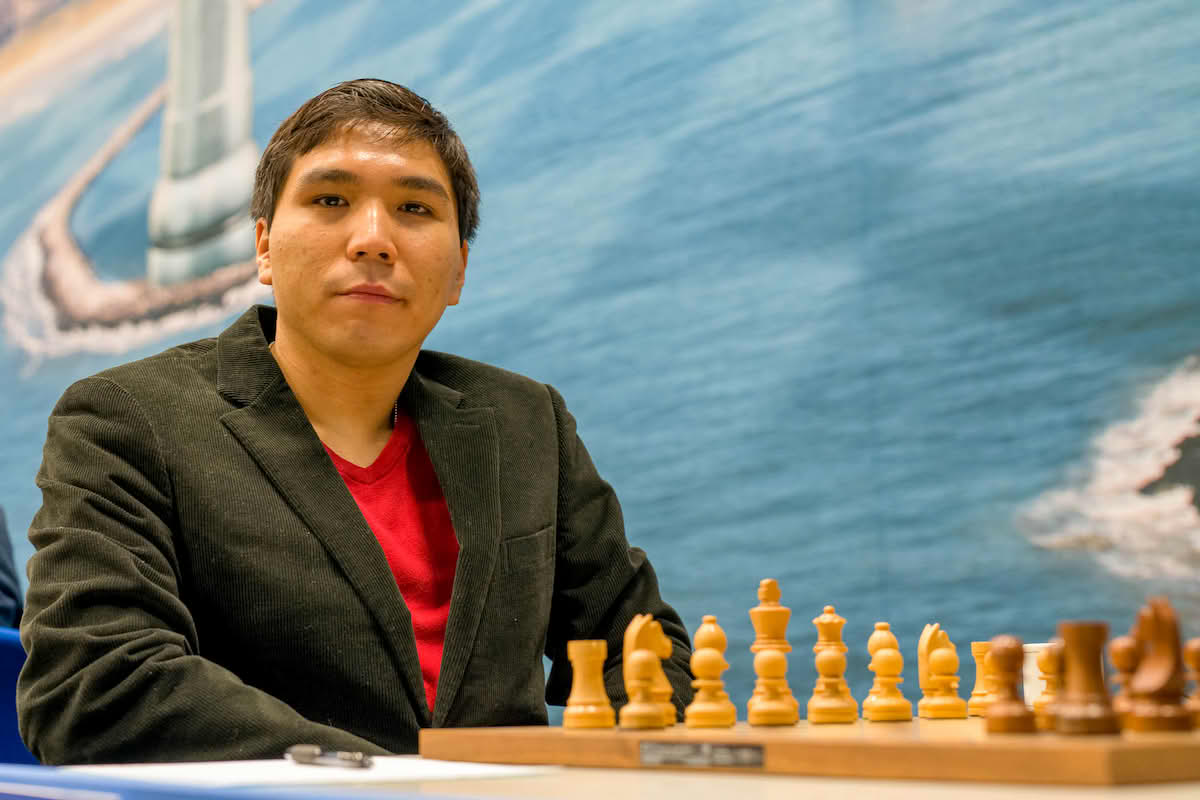
Wesley So just dropped a new course on 1.e4 e5 responses, and this matters more than you might think.
The American grandmaster is teaching players how to meet White's most popular opening with the Classical Defense. That's the 1...e5 response, not some trendy sideline. So wants learners to understand positional play and solid structures rather than memorizing variations to move 25.
This is So's particular gift as a teacher. He thrives in balanced positions where understanding matters more than raw calculation. His entire career reflects this philosophy. He ground out draws against Caruana and Giri by knowing exactly when to press and when to consolidate. That approach works, and now he is systematizing it for students.
The course comes as a first installment, which suggests So plans deeper coverage later. He may add material on the Open Game, perhaps the Berlin Defense, or other critical lines. This is smart positioning for a content creator. Part 1 establishes the foundation. Later parts can address specific Black strategies or related defensive setups.
For the chess education market, this fills a real gap. Too many 1.e4 e5 courses lean heavily on sharp tactical play or outdated theory. Modern players need something different. The game has moved toward dynamic balance rather than forcing sequences. So's approach aligns with how elite players actually handle these positions today.
The timing matters too. With engines now dominating preparation at the top level, elite players and coaches increasingly emphasize understanding over memorization. A Wesley So course taps into that shift. Players watch how he navigates positions, what he avoids, where he takes calculated risks. That pedagogical model works because So explains his thinking, not just the moves.
For serious players working toward master strength, this content addresses a real weakness. Many clubs and online students play 1...e5 reflexively without true comprehension of the resulting structures. They memorize an opening and hope to survive. So teaches why certain moves work and others fail.
The course likely appeals to two audiences. First, titled players prepping specific opponents who favor 1.e4. Second, ambitious young players building reliable repertoires for the long term. Neither group needs flashy computer lines. Both need conviction and understanding.
So has time now to develop education content. His tournament schedule remains packed, but the online course market offers flexibility. This release positions him alongside other super-GMs who have built successful educational brands. Kasparov, Caruana, and Giri all share deep strategic content. So joins that tier with material aimed at serious learners willing to pay for genuine expertise.
The first part is live. Watch for Part 2.