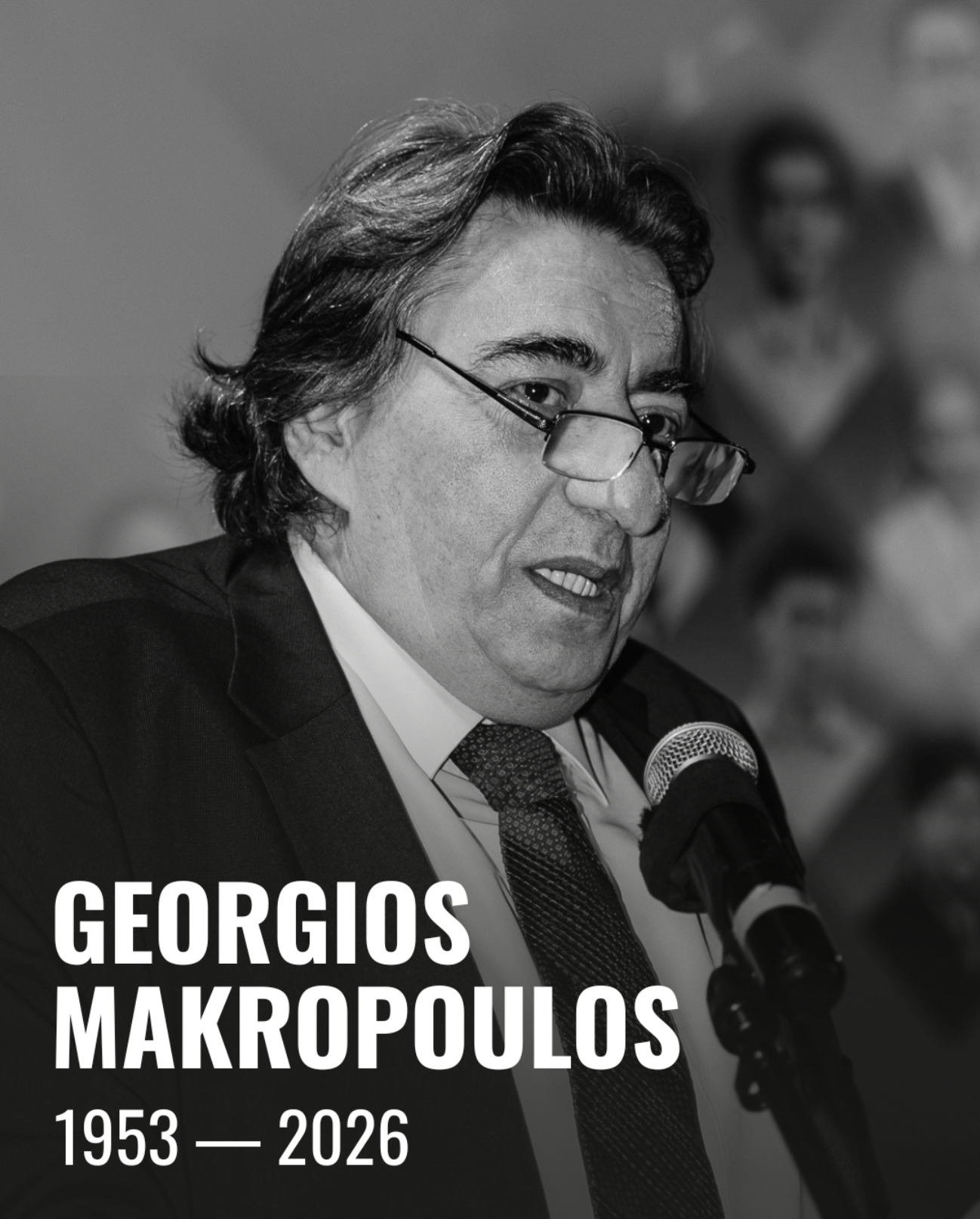
Georgios Makropoulos, who shaped international chess governance for three decades, has died at 72. FIDE announced his passing without specifying a date or cause.
Makropoulos was Greece's most dominant player of the 1970s and 1980s. He won the Greek Championship seven times between 1971 and 1985, hit a peak rating of 2485, earned the International Master title in 1979, and represented his country at three Chess Olympiads. He was a legitimate master-level competitor. But his playing career was prologue.
After stepping away from serious competitive chess, Makropoulos became one of the chess world's most powerful administrators. He served as FIDE General Secretary for 32 years, a tenure that spanned the tenures of multiple FIDE presidents and weathered the sport's most turbulent internal politics. In positions of that length and visibility, you either leave the game stronger or you damage it. Makropoulos is remembered by FIDE as influential and consequential.
The specifics of his administrative work matter less than the simple fact of his staying power. Chess administration rewards people who understand the game's culture, its stakeholders, and its endless factional disputes. Makropoulos lasted because he navigated those waters with enough competence that presidents came and went while he remained. That kind of institutional knowledge is difficult to replace.
His era overlapped with chess's transformation from a Cold War cultural battleground into a globalized sport with online platforms, corporate sponsors, and emerging powerhouses in India, China, and the Middle East. FIDE's handling of world championship matches, rating systems, rule changes, and federation governance all fell within his portfolio. The organization emerged from that period messier than chess fans might wish, but it did emerge intact.
The chess world loses someone who belonged to an older generation of administrators. The Makropouloses were figures who built chess governance through presence and relationships, not through media profiles or social media strategy. That model is fading. Future FIDE secretaries will operate differently, with different tools and different pressures.
Makropoulos leaves behind a 32-year institutional record that future historians of chess administration will parse in detail. For now, FIDE's public statement captures the professional consensus. He was influential over four decades. For Greek chess, he was also the player who showed the world what the country could produce.