# ChessBase Finally Breaks into the Mac Ecosystem
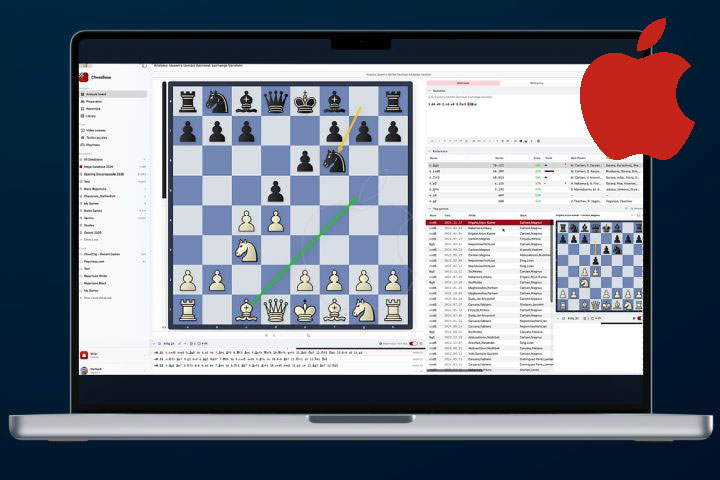
ChessBase, the chess database software that has dominated preparation and analysis for over three decades, is coming to Mac this November. This is not a port or a wrapper. The company built it from scratch for Apple's operating system, designed for modern hardware and workflows.
This matters because ChessBase has been Windows-only since 1987. For Mac users who take chess seriously, this has meant either running Windows through virtualization, using a second machine, or relying on inferior alternatives. That exclusion ends in November 2026.
The scale of ChessBase's reach justifies the investment in a native Mac version. Magnus Carlsen uses it. So does every other elite player. Club players rely on it for opening preparation and endgame study. The database contains millions of games, annotation tools that shape how the game is analyzed, and the training functions that serious amateurs depend on. Until now, Mac users with professional ambitions had to make an awkward choice: switch to Windows or fall behind on preparation.
Why now? Apple Silicon. The M-series chips fundamentally changed the economics of Mac development. Performance no longer required apologizing for or accepting compromises. The company's decision to rebuild from the ground up, rather than adapt the Windows codebase, signals they are treating this as a first-class product, not an afterthought.
The timing also reflects market reality. Mac adoption has grown substantially in creative and knowledge-work fields. Chess has followed that trend. A significant portion of younger competitive players now use MacBooks. Ignoring that audience became indefensible.
What changes operationally? Mac users who registered before the November 2026 launch will get priority access and likely early-bird pricing benefits. For the broader chess community, this removes a technical barrier to serious study. It levels the preparation field. A 2400-rated player working on their repertoire on a MacBook Pro no longer operates at a disadvantage to their Windows counterpart.
The software ecosystem matters in chess more than casual fans realize. When all elite players use the same tools, they all speak the same language of preparation. They organize openings the same way. They evaluate positions through databases built on identical principles. A native Mac version does not change chess itself, but it changes who can participate fully in how modern chess preparation works.
There is also a psychology to this. The Mac release acknowledges that serious chess players work on different machines. It respects the platform preferences of users without asking them to compromise on the tool that shapes their analysis. That respect translates to retention and trust.
The next question is feature parity. Will the Mac version launch with all the tools of the current Windows release, or will some functions roll out over time? The company has not detailed this. Announcing a November 2026 launch with "modern" and "fast access" language suggests they are confident in thoroughness, but chess players notoriously want everything immediately. Any feature gaps will generate complaints.
Registration is already open. This is standard practice for major software releases: build an email list, understand demand, prepare infrastructure for launch day. It also creates urgency. Players who care about having the tool from day one need to sign up now.
The chess database software market has competitors. Lichess offers free analysis. Chess.com has integrated tools. Competitors to ChessBase exist. But none have ChessBase's depth, annotation quality, or the decades of accumulated user sophistication around how to organize and weaponize information in the database. A native Mac version extends that dominance.
November 2026 is months away. For Mac users who have delayed purchasing ChessBase or worked around its absence, this is the moment to register. The question is no longer whether the tool exists for your platform. It does. The question becomes whether you will be ready when it launches.