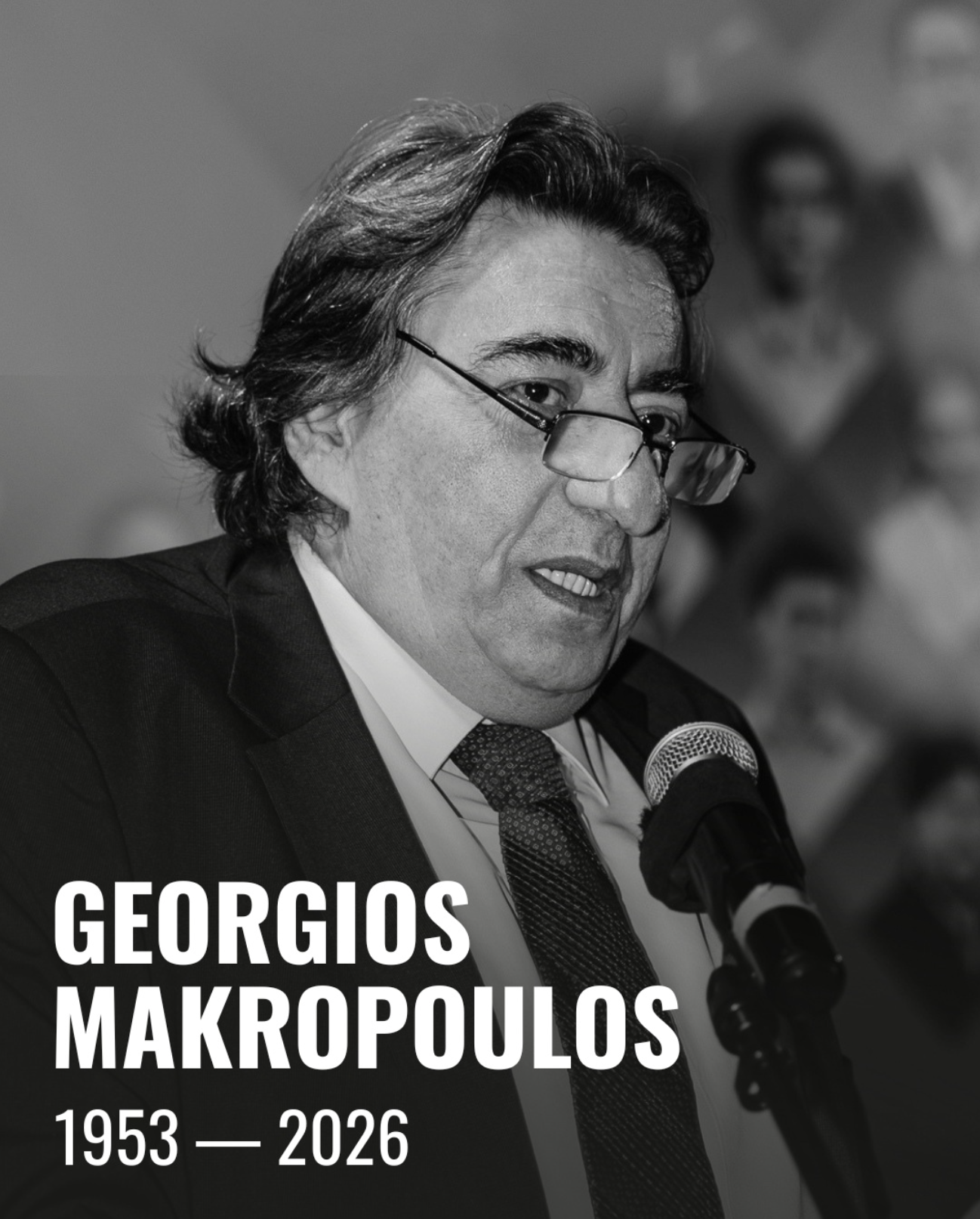
The Chess Olympiad in Samarkand paused at the start of Round 4 to honor Georgios Makropoulos, the Greek chess administrator who died this week at 72. His death marks the end of a four-decade presence at the highest levels of FIDE leadership.
Makropoulos was no ivory tower bureaucrat. He came through the ranks as a genuine player. Seven Greek Championships between 1971 and 1985 proved he could compete. He earned the International Master title in 1979, represented Greece at three Olympiads, and understood chess from the inside out. That playing foundation gave him credibility when he moved into administration.
His real influence came later. Makropoulos became FIDE Vice President in 1986, then General Secretary in 1990. He spent the next thirty-plus years navigating the organization through one crisis after another. FIDE under his watch survived the Kasparov split, absorbed the classical/rapid ratings consolidation, expanded the Olympiad itself, and managed the bizarre politics of having multiple world champions competing simultaneously at different federation affiliations.
The minute of silence at Samarkand was fitting. The Olympiad itself is FIDE's flagship event, and Makropoulos shaped its modern form. He saw the tournament grow from a relatively insular competition for wealthy federations into the sprawling, inclusive spectacle it is today. More countries send teams. More players compete. The logistics are messier but the reach is infinitely broader.
Administrators rarely get tributes on the board. Players get remembered for their games. Makropoulos gets remembered for the structures he built that let millions play. He negotiated host cities, enforced rating standards, mediated federation disputes, and kept the machinery running when FIDE could have simply collapsed under the weight of its own dysfunction. That's unglamorous work. It's also foundational.
The chess world loses continuity when someone who held that many threads for that long steps away. Makropoulos was one of the last figures who remembered FIDE before Fischer, before Kramnik's "unified" title claims, before online chess warped everything. He'd seen the organization nearly destroy itself and watched it rebuild. He knew where the bodies were buried because he'd helped move some of them.
Round 4 continued after the tribute. The games moved forward. That's what Makropoulos would have wanted. But the tournament itself, in Samarkand and wherever FIDE holds it next, stands on a foundation he spent decades constructing. His name belongs in the history of chess administration, not just as a name on a plaque, but as the person who kept the Olympiad alive when it mattered most.