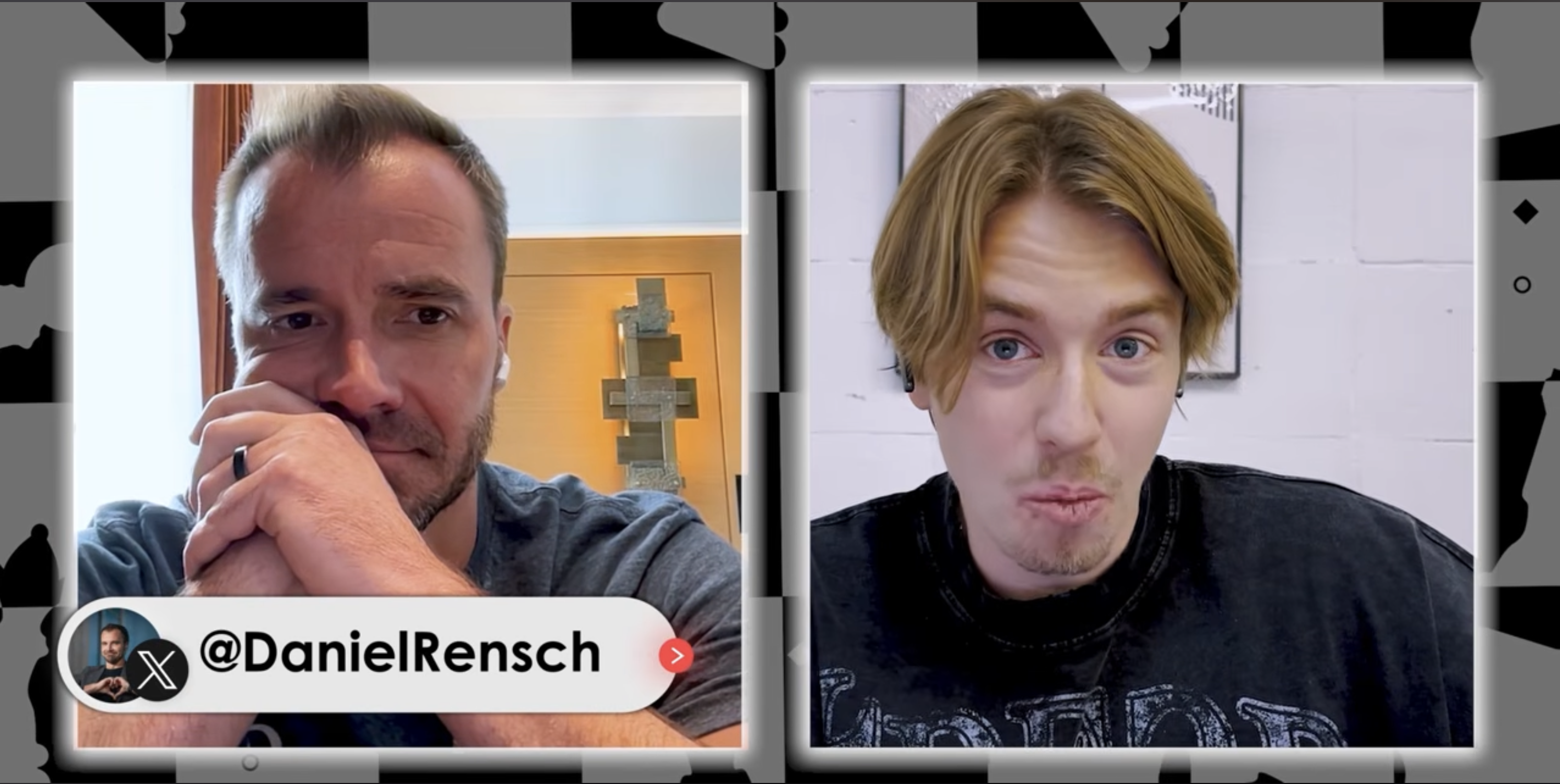
Daniel Rensch owns the controversy that made Hans Niemann famous. And he's accepted that role, even if it means taking the heat.
In a recent interview, the Chess.com co-founder and Chief Chess Officer addressed the elephant in the room: the 2022 cheating scandal that fractured the chess world. Rensch didn't dodge. He acknowledged that large segments of the community view him as the villain in this story. That's the cost of being the platform executive who helped amplify doubts about Niemann's rapid rise and his play during online games on Chess.com.
Here's what matters about his framing. Rensch isn't apologizing. He's recontextualizing. He suggested that the narrative has calcified, that people formed their opinions years ago and aren't moving. The controversy now exists independent of new facts. It has its own momentum.
The most revealing moment came when Rensch addressed Niemann's Endgame.AI business venture with deliberate self-awareness. He made a joke about playing the villain role so effectively that it may actually be helping Niemann's commercial interests. There's real insight buried in that quip. Rensch understands that the scandal created Niemann's platform. Without the controversy, Endgame.AI launches into obscurity. Instead, every press release about the company arrives with the gravitational pull of the biggest drama chess has seen in decades.
This is the uncomfortable truth neither side wants to state plainly: Rensch and Niemann need each other now. The villain needs the accused. The accused needs the villain. The story stops existing if either party moves on.
What changes next depends on whether new evidence emerges. Chess.com has never released the data they used to ban Niemann from their platform in 2022. The company maintains he showed significant rating inflation and suspicious play patterns during rapid games. Niemann has consistently denied the accusations and hasn't faced formal charges of over-the-board cheating. The Candidates Tournament in 2024 proved his strength was real. His recent matches and tournament results have silenced some critics.
But Rensch's willingness to embrace the villain label signals something: Chess.com isn't backing down. They believe their analysis was sound. They accept that Niemann's commercial success and continued elite play haven't vindicated him in their eyes.
For players tracking the implications, this matters. Rensch's candor suggests this rift won't close through apologies or settlements. The chess establishment has picked sides. Niemann continues building his business and proving himself at the board. The controversy provides oxygen to both.