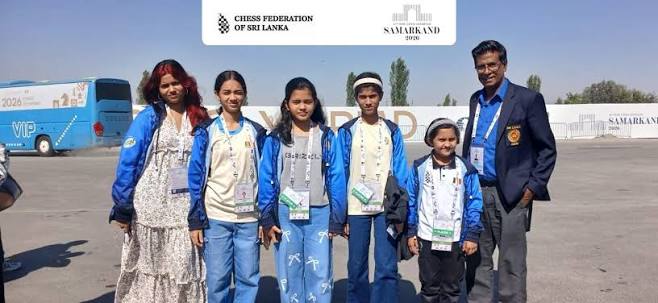
Sri Lanka's women's team just pulled off something the chess world doesn't notice often enough. At the 44th Chess Olympiad in Samarkand, they are on pace to win a medal. Not against China. Not against India. Against everyone in their rating bracket.
After 10 rounds, Sri Lanka sits 18th in the overall women's standings with a 7-3 record and 14 match points. That places them comfortably first in Group C, FIDE's lowest rating category at this Olympiad. This matters because FIDE doesn't award medals based on raw standings alone. Instead, the federation splits the 190-plus team women's field into five rating groups before Round 3. Each group crowns its own champion. Win your bracket, you get a medal.
The difference between competing in the main field and competing for a Group C medal is the difference between climbing Everest and climbing a smaller mountain. Both require skill and preparation. Only one is realistic for most teams.
This is exactly how the Olympiad structure works. It opens the competition beyond the elite 20 or 30 nations that can field Elos above 2400 across the board. A team from Sri Lanka, playing opponents with similar average ratings, has a genuine shot at standing on the podium. They earn a medal. They go home with proof they are the best in their category.
Sri Lanka's path here reflects years of quiet development. The team has built depth. Players like Sachini Weerasooriya and others have put in the work to reach this moment. The 7-3 record isn't lucky. It's the result of consistent preparation and execution.
What happens next determines everything. Sri Lanka still has five rounds remaining. Their lead in Group C is comfortable but not insurmountable. A collapse would be embarrassing. A finish is inevitable. The real question is how wide the final margin will be.
This is the beauty of the Olympiad bracket system. It creates legitimate heroes outside the traditional power centers. Sri Lanka won't make headlines the way a Chinese upset or an American breakthrough would. They will earn a medal anyway. They will deserve it. That's worth noticing.
The final rounds in Samarkand will tell whether this story ends with a podium finish or a near miss. Either way, Sri Lanka has already proven something: competitive chess exists everywhere, and the Olympiad finally gives everyone a fair stage to show it.