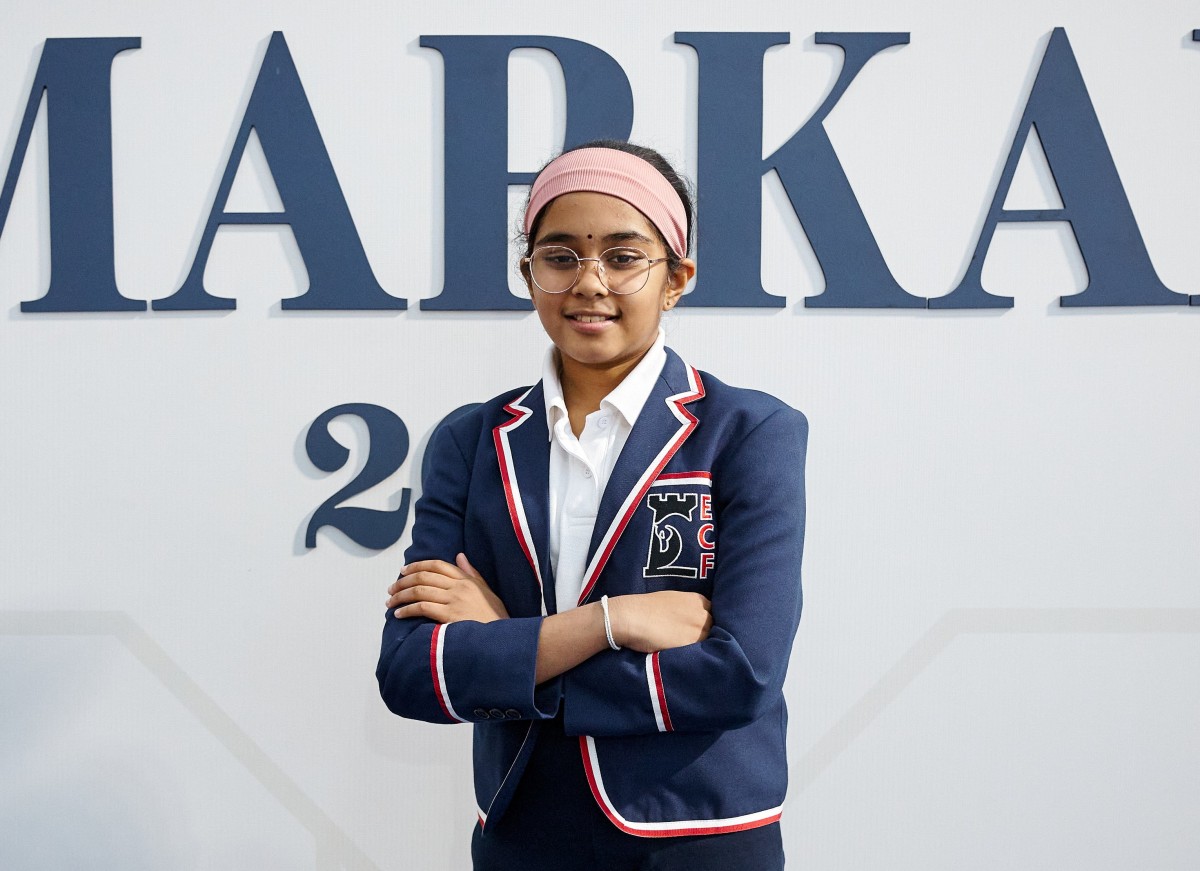
Bodhana Sivanandan is now a Woman Grandmaster. She achieved it at eleven years old, breaking the previous record by nearly a year and a half.
The English prodigy earned her third and final WGM norm at the Women's Olympiad, playing on the top board for England's team. She wasn't just filling a spot. She was the best player on her squad and ranked among the strongest performers on board one across all competing nations. This wasn't a lucky break or an easy tournament. She delivered results against the world's elite female players.
WGM norms are hard to come by. A player needs three of them, each earned at separate tournaments against minimum rating requirements. Sivanandan completed this gauntlet before most kids finish elementary school. The previous youngest WGM was Pia Cramling Jr., who earned the title at twelve years and four months in 2023. Sivanandan bested that by over a year.
What makes this achievement distinct from other child prodigies is the specificity of the women's rating system. Women Grandmaster is a separate title from the open Grandmaster title (GM), requiring lower rating thresholds and norm minimums. Some chess fans debate whether this creates a meaningful distinction or simply reflects organizational structure. That debate doesn't change what Sivanandan accomplished. She followed the women's path and dominated it.
England's Olympiad squad lineup reflects how seriously the federation took her candidacy. Deploying an eleven-year-old on board one means you believe she can deliver. Board one is where you face the opponent's strongest player. It's not a friendly showcase. Sivanandan responded by playing at a level that impressed observers and earned the norms she needed.
The technical standards for WGM norms demand an average rating of at least 2400 (or current rating above 2350) in a round-robin tournament of at least nine rounds with prescribed opposition. Sivanandan met these benchmarks multiple times. This isn't a participation trophy. The ratings and pairings don't lie.
Her rise tracks alongside other young talents redefining what's possible in chess. Gukesh became Grandmaster at sixteen, then world champion months later at eighteen. Praggnanandhaa broke through at fifteen and has already appeared in world championship cycles. Ding Liren won the world championship at thirty-two after decades of preparation. Age alone no longer predicts peak performance in elite chess.
Sivanandan's timeline compresses what previous generations needed years to accomplish. She's not just young. She's young and strong. Those are different things. Plenty of kids get coached intensively and plateau. Sivanandan keeps accelerating.
The question now isn't whether she'll remain a WGM. Players earn titles through rating and norms, and once achieved, titles stick (unless a player takes a break so long that rating floors reset). The question is trajectory. Will she reach GM? Will she challenge for world records in that category? Will she peak in her twenties like Gukesh, or continue setting records across her career?
Her performance at the Olympiad suggests she belongs in conversations about the next generation of super-GMs. She's not unique in her talent level, but she's unique in her age. That combination matters for sponsorship, media interest, and the psychological pressure of being watched constantly.
England's chess federation discovered a resource most federations would kill for. Now comes the harder part. Sivanandan must stay healthy, stay hungry, and navigate the expectations that come with being "youngest ever" at anything. Chess has consumed plenty of child prodigies who couldn't handle the weight of early fame. It's also elevated players like her into the elite ranks.
She's eleven. The real chess is just beginning.