# Turlov Takes FIDE With Radical Plans to Reshape Chess's Standing
Timur Turlov won the FIDE presidency in Samarkand with a platform that amounts to a fundamental bet: chess is worth far more than the world currently treats it.
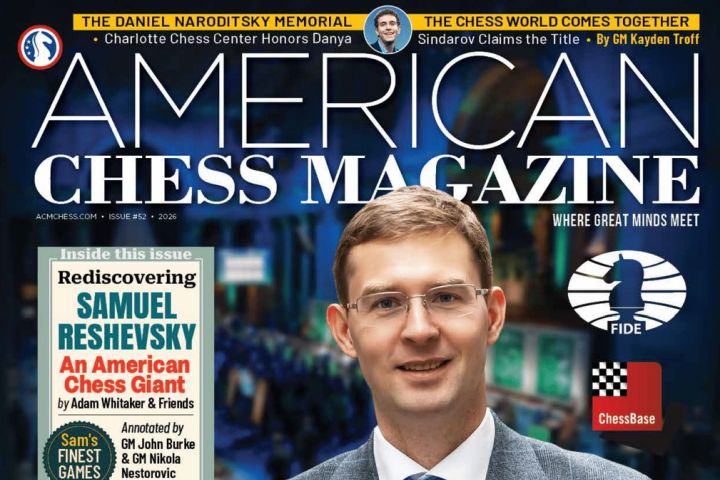
The Russian-born billionaire and founder of Freedom Holding Corp, a fintech empire, enters the role with a different playbook than his predecessors. Turlov isn't a chess player steeped in the game's traditions. He's a businessman who sees an undervalued asset. In his recent interview with American Chess Magazine, conducted just before the election, he was blunt about what he observes: the chess ecosystem operates at a fraction of its potential.
This matters because FIDE controls the world championship cycle, rating systems, tournament sanctions, and the flow of resources into competitive chess. A president with Turlov's outlook will reshape how the sport positions itself globally.
Turlov built Freedom Holding into a multi-billion dollar operation from the digital finance space. He knows how to scale systems, reach mass audiences, and monetize engagement. His background is not in chess administration but in creating ecosystems that work. That's the skill set he's bringing to a federation that has long struggled with infrastructure, transparency, and generating revenue beyond sponsorships from wealthy patrons.
What does "enhancing chess's popularity and status" actually mean in Turlov's framework? It means treating chess less like a niche intellectual sport and more like a legitimate entertainment product. It means investment in broadcast quality, player compensation, youth development pipelines, and digital platforms that reach casual audiences, not just 2400-rated players analyzing the latest Caruana novelty.
The chess world reacted with caution mixed with curiosity. Some traditionalists worry that commercial priorities will corrupt the game's integrity. Others see a necessary correction. The last decade showed that passion alone doesn't fund world championships or youth programs. Garry Kasparov's presidency (2013-2018) had similar ambitions around global expansion but lacked the financial machinery to execute at scale. Arkady Dvorkovich, Turlov's predecessor, stabilized FIDE's finances but operated within conventional constraints.
Turlov arrives with access to capital and a private company structure that can move faster than previous administrations. Freedom Holding already sponsors chess events. Turlov has demonstrated willingness to deploy resources. The interview reveals someone who spent time understanding why chess hasn't achieved mainstream status despite its intellectual appeal. He sees a brand positioning problem, not a game problem.
The immediate battleground will be the 2025-2026 World Championship cycle. Turlov will inherit negotiations with Ding Liren, Giri, Caruana, and whoever else emerges as serious contenders. More broadly, he'll shape how much prize money reaches top players, what domestic federations receive for youth programs, and whether FIDE's rating system undergoes modernization.
There's also the question of whether his fintech background makes him a credible voice in a community skeptical of outsiders. Chess has resisted takeover bids before. But Turlov isn't an oligarch trying to buy prestige. He's positioning himself as a corrective force. The interview showed someone who has done his homework. He understands chess history, knows the leading players, and identified specific gaps in the ecosystem.
The chess world gets a president who views the game as massively undervalued. That's either exactly what the sport needs or a sign that someone is about to learn what makes chess administration genuinely difficult. The next 18 months will tell which one.