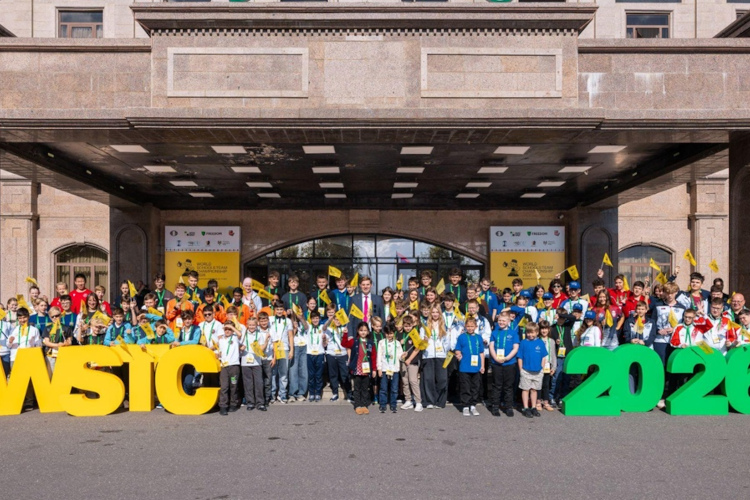
# European Schoolchildren Chase Spots at FIDE's Global Final
Twenty-seven school teams from across Europe have arrived in Tsaghkadzor, Armenia for a competition with real stakes. The FIDE ISCF World Schools Team Championship is a two-stage event, and this Continental Stage acts as the gatekeeper. Win here, and your team boards a plane to the Grand Final in December. Finish outside the qualifying positions, and the year ends without the sport's biggest youth team event.
After two rounds of round-robin play, five teams sit unbeaten. The leader on tiebreak is Gymnasium No. 50 from Minsk, the Belarusian school that broke through in the opening matches. The formula rewards match results first (teams play board-by-board, so a 4-0 victory counts for more than a 2.5-1.5 squeaker), then game points separate the undefeated crews.
The timing matters here. Armenia hosts this tournament in spring, but the real championship happens later. December gives schools time to qualify regionally, then pivot preparation toward December's global showdown. The World Schools Team Championship draws under-18 players from national programs and club networks. For many, it is the first international team event where they represent something bigger than themselves.
The opening ceremony included video messages from previous continental champions, a nod to the event's history even as the competition stays focused on the present. The organizers also built in a cultural element. An Armenian carpet-weaving workshop ran alongside the chess, a reminder that these competitions happen in real places, among real people, not just in abstract tournament halls.
Twenty-five countries sent delegations. That spread across Eastern Europe, Western Europe, and the Mediterranean signals the event's reach. Some teams arrived with national federation backing. Others cobbled together the best young players their schools could field. The difference shows in game results, but effort counts too. A school team that qualifies from Tsaghkadzor will have earned it through two or three rounds of rapid matches.
Gymnasium No. 50's lead came through clean sheet results. The Minsk school converted matches to victories without dropped games, a sign of both board strength and team cohesion. Other teams on maximum points include standard continental powers and rising programs. The race remains open. Several rounds remain before final qualification cutoffs land. Teams that lost a match still have clear paths forward if they win out.
The schoolchildren competing here are not yet grandmasters. Most are not titled at all. But they will remember this. Playing for your school's colors, traveling abroad, competing against players from countries you learned about in history class, facing opponents who studied different openings and different ideas. That experience shapes how young players grow into the game.
The December Grand Final waits. Qualification rates differ by continent. Europe sends a certain number based on its pool size and previous performance. Asian Continental Champions earned their berths weeks ago. African and American stages will fill the remaining slots. When all 12 or 16 team slots (the format varies by cycle) finally fill, December's championship becomes a genuine world event. Schools from Tokyo, Lagos, São Paulo, and Moscow will collide over the board.
Tsaghkadzor's Armenian host committee managed logistics and cultural programming. The carpet workshop was deliberate. These events build understanding. Chess travels best when it lands somewhere, when players sleep in local hotels, eat local food, and see local art. The tournament becomes a memory, not just a rating point.
Five teams are unbeaten. Gymnasium No. 50 leads. Behind them, other strong crews circle. The next rounds will separate pretenders from genuine contenders. By the time Tsaghkadzor's European stage ends, a handful of school teams will pack their bags, book their flights, and start preparation for December. The rest will finish here and start planning for next year.
The championship belongs to them now. The youngsters are playing.