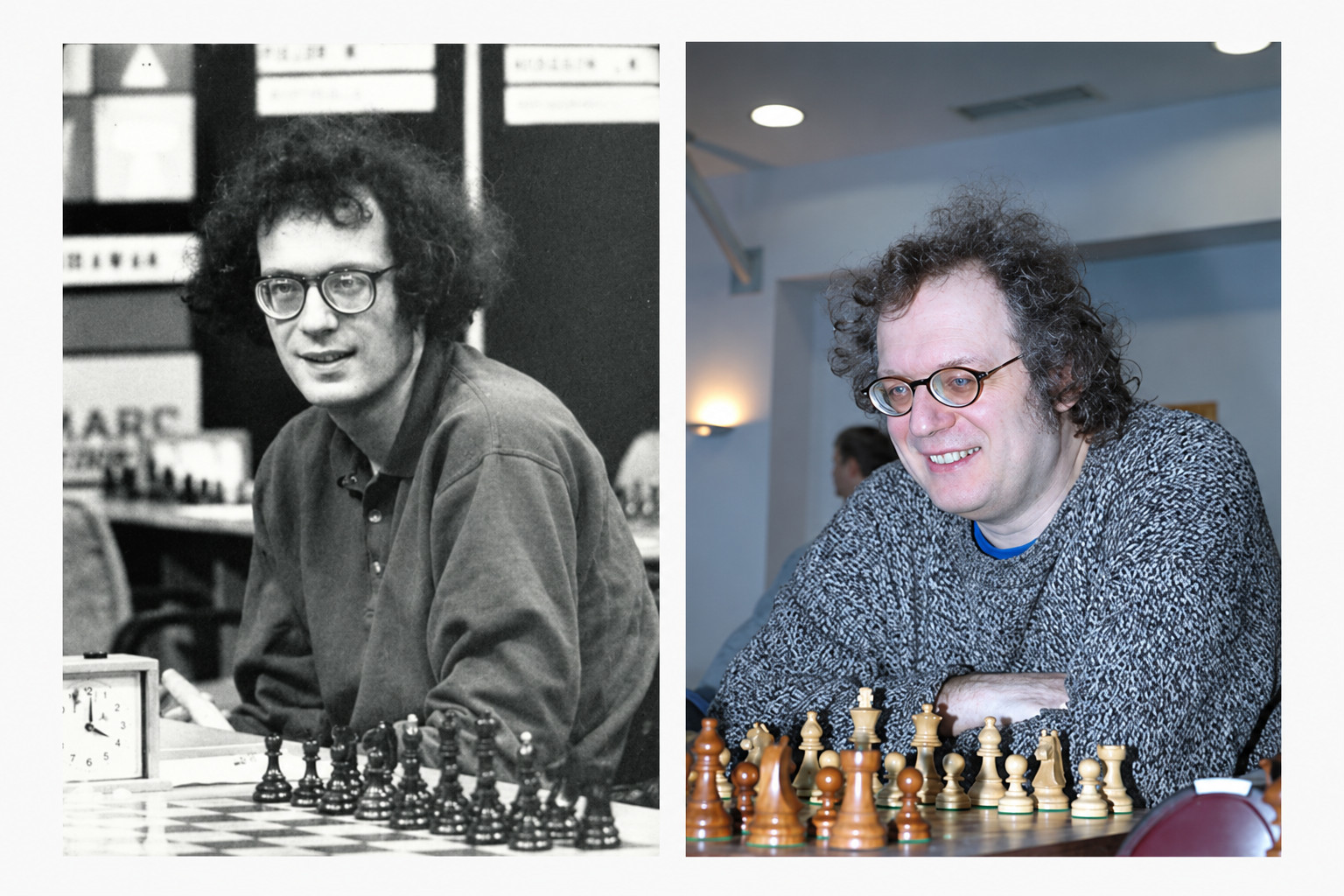
Jonathan Speelman hits 70 today, and English chess owes him plenty.
In the late 1980s, Speelman was a genuine world-class player. He cracked the top five in the FIDE rankings and made it to the Candidates semifinals. That's the level where you're fighting for the right to challenge the champion. Not many English players have done what he did.
He won the British championship three times, but his legacy extends beyond his own results. Speelman was a driving force in England's Olympiad teams during his peak years. He showed up when it mattered, in matches that defined his country's chess culture.
After his playing career cooled, Speelman reinvented himself as one of chess's best communicators. He wrote books that taught players how to think. He analyzed games with genuine insight, not just computer lines. His columns made complex positions digestible for club players without dumbing them down.
That's the Speelman impact. A strong grandmaster who could have faded into obscurity instead chose to build the game. He elevated English chess by playing at the highest level and then, crucially, by helping others understand the game better. Not every strong player does that second part. Speelman did both well.