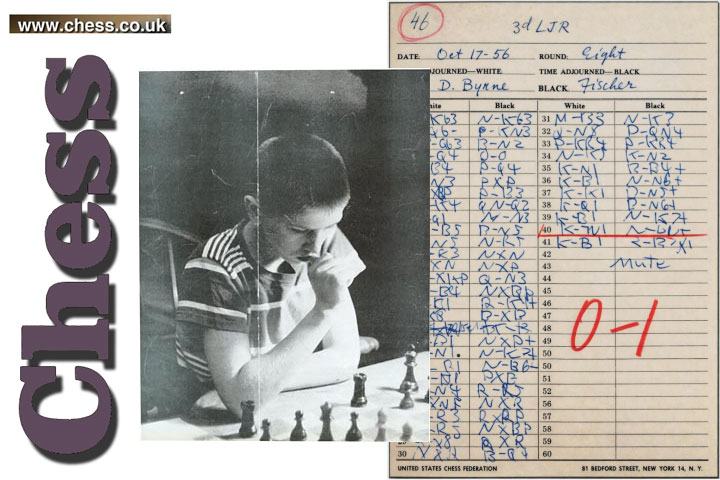
Bobby Fischer's 70-year-old masterpiece still stands as one of chess's most famous games. The 13-year-old prodigy from Brooklyn demolished his opponent in New York on October 17, 1956, with a sacrificial attack so sharp and precise that the chess world took notice immediately.
The game exemplifies why Fischer dominated his era. He didn't grind out positional advantages or wait for opponents to crack. He launched a forcing, combinative assault that left no room for defense. The sacrifices weren't speculative gambits. Each piece he threw at the enemy king served a clear tactical purpose.
This was Fischer at his most characteristic. Fearless. Calculating. Dangerous.
What makes the game remain relevant seven decades later isn't nostalgia. Younger players still study it because the principles translate directly. Fischer showed that when your opponent's king stands exposed, you attack with conviction. You don't second-guess yourself. You don't defend passively. You sacrifice material if it accelerates your attack enough.
The game launched Fischer toward his inevitable dominance of world chess. At 13, he was already thinking several moves deeper than players twice his age. Within a few years he'd become the strongest player on the planet. This victory against a seasoned opponent signaled to the chess world that a generational talent had arrived.