# FIDE in Chaos as Turlov's First Month Reveals Deep Fractures Over Russia and Ukraine
Timur Turlov's FIDE presidency is already fractured. One month after his election, the Russian businessman faces a federation torn between Ukrainian officials who oppose his appointments and unexplained legal moves that raise more questions than they answer.
Start with the prosecutorial mystery. Russia's Prosecutor General's Office moved to declare Turlov an extremist in early October and freeze his Russian assets. Then nothing. The case vanished without explanation, dropped as quietly as it appeared. Turlov had previously faced accusations of extremism related to his political views, but this sudden reversal during his first weeks as FIDE president feels like more than coincidence. Either Turlov negotiated a back-channel settlement, or someone with reach intervened. Chess players rarely get the benefit of the doubt in murky Russian legal cases. This one deserves scrutiny.
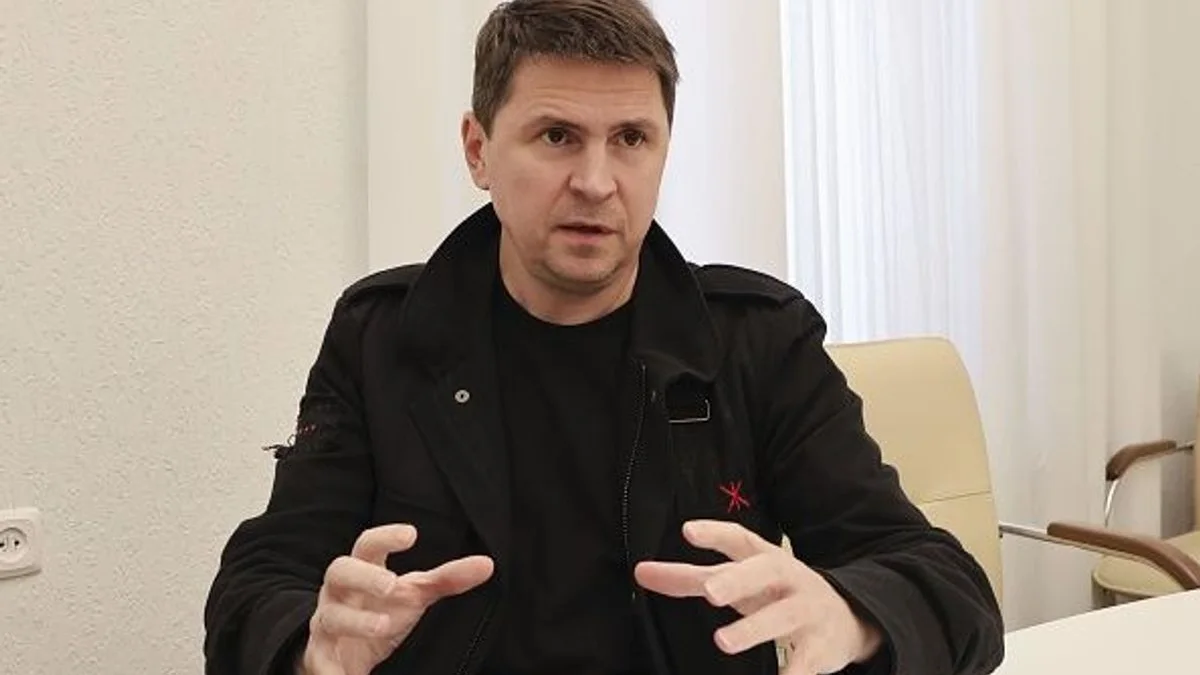
The Ukraine problem runs deeper. Meduza's October 21 feature, written by Konstantin Skorkin, reveals that Ukrainian officials are openly divided over Turlov's appointment of Podolyak and Kolobkov to FIDE vice presidencies. Podolyak, a presidential aide to Volodymyr Zelensky, took one of those spots. Critics argue the move amounts to cooptation. By bringing a Ukrainian official into FIDE's power structure, Turlov gains political cover. The federation gets to claim balance while Russian influence expands. Not all Ukrainian chess people see it that way. Some believe Podolyak's involvement strengthens Ukraine's hand at FIDE. Others think it's a trap dressed up as opportunity.
The Kolobkov appointment adds another layer. His elevation to FIDE vice president signals continuity with the old guard and the chess establishment's tendency to circulate power among familiar names. For years, FIDE's leadership looked like a closed shop where the same players rotated positions. Turlov promised change. Instead, he's consolidating authority through appointments that keep some insiders happy while neutralizing potential opponents.
This matters because FIDE controls the world championship cycle, rating systems, tournament standards, and billions in sponsorship money. A divided federation cannot act decisively. World Chess Championship candidates could face questions about legitimacy. Online platforms might fragment. Rating transparency could suffer. The pandemic proved that chess relies on institutional stability. Turlov inherits a federation that already leans toward dysfunction. Now he's adding political complications.
The next test comes at FIDE's next council meeting. Watch whether the Ukrainian officials who oppose these appointments push for votes of no confidence or simply accept the new hierarchy. The silence or the noise will tell you everything about whether Turlov actually controls FIDE or whether he's merely managing a crisis that gets worse every month.