# The FIDE Election Never Ended. It Just Moved to the Maldives.
Timur Turlov won the FIDE presidency this autumn with a 110-85 vote over Wadim Rosenstein. You would think that settles things. You would be wrong.
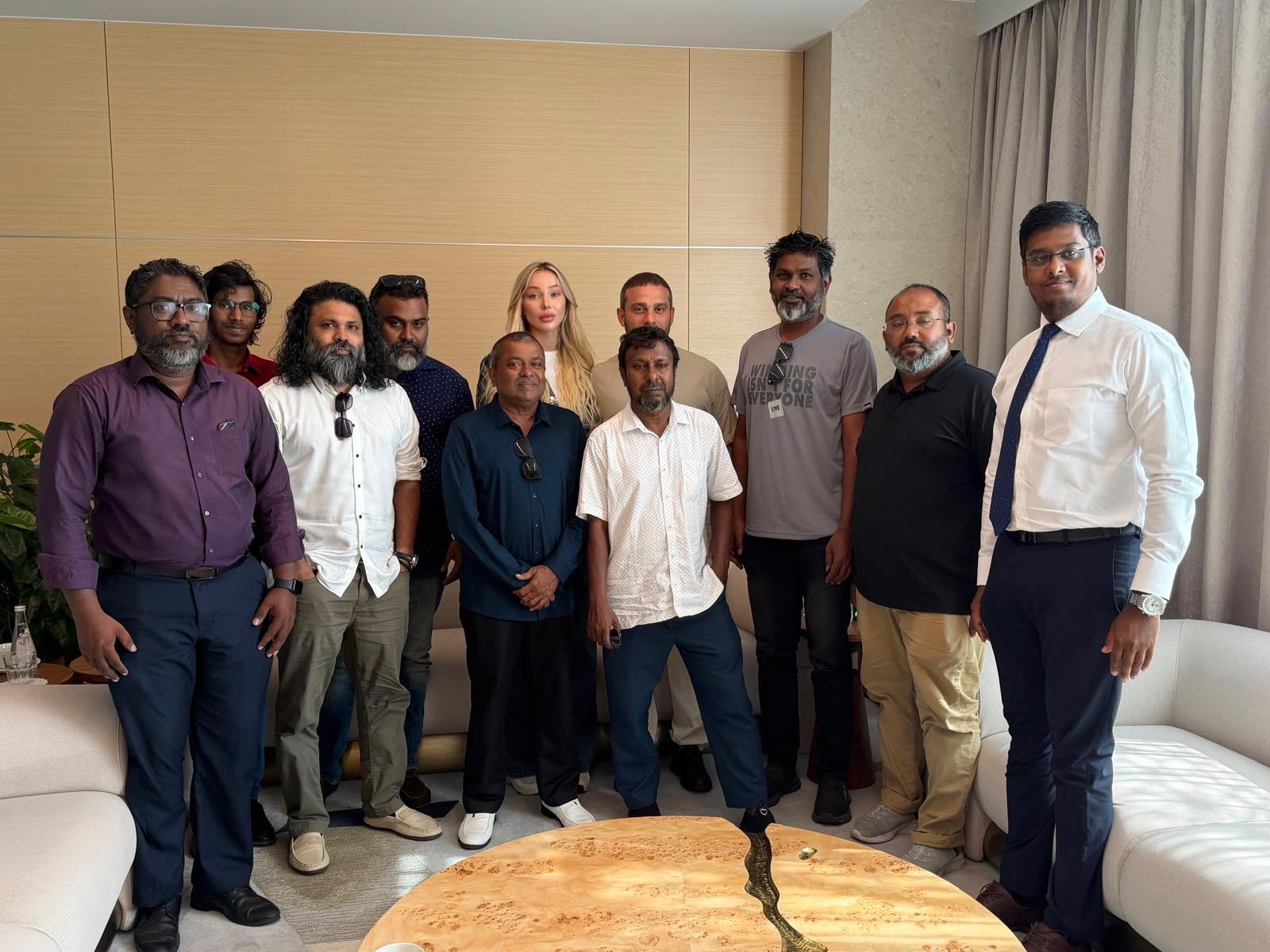
Both men have spent the past weeks visiting the Maldives. Both posted about it on social media. Both framed their trips as goodwill tours to support the island federation's chess development. Neither has actually stopped campaigning.
Rosenstein posted on October 12, calling his time with the Maldivian chess community "wonderful" and highlighting development work. The framing matters. A loser in a FIDE election doesn't vanish. He regroups. He builds alliances for the next contest. Small federations like the Maldives, with just one or two votes at the congress, can seem insignificant until you remember that 110-85 margins are thin. Those island votes matter in four years.
Turlov, the actual president-elect, has made similar overtures. His visit carries different weight. He's not fighting to stay relevant. He's establishing the new regime's reach. Every federation he visits is a federation he signals will receive attention, investment, or development funding under his administration. That's how FIDE politics works. It's carrots and sticks dressed up as friendship.
This is not unusual in world chess federation politics. Administrations cultivate relationships with smaller federations because those federations control votes. The Maldives has negligible rating strength. Its contribution to the world chess ecosystem is minimal. But at the FIDE congress, one federation equals one vote, regardless of size. That's the rule. Understand that rule and you understand why two rival candidates both found time for a small island nation in the Indian Ocean.
The real story isn't friendship or development. It's that the 2024 FIDE election already feels like yesterday's news. Turlov won. Rosenstein lost. But the next election cycle has already begun. Both men are laying groundwork. Both are building networks. Both are reminding smaller federations that they care, that they're present, that they're worth voting for next time.
The Maldives probably got genuine development pledges from both visits. That's nice for their players. But they also got a firsthand lesson in how FIDE really works. Ideals and chess improvement matter less than federation politics and vote counting. The race for 2028 started the moment Turlov's 110 crossed the finish line ahead of Rosenstein's 85.