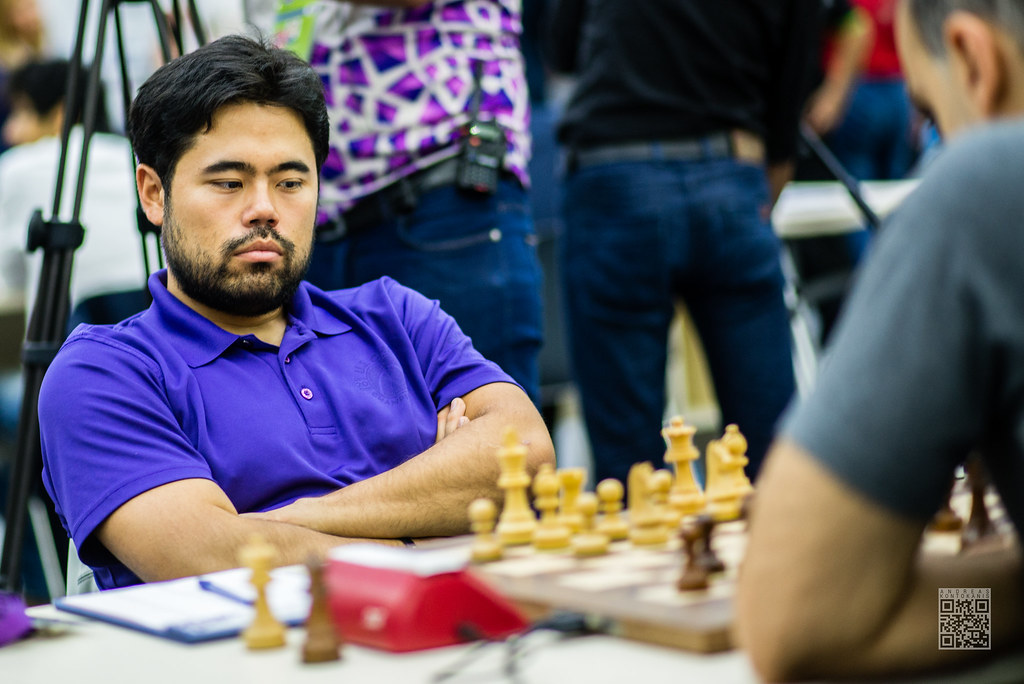
Hikaru Nakamura seized day one of the Champions Showdown in Saint Louis with ruthless efficiency, finishing 4/6 and unbeaten to lead the field by half a point over Javokhir Sindarov. Two wins, four draws, and zero losses. That's the template for winning a tournament's opening salvo, especially one featuring the world's elite.
The surprise came not from Nakamura's pace, which has always been his trademark, but from who faltered hardest. Praggnanandhaa Rameshbabu arrived in Saint Louis riding the high of a Grand Chess Tour victory, the kind of recent form that usually carries momentum into the next event. Instead, he crashed into last place at 2/6. The tournament punished complacency immediately.
Nakamura's day revealed the gap between his technical execution and his occasional generosity. Against Caruana, he built a winning endgame, then permitted his opponent to force a perpetual check and escape with a draw. That careless slip cost him the full point and, more broadly, hints at where Nakamura's losses often come from. When he plays well, the board bends to his will. When his concentration fragments even slightly, opponents with Caruana's defensive resources slip through the cracks.
But Nakamura beat Praggnanandhaa decisively, and that matters context-wise. Praggnanandhaa's collapse speaks to a real problem in chess momentum. Win a Grand Chess Tour, feel the surge of confidence, and the world feels smaller. Then you sit down in Saint Louis opposite players of this caliber on their home turf, and if your preparation isn't fresh or your focus isn't sharp, the tournament eats you. Two draws and four losses is a tournament-ending disaster at this level.
Sindarov's half-point gap behind Nakamura keeps the race genuinely open. A half-point deficit after six games is nothing in classical chess. One strong day from the Uzbek youngster closes that gap and potentially flips the leaderboard entirely. The Champions Showdown format, with its round-robin structure and compressed schedule, rewards consistency and punishes hesitation. Nakamura showed the first. Praggnanandhaa showed the second.
The remaining rounds will test whether Nakamura can sustain this opening pace or if the field tightens around him. Sindarov's presence suggests at least one challenger has found his rhythm. Praggnanandhaa, meanwhile, needs to find whatever was working in the Grand Chess Tour, because it vanished somewhere between that victory and the board in Saint Louis.