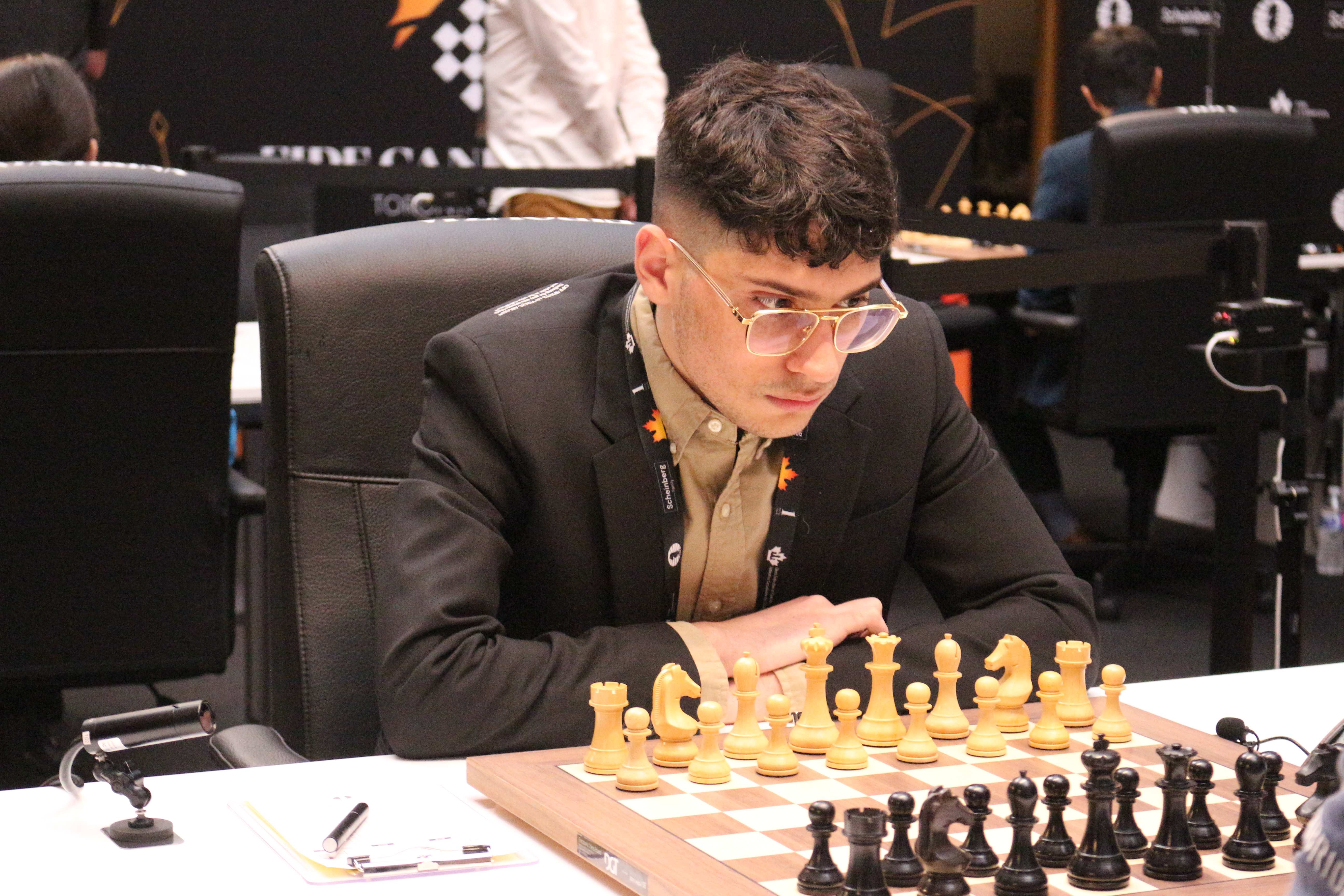
Alireza Firouzja bulldozed through Chess.com's Bullet Brawl arena on Saturday, posting a 170-point performance to win the 232-player event and snap Hikaru Nakamura's reign. This matters because Nakamura had built one of those mythic bullet streaks that accumulate hype faster than rating points. Bullet chess carries less theoretical weight than classical play, but the format rewards pure tactical vision and nerve. Nakamura owns that arena usually. Not this time.
Firouzja beat six super-grandmasters to claim top honors, which tells you the depth of competition in this particular bracket. The field alone justifies attention. These aren't 2400-rated club players grinding for titles. This is the modern elite playing the format that's become their preferred circus act between serious tournaments.
Nakamura's streak had reached the point where it mattered narratively. Every record run eventually ends, but the anticipation builds precisely because we know that collapse arrives eventually. Firouzja's victory delivers that moment decisively. The Iranian-French GM has established himself as a threat across time controls. His classical rating hovers in the 2700s, but his bullet strength rivals anyone on the platform. Saturday proved it definitively.
What makes this result worth watching is the contrast in playing styles. Nakamura thrives on aggressive attacking play and precise calculation at fast tempos. Firouzja combines that same calculating power with a cooler disposition under time pressure. When both players operate at peak sharpness in bullet, the player with better nerves often prevails. Firouzja brought both calculation and composure.
The Bullet Brawl format exists primarily as entertainment and engagement. Chess.com uses these arenas to keep the playerbase active during off-seasons and between major classical tournaments. But they also function as proving grounds for speed chess dominance. Players' online bullet ratings matter to their personal brands now. Rating inflation has occurred across all time controls, yet the gap between Nakamura and his nearest competitors in bullet has traditionally been substantial.
Firouzja's victory suggests that the elite level of bullet chess continues to tighten. The technical barrier to reaching 2700+ classical strength has lowered over the past decade due to engine analysis and databases. That advantage transfers to rapid and bullet play. Younger players now enter the elite world with bullet strength already intact. Firouzja exemplifies this trend.
The next indicator to watch arrives when these two meet in a classical tournament setting. Nakamura maintains his classical rating advantage, but Firouzja's upward trajectory remains steep. Their head-to-head matchup in serious play would carry more analytical weight than any online arena result. For now, Firouzja owns bragging rights on the bullet board. Nakamura will want his streak back eventually.