Khumoyun Begmuratov did not enter the World Junior Rapid Championship in Al Ain as the favorite. After six rounds, he was not the leader. Yet the Uzbek grandmaster finished unbeaten with 7.5/9 and walked away with the open title. This is how Swiss tournaments reward consistency.
Begmuratov won six games and drew three. He never lost. That purity of result speaks louder than early position. Two Indians pushed him hard. Pranav V. finished second on 7/9, while Raad Samadov of Azerbaijan took bronze with the same score. Tiebreak mathematics separated the medalists, a familiar Swiss tournament reality where 7/9 is common currency at the elite junior level.
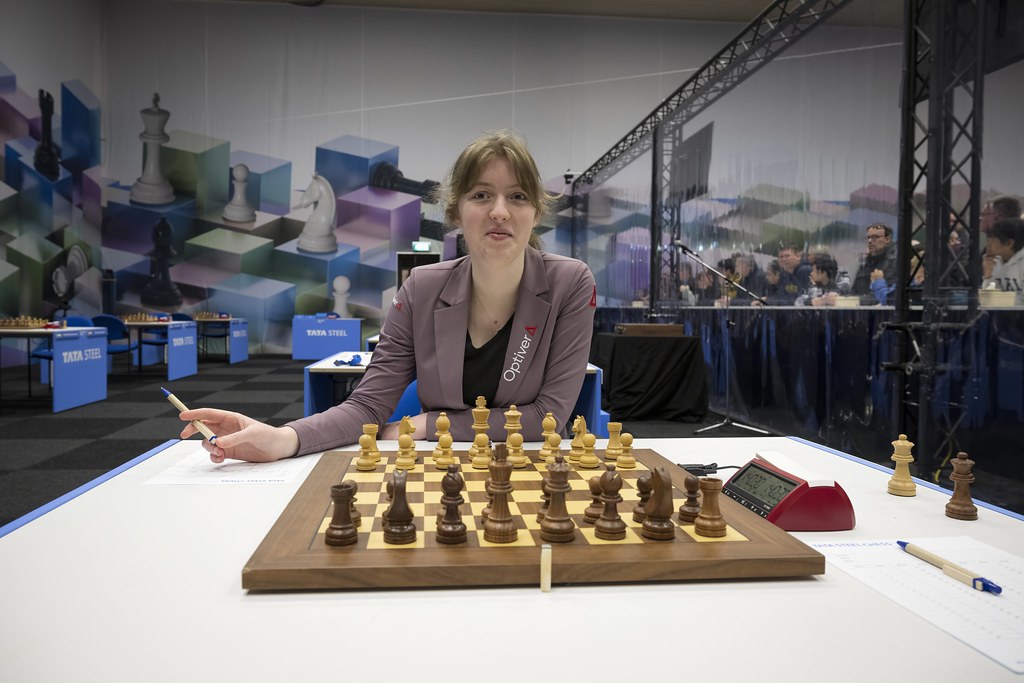
The girls section told a different story of dominance. Eline Roebers of the Netherlands, seeded first, played to her billing and won the title outright. Where Begmuratov had to navigate draws and scraped across on points, Roebers asserted control. A top seed winning the tournament she enters as top seed signals either dominant preparation or players who underperformed. In junior rapids, the latter often explains the former.
These results matter because they define who sits atop the junior hierarchy heading into 2025. Begmuratov's unbeaten score at a world championship signals stability. He did not need a single knockout blow. He relied on converting positions into points consistently. That approach wins world titles. It also wins matches against older, stronger players when Begmuratov inevitably moves up the rating ladder.
Roebers' win extends the Netherlands' pattern of producing female talent. The Dutch pipeline keeps producing players who compete at the highest junior levels and often sustain that trajectory into the open elite. Her top seed status means the federation rated her the strongest coming in. Validating that tag with a championship win matters for sponsorship, opportunities, and the psychological weight of being vindicated as the favorite.
For Begmuratov and Roebers, rapid chess is preparation ground. Both will be tested in classical formats next. Rapid success, especially unbeaten rapid success, suggests the tactical and positional tools exist. Begmuratov's draw rate, three of nine games, is worth monitoring. It shows he accepted half-points when winning seemed unlikely. That pragmatism wins tournaments but sometimes masks deeper weaknesses that classical time controls expose.
The World Junior Rapid Championship happens annually. It has launched and solidified careers for players now rated 2600 and above. Begmuratov and Roebers just joined a lineage of junior rapid winners who went on to matter in chess. What they do next in classical play will determine whether this Al Ain crown was a peak or a foundation.