# The Chess World Has a Women Problem It Can't Ignore
Three out of four women in chess have faced discrimination or harassment. Nearly half considered quitting entirely. Those numbers come from a FIDE survey released this week, and they represent a crisis the sport's governing body can no longer pretend doesn't exist.
This isn't a minor complaint from a vocal minority. This is 75% of women respondents describing experiences ranging from casual disrespect to serious misconduct. The fact that 44% have thought about leaving the game means chess is hemorrhaging talent, perspective, and potential revenue at a scale most federations would call catastrophic if it happened in any other demographic.
The numbers matter because they're specific and they're damning. Women comprise roughly one in six active FIDE players. That ratio has remained stubbornly flat for decades. The survey data explains why the pipeline breaks: girls and women don't leave because they lack talent or interest. They leave because the culture makes staying unbearable.
The types of incidents matter too. Harassment in chess clubs, tournaments, and online spaces ranges from dismissive commentary about women's playing strength to outright predatory behavior. Discrimination takes forms most sports would find shocking in 2024: women told they belong in separate tournaments only, their presence treated as novelty rather than normal, their victories attributed to luck rather than skill.
Here's what makes this urgent: elite chess depends on young talent finding the game early and staying committed through years of grinding improvement. Most grandmasters log 10,000 hours of serious study before reaching elite strength. If girls are dropping out at rates four times higher than boys, the math is simple. Fewer elite women players. Smaller talent pool at the top. Perpetually unbalanced representation at the world championship level.
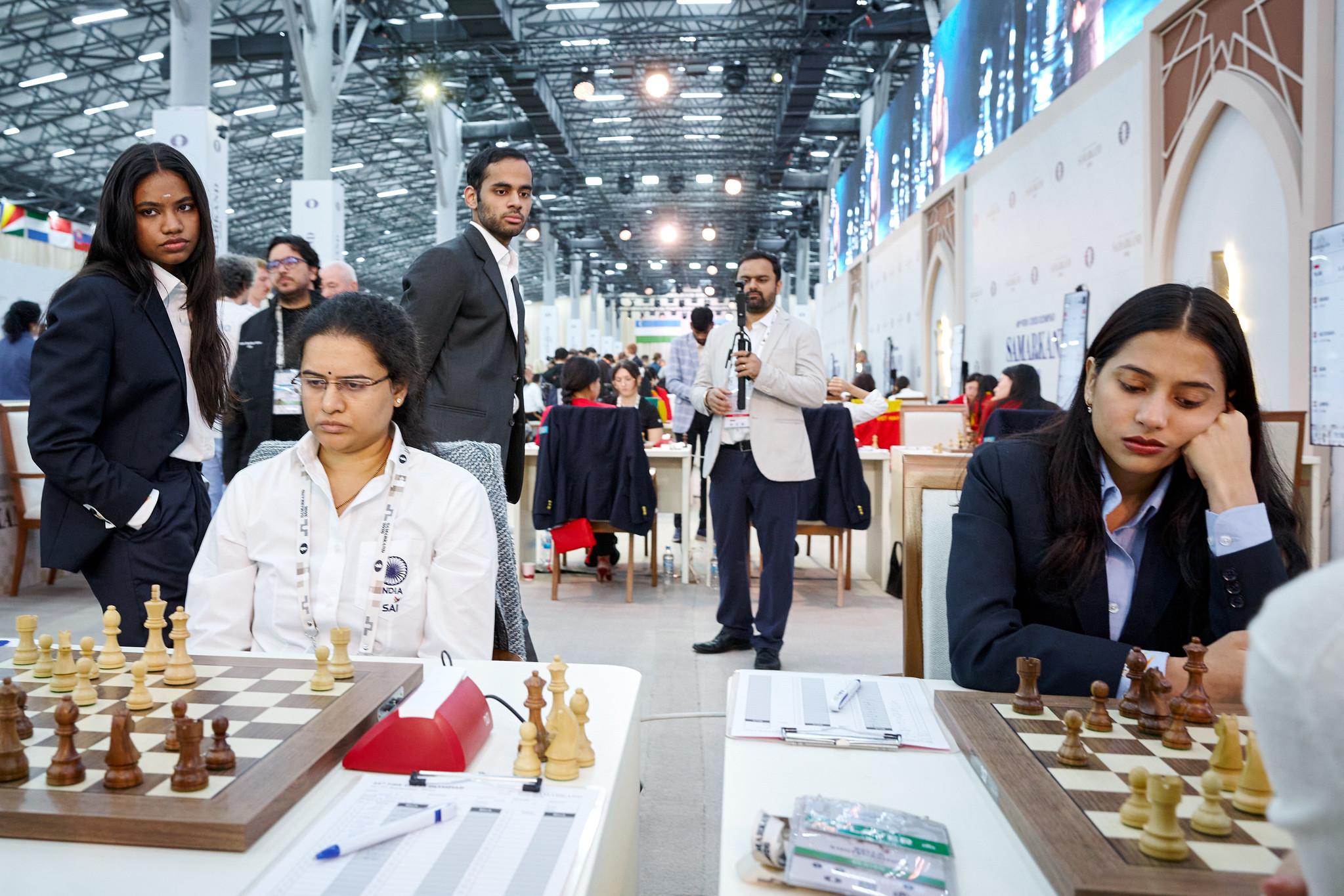
The chess world points to figures like Ding Liren, Giri, and Caruana as proof the game is healthy and growing. They're right. But watch women's tournaments and watch how the broadcast numbers, sponsorship deals, and media coverage compare to the men's circuit. The asymmetry exists because the grassroots pipeline is broken. You can't build a thriving women's chess ecosystem when three in four women say they've faced harassment in it.
FIDE's survey is the first serious effort to quantify what has long been anecdotal. That's progress. Acknowledging a problem is the necessary first step. But acknowledgment alone solves nothing.
What changes next depends on whether federations actually resource solutions. That means dedicated harassment reporting systems with real enforcement. It means training for tournament organizers and club leaders. It means making it clear that dismissive comments about women's chess are not harmless banter but actual violations. It means sponsoring and promoting women's competitions with the same vigor applied to men's events.
The alternative is for chess to accept that it will remain a male-dominated sport where women participate at the margin. The game will survive that outcome. Chess survived the Fisher-Spassky era. It survived the computer revolution. It will survive anything. But it won't be the best version of itself. Half the world's population represents half the potential player base. Chess is choosing not to tap that market.
Online chess platforms like Chess.com and Lichess have slightly better records than over-the-board chess on harassment, but only slightly. Their moderation tools exist. Women still get verbally abused in online matches with regularity. Nobody gets banned for telling a woman opponent she plays like a girl. That's a cultural problem that tools alone can't fix.
The FIDE survey should alarm the federations that oversee national chess programs. It should alarm tournament organizers. It should alarm sponsors thinking about where their money goes. Three in four is not a statistic that describes a healthy system. It describes a sport failing half its population.