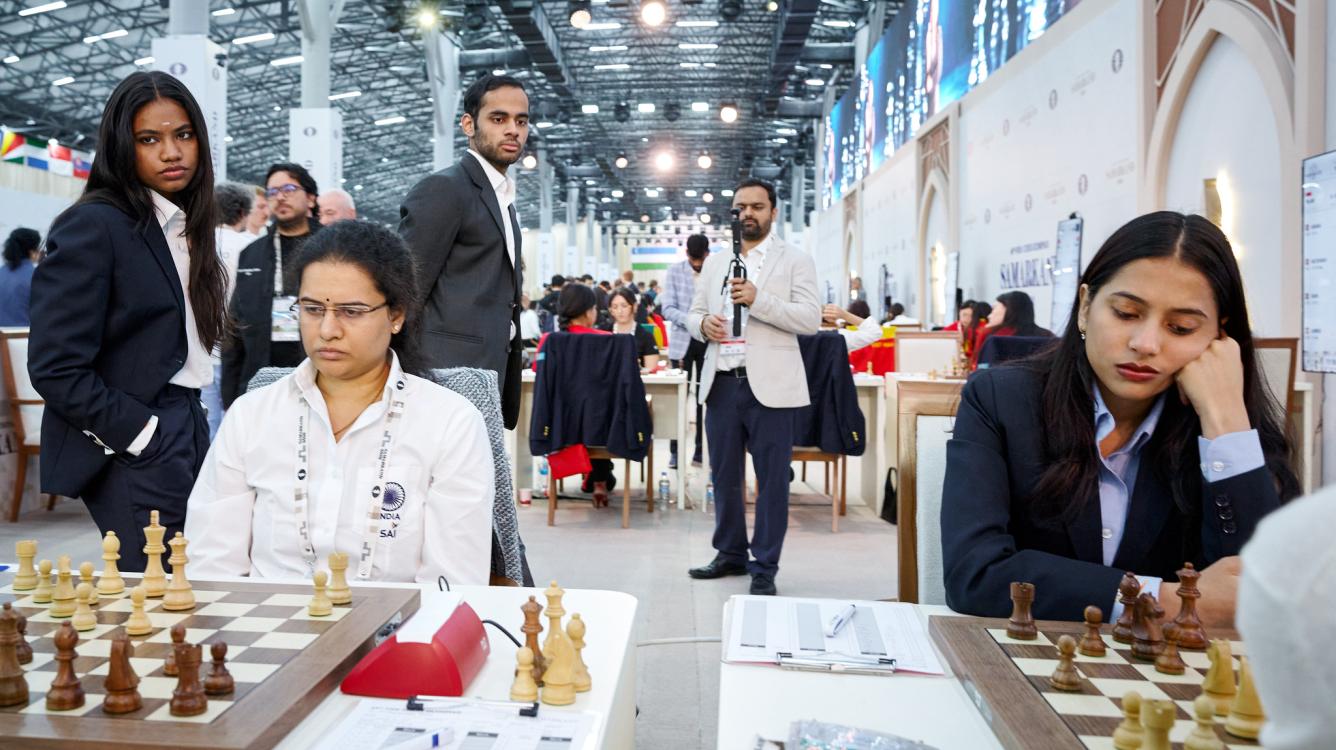
FIDE's latest survey landed like a forced move nobody wanted to play. Seventy-six percent of the 672 women surveyed across 127 federations reported experiencing discrimination or harassment. Nearly half considered walking away from chess entirely. These numbers demolish the comfortable myth that chess is a pure meritocracy where only the board matters.
The survey captured eight distinct forms of mistreatment. Women described harassment ranging from unsolicited comments to exclusion from tournaments and coaching opportunities. Some faced salary discrimination. Others dealt with gatekeeping from male-dominated clubs and federations. The diversity of complaints reveals this isn't one problem. It's systemic.
Here's what actually stings. Forty-four percent of respondents seriously contemplated quitting. In a game that already struggles to develop female talent at the elite level, losing players at the grassroots because they're exhausted by constant friction is catastrophic. FIDE loses future GMs. Federations lose membership dues. The sport loses the competitive depth it claims to value.
The counterargument exists. The survey was voluntary, which means it likely skews toward women who experienced something bad enough to motivate participation. The sample isn't random. Some questions were optional. Self-selected surveys always exaggerate problems. Fair enough. But exaggeration and reality aren't opposites. Even if the true percentage is 50 percent instead of 76 percent, that's still a crisis no major sport should tolerate.
FIDE's response matters now. The federation can't publish these findings and disappear. That's where the second half of this story lives. Real action requires teeth: enforcement mechanisms for affiliated federations, mandatory harassment reporting procedures, sanctions with actual consequences. Not guidelines. Not workshops. Enforcement.
Individual federations need skin in the game too. The ones experiencing the worst harassment statistics should face real pressure to change. Rating changes and tournament hosting privileges could hinge on demonstrable progress on inclusion metrics. Make chess federations choose between their reputation and their revenue.
The hardest truth here is that chess has known this problem existed. Women players have been saying it publicly for years. Judit Polgar, Alexandra Kosteniuk, and countless others have documented poor treatment. The difference now is numbers. Percentages. Data that FIDE itself collected and published.
The meritocracy myth dies hard in chess because it serves male players. The board doesn't care about a player's gender, but the people around the board do. They very much do. FIDE now owns those numbers. The federation can't claim ignorance. They'll be judged by whether they act like they believe their own survey.