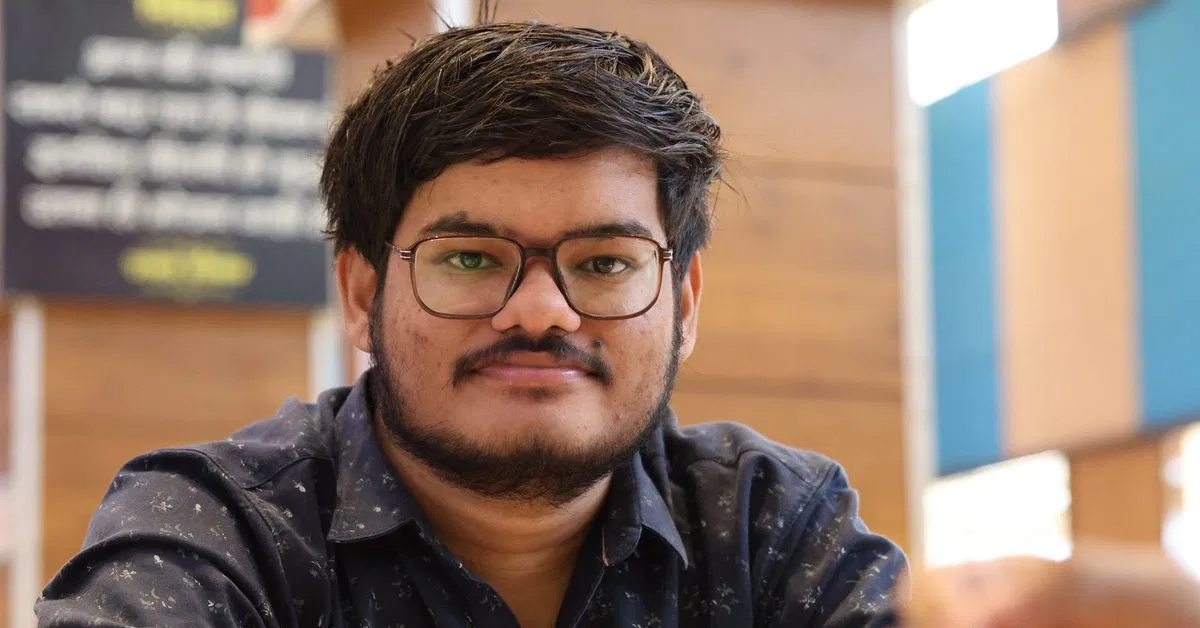
India's chess boom just hit a symbolic milestone. Anuj Shrivatri, 22, became the country's 100th grandmaster after winning the 7th ASEAN+ Open Chess Championship in the Philippines. He earned the final norm he needed to cross the rating threshold, cementing a genuinely historic marker for Indian chess.
The numbers tell the story. A quarter-century ago, India had one grandmaster. Vishy Anand stood almost alone. Now the country produces them at a pace that ranks behind only Russia and a handful of Eastern European powers. One hundred grandmasters from a single nation reflects not just talent but infrastructure, coaching depth, and a culture where chess has become a legitimate career path.
Shrivatri's tournament victory carries particular weight because it came against the field format of an international open. He dropped a game in the first round, a liability that could have derailed weaker competitors. Instead, he regrouped and finished alone in first, playing the kind of consistent chess required to reach 2500 rating. At 22, he joins a cohort of young Indian players now pressing into the super-GM ranks. Gukesh, Arjun Erigaisi, Praggnanandhaa, and now Shrivatri represent a generational shift where Indian chess is no longer defined by one player carrying the entire federation's hopes.
The Philippines tournament itself carried moderate strength, though not at the level of the world's elite opens. ASEAN+ invitationals draw strong regional talent and occasional super-GMs, making it a legitimate proving ground. Shrivatri's performance there marks him as a player capable of moving upward from this moment. His next phase involves breaking into the 2550+ range and joining India's active super-GM community. That's where the real competition begins.
Federations track these centenary moments for good reason. They signal sustainability. When a country reaches 100 grandmasters, it signals that the talent pipeline runs deep. The next 25 will likely arrive faster than the first 100 took. India's chess federation should find cause for satisfaction here, but no complacency. The gap between becoming a GM and becoming a credible world championship contender remains substantial. Gukesh understands this better than anyone at this point. Still, Shrivatri's breakthrough reminds us that India's chess talent pool keeps widening, and the competition among Indian players for world-level opportunities has never been sharper.