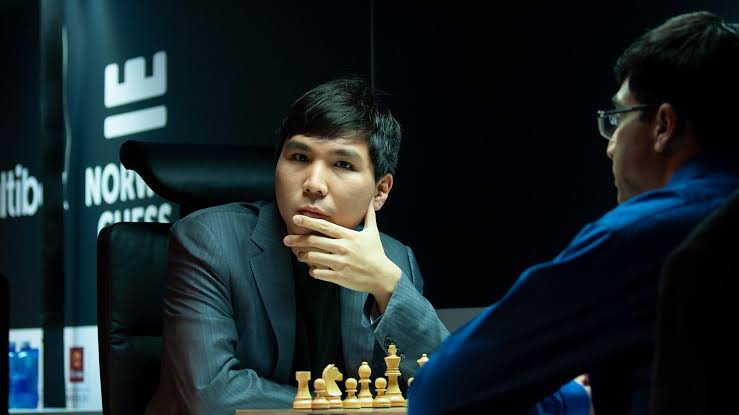
Wesley So didn't mince words about the Total Chess tournament format in Budapest. He called it a "military endurance test" and said bluntly that he would never have accepted an invitation had he known what awaited him. By Monday, his frustration had escalated from technical complaints about clock settings to existential doubts about the entire event.
The spark was simple. Total Chess uses 45+30 time controls for its group stage matches, with no increment at move 40. So argued this doesn't qualify as classical chess at all. After watching the first days of competition, he saw nothing but time pressure and scrambling. To him, it looked and felt like blitz masquerading as something it isn't. That distinction matters for how players prepare, how they play, and what the results actually mean.
So's initial objection was reasonable. The 45+30 format does compress the game into a tighter window than the 90+30 controls you see at world championships or top-tier opens. Players reach move 40 racing the clock, not playing thoughtfully. The increment kicks in just as the position stabilizes. It creates artificial urgency where classical chess should reward patience and depth.
What makes this complaint stick, though, is So's credibility. He's been around long enough to know the difference. He's played Candidates Tournaments. He's competed at the highest levels. When Wesley So says something isn't classical, he's not splitting hairs over arbitrary definitions. He's noting that the format breaks the fundamental structure of classical time controls.
Levon Aronian disagreed with So's take. Rather than dismiss the format entirely, Aronian presumably defended its viability or its purpose. That split between two of the game's veterans reveals a real tension in modern chess. Tournament organizers squeeze time controls tighter to fit more games into compact schedules. Players want sufficient time to think. Spectators want drama and decisive results. These pressures clash constantly.
The Total Chess format appears designed to pack meaningful competition into a few days while still maintaining some resemblance to classical play. It falls short in So's judgment. His complaint isn't about the venue or the opposition. It's about the fundamental structure of how the game was set up.
Whether So's frustration translates into a decision to withdraw or simply sits as a public record of displeasure remains to be seen. But his words carry weight in a chess community already skeptical of time-compressed formats. If top players start refusing invitations to events with 45+30 controls, organizers will need to adjust or accept lower-caliber fields.