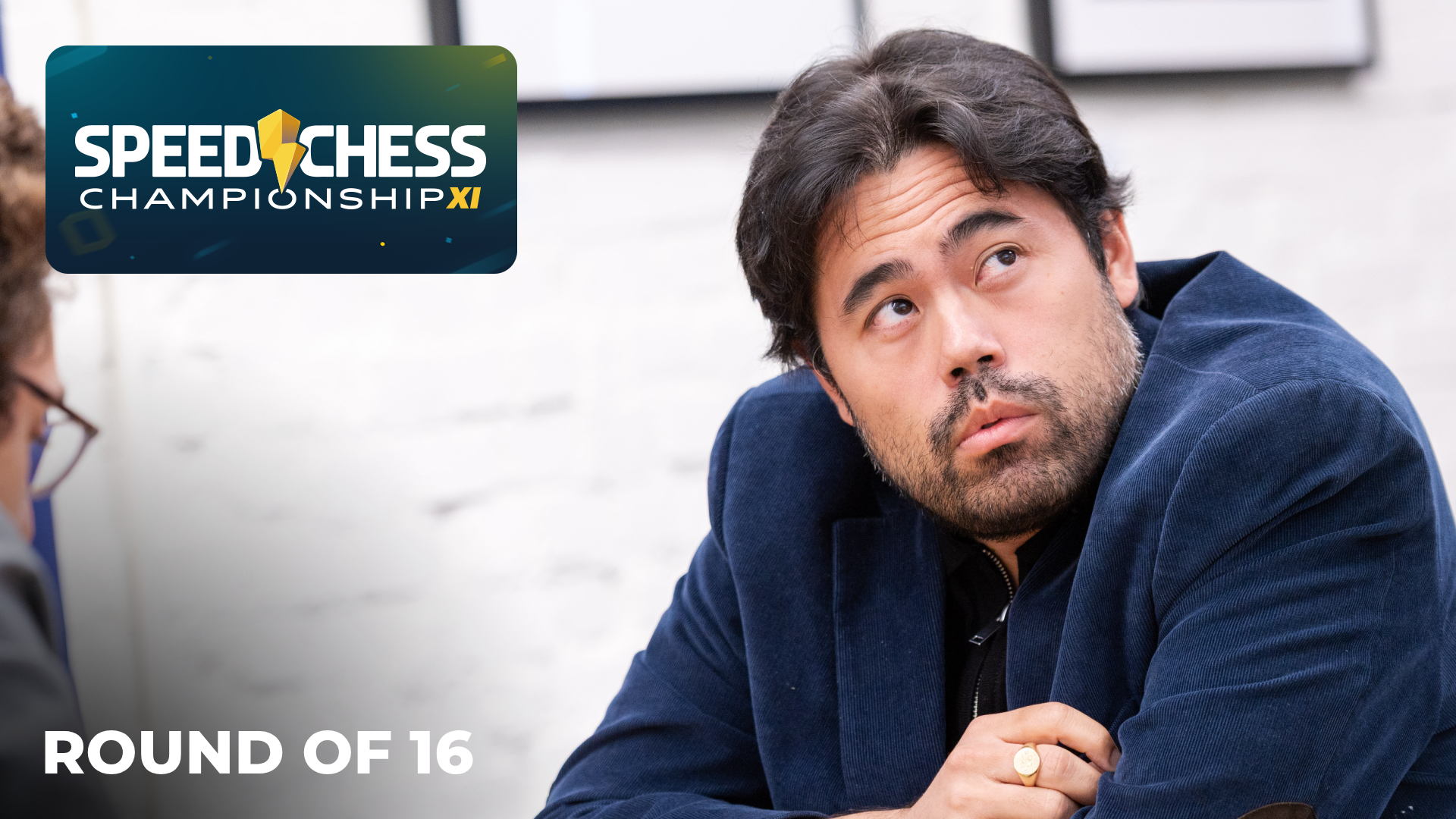
Nakamura's loss in the bullet segment to a 15-year-old Turkish prodigy signals something worth watching. Yagiz Erdogmus beat him at chess's fastest format, the one Nakamura has dominated for years. That's the kind of upset that sticks with people, even though it didn't matter to the final result.
The Speed Chess Championship XI Round of 16 delivered what these matches always do: drama compressed into a few hours. Nakamura, playing for Team Falcons, finished 12-8 against Erdogmus. The score tells you Nakamura controlled the match overall. The bullet loss tells you something else. It tells you that Erdogmus, at 15, already plays bullet chess at a level that can trouble one of the world's fastest thinking humans.
Here's what happened practically. The match ran across multiple time formats. Erdogmus took the bullet segment, which is 1-minute chess. That's not Nakamura's specialty anymore, though he built his reputation there. Nakamura's strength now lives in blitz and rapid, where he can apply positional understanding and calculation depth. The Turkish kid found a moment to shine in the format where you barely think.
Nakamura dominated the blitz games, which is why the aggregate score moved his way decisively. Blitz is 3-minute chess. This is where Nakamura's experience, pattern recognition, and tactical sharpness take over. At 36, he's played tens of thousands of blitz games. He knows which positions to avoid. He knows where the tricks hide. Erdogmus couldn't sustain the pace once the clock got longer.
The Speed Chess Championship format matters here. This is an online speed event, not classical chess. It's how modern chess entertainment works. Teams compete. Players represent franchises. Personalities matter as much as ratings. Nakamura represents the Falcons. His result puts his team in the Round of 16, moving toward the London finals later in the season.
Erdogmus won't walk away from this match thinking he failed. He beat Nakamura at something. At 15, he's already a grandmaster. That alone puts him in roughly the top 150 players in the world by rating. His bullet skills are genuinely sharp. The issue is that beating someone in one segment doesn't beat them overall. Speed tournaments aren't single-format. They test versatility.
What changes next is straightforward. Nakamura advances. Erdogmus goes home. The Falcons move forward in the Speed Chess Championship. For Nakamura personally, there's no crisis. He won the match. The loss in bullet is a note, not a story. For Erdogmus, it's a learning experience. He proved he can outplay top-10 players in certain conditions. His task now is making that skill translate to formats where calculations pile up.
The bigger picture involves how online speed chess has become serious business. Major sponsorship backs it. Teams invest in rosters. Chess.com builds entire competitive ecosystems around speed formats. This isn't a sideshow to classical chess anymore. It's where young players like Erdogmus build brands, earn money, and test themselves against the absolute elite.
Nakamura's bullet loss was real. It was also irrelevant to his advancement. That's chess speed tournaments in a sentence. The player who wins the most games across the most formats goes forward. Specialization in one format gets you applause. Consistency across all of them gets you to London.