# Giri and Firouzja Meet in Total Chess Finals as Format Tests Speed Chess's Future
Anish Giri and Alireza Firouzja are locked in the title match of the Total Chess Pilot this week. The tournament wraps up Thursday and Friday with all 24 competitors still fighting for their final standings, but the crown goes to whoever wins this head-to-head.
The format is aggressive. Each day delivers four blitz games, two rapid games, and one fast classic game. That's a lot of chess in 48 hours. The structure rewards versatility. You need endurance, tactical sharpness for the blitz, and enough precision to navigate the classical games. No specializing in one time control works here.
This matters because Total Chess represents a genuine attempt to reshape how the world watches top-level chess. The organizers packed elite players into a knockout structure and compressed the schedule into a festival format. No traditional leisurely round-robins where players rest between rounds for three days. No waiting a week to see the next critical game. This is speed chess on the sport's biggest stage.
Giri comes in as a known quick-play operator. His blitz rating hovers around 2850. He thrives in rapid. The Dutch grandmaster has built a career on versatility and clean technique across all tempos. Against Firouzja, Giri faces a younger opponent with blazing tactical instincts and a rising blitz profile. Firouzja has shown willingness to play freely in fast games, accepting chaos when it favors his style.
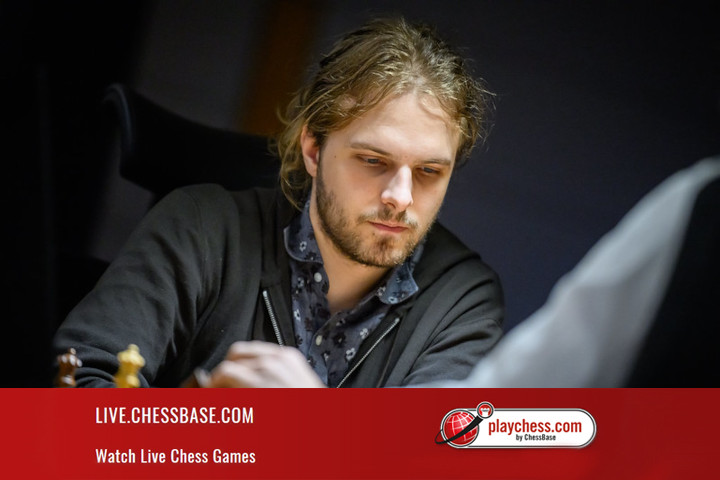
The 24-player field competing this week includes Arjun Erigaisi, pictured by Michal Walusza during earlier rounds. The tournament pulled from multiple selection methods to build its roster. Some players qualified through preliminaries. Others received direct invitations based on ranking and profile. The idea was to create a competitive draw without the bureaucratic weight of traditional qualification.
What makes this format radical is what it abandons. Traditional classical tournaments demand players operate at peak intellectual capacity over six hours or more per game. Players arrive well-rested for each round. They study specific opponents' openings and positions for days. Total Chess discards most of that. You play your opponent multiple times across different time controls in quick succession. Fatigue becomes a factor. Pattern recognition across a few hours matters more than deep preparation.
This appeals to streaming audiences. The event started at 15.00 CET Thursday, with European viewers catching the action after work hours and North American audiences able to tune in at 9.00 ET. The Indian market gets prime evening time at 19.30 IST. That's deliberate scheduling. Speed chess with compressed timelines creates natural narrative arcs. Matches finish in two days. Stories resolve quickly.
The real question is whether this model attracts the world's very best players on a regular basis. Magnus Carlsen has stayed away from Total Chess, preferring his traditional schedule and his own tournaments like Meltwater Champions Chess Tour events. If Giri or Firouzja wins and finds real prize money and credibility attached to the victory, that might change calculations for top-50 players going forward.
The blitz and rapid emphasis also shapes opening theory differently. You cannot play eight hours of theoretical preparation in classical time controls and hope to execute it perfectly. The opening choices in blitz become more practical. Firouzja and Giri will likely gravitate toward lines they know cold and can play reliably under pressure. Deep novelties matter less when you have six minutes to figure out the middlegame.
Whoever emerges from these two days wearing the Total Chess title won't have won a traditional world championship. That still belongs to Ding Liren until the next classical world championship match. But they will have proved something about chess's future. They will have shown that elite players can sustain excellence across multiple formats in compressed timeframes, and that audiences care about watching it happen.
That changes how tournaments get structured going forward. If Total Chess establishes itself as credible and lucrative, other organizers will copy elements of the format. The classical circuit will coexist with speed-chess festivals. Players will balance both. The sport bifurcates further between classical and blitz specialists, even as hybrid grandmasters like Giri and Firouzja prove the best path runs through mastering every tempo.