# The Weight of 140 Years: What Gukesh and Sindarov Must Understand About the World Championship
Gukesh Dommaraju is about to discover what every world champion learns the hard way. The title match is not like any other tournament. The pressure compounds. The stakes never disappear. The opponent knows exactly how much you want to win.
The 44th World Championship match, now underway between Gukesh and challenger Javokhir Sindarov, sits atop 140 years of chess history. That history matters. Not as nostalgia, but as a warning and a roadmap.
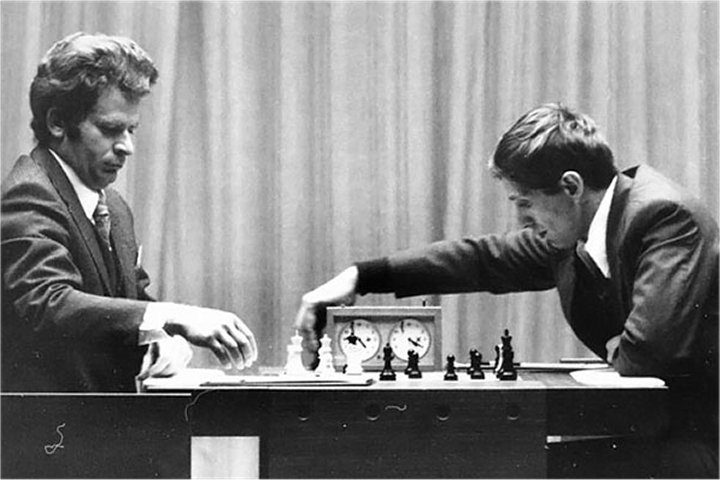
Bobby Fischer understood the history when he flew to Reykjavik in 1972 to face Boris Spassky. So did Wilhelm Steinitz when he claimed the title in 1886. So did Garry Kasparov, Anatoly Karpov, and every other person who wore the crown. The title match is different from everything that came before it because chess players know it is different.
Look at what the historical record reveals. World Championship matches produce moments that reshape how the game is understood. A single blunder can define a career. A quiet, brilliant defense can reverse a match's entire trajectory. Games are remembered across generations not because they happened in some tournament, but because they happened when everything was on the line.
Spassky in 1972 learned this lesson brutally. Fischer's psychological dominance was not an accident. It was the product of understanding that the World Championship match strips away every cushion. There is no next tournament to redeem yourself. There is no "well, I'll play better tomorrow." Each game carries the weight of the entire competition.
The last 140 years show a pattern. The player who understands this psychological reality tends to win. The player who treats it like a regular tournament tends to lose.
Gukesh, at 18 years old, is the youngest World Champion in history. He achieved that status by winning the 2024 World Championship match against Ding Liren. That victory granted him something Sindarov does not possess. Gukesh knows what it feels like to defend the title matters. He has already experienced the championship environment at the highest level.
But knowing and repeating are different things.
Sindarov represents the challenger's traditional disadvantage. Challengers must prove something. Champions must only hold what they have. This dynamic has played out across 43 previous world championship matches. The historical record shows champions win slightly more often than challengers, though the margins are closer than casual observers assume. The title is not unbeatable. It is just difficult to take.
What separates the remarkable championship matches from the forgettable ones is the quality of the chess and the drama of the positions. The games that people still discuss decades later involved positions where one player faced genuine adversity and either overcame it or succumbed to it. The blunders that live in infamy happened in positions that mattered, not in routine technical endgames.
This is what makes a World Championship match different from a Candidates Tournament or a super-tournament. The pressure transforms the game itself. Players think differently. They calculate differently. They make decisions based on match dynamics that would seem bizarre in any other context.
Gukesh must learn what Kasparov knew instinctively. The World Championship match does not care about your rating or your historical ranking. It cares about who breaks first under pressure. It cares about who maintains focus over 14 games, or 16, or however many it takes to reach 7.5 points.
Sindarov must understand that he is not trying to win a tournament. He is trying to take the crown from someone who has already proven capable of winning it.
The history of 140 years teaches both players the same lesson. The World Championship match reveals who you actually are as a chess player. The games will be remembered. The pressure will be real. The stakes genuinely matter.
That is why chess players spend their entire careers trying to reach this moment. That is why they spend their lives remembering the matches they watched.