# The Five Cities That Built Chess Into What It Is
Moscow's dominance in twentieth-century chess is so complete that calling it a chess capital feels like understatement. The Soviet Union made chess a state project, and Moscow became its headquarters. Botvinnik, Tal, Petrosian, Smyslov, Karpov, Kasparov. Five world champions emerged from Moscow's competitive ecosystem alone. The city's clubs, particularly the Central Chess Club founded in 1844, became laboratories for innovation. Soviet preparation methods, honed in Moscow's training rooms, eventually became the global standard.
But Moscow never operated in isolation. Leningrad (now St. Petersburg) produced Fischer's conqueror Karpov, along with a distinct school of dynamic, aggressive play that pushed back against Moscow's classical orthodoxy. The rivalry between these two cities drove Soviet chess forward.
**Reykjavik** entered the global chess consciousness through a single event. The Fischer-Spassky match of 1972 put this small Icelandic capital on the map as the stage for the Cold War's most theatrical proxy battle. That match changed how the world perceived chess. It stopped being an afterthought in sports coverage and became news. Reykjavik never produced a steady stream of world-class players, but it proved that chess could capture mass attention when the stakes and personalities aligned.
**London** in the nineteenth century was where modern chess developed. The city hosted the first international tournament in 1851, won by Wilhelm Steinitz. London's chess clubs and publishing scene, especially around St. James's Place, established the infrastructure that made competitive chess self-sustaining. When Steinitz later moved to New York, he transplanted London's organizational model to America.
**Barcelona and Valencia** represent Spain's steady climb from chess periphery to chess power. Spain now produces multiple grandmasters at any given moment, from Caruana's early development in Spain to current talents. The Mediterranean culture emphasizes chess in schools and clubs in ways that Anglo-American countries never did. Barcelona's hosting of major tournaments has only deepened that commitment.
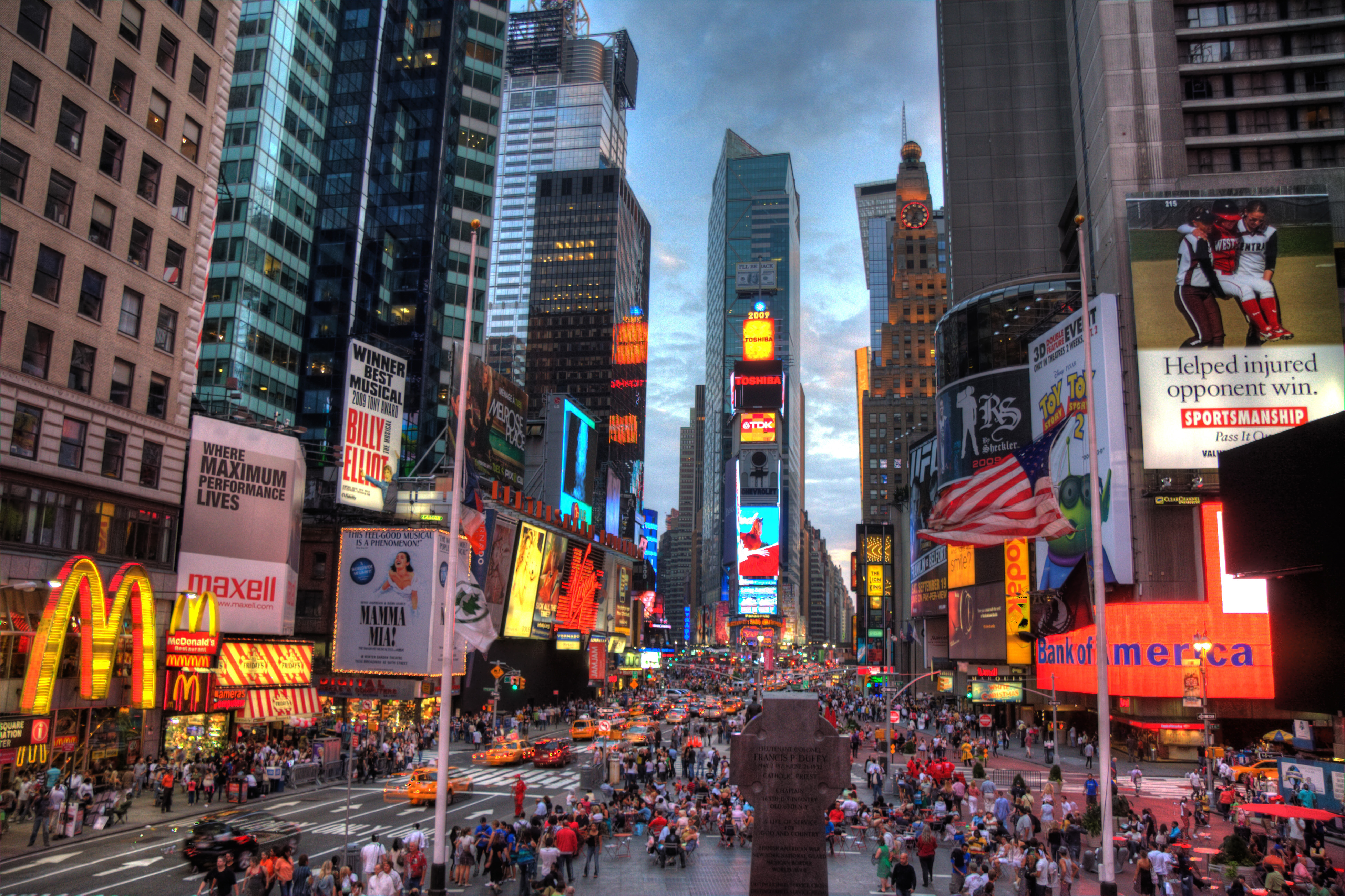
**New York** became the American chess capital early, hosting Kasparov-Karpov matches and establishing a sophisticated club culture that attracted both Soviet and Western grandmasters. The city offered the prize money and media attention that made it a serious alternative to Moscow during the Cold War chess arms race.
The pattern holds today. Cities with chess infrastructure produce players. They host tournaments. They build the clubs and academies where talent finds a table, a clock, and serious opposition. A city's chess heritage is not merely ornamental. It creates the conditions where the next champion learns the game.