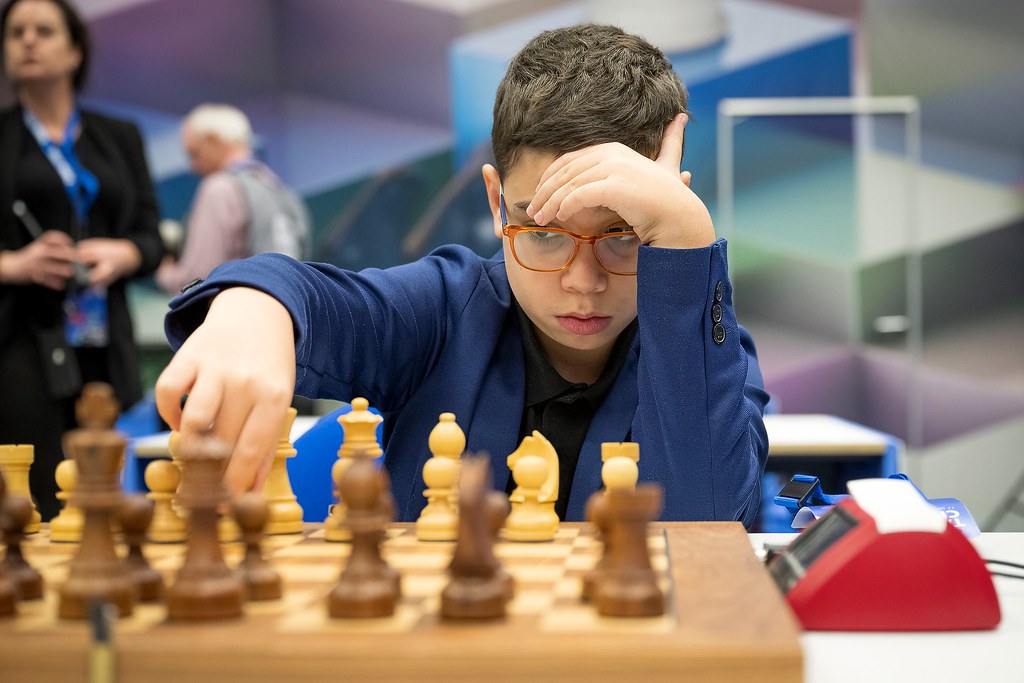
# The Real Secret Behind Chess Prodigies? It's Not What You Think
Every few years, another teenager grabs a grandmaster title before their sixteenth birthday, and the chess world wonders how they got there. The answer isn't as mystical as fans often assume. Prodigies aren't born knowing the Najdorf. They're built through a specific combination of factors that separate the Gukesh tier from the merely talented.
Talent matters, obviously. But raw ability without structure produces nothing. The players who actually break through share three overlapping ingredients: early exposure, relentless practice, and a family ecosystem that prioritizes chess seriously.
The early exposure piece is underrated. A child introduced to chess at five by a parent who plays competently learns the game differently than one dropped into a club at age ten. The early starters absorb chess as a language, not a subject. They develop intuition for piece placement and pattern recognition before they ever memorize theory. That foundation compounds over years.
But exposure alone creates club players. The prodigy element kicks in with practice structure. Modern grandmasters don't just play more games. They work with coaches, study endgames methodically, analyze their losses, and train against engines at precisely calibrated levels. A ten-year-old who plays twenty casual games per week learns less than one who plays three games and spends five hours analyzing them with a coach. Depth beats volume every time.
The environment factor separates prodigies from bright kids who plateau. A supportive family removes friction. If your parents understand chess, provide resources, and connect you with strong coaches, you move faster. The opposite is just as true. A gifted player without family support often stops improving in their teens. Time and money matter in chess, despite what the "anyone can make it" narrative suggests.
Consider the tournament path too. Early prodigies play against stronger competition constantly. They enter junior events, face players three years older, lose repeatedly, then adapt. This cycle accelerates their growth. A kid stuck playing only peers their own age never encounters the positions that force breakthroughs.
The common pattern: introduced early by a chess-literate family, trained by a quality coach, entered into competitive events with older players, and given the freedom to spend two to three hours daily on chess during their most formative years. Add decent talent, and prodigy titles follow.
It's not magic. It's engineering. And it's reproducible if you have the right pieces in place.