FIDE has a patron problem, not a cash problem. And that's the real danger.
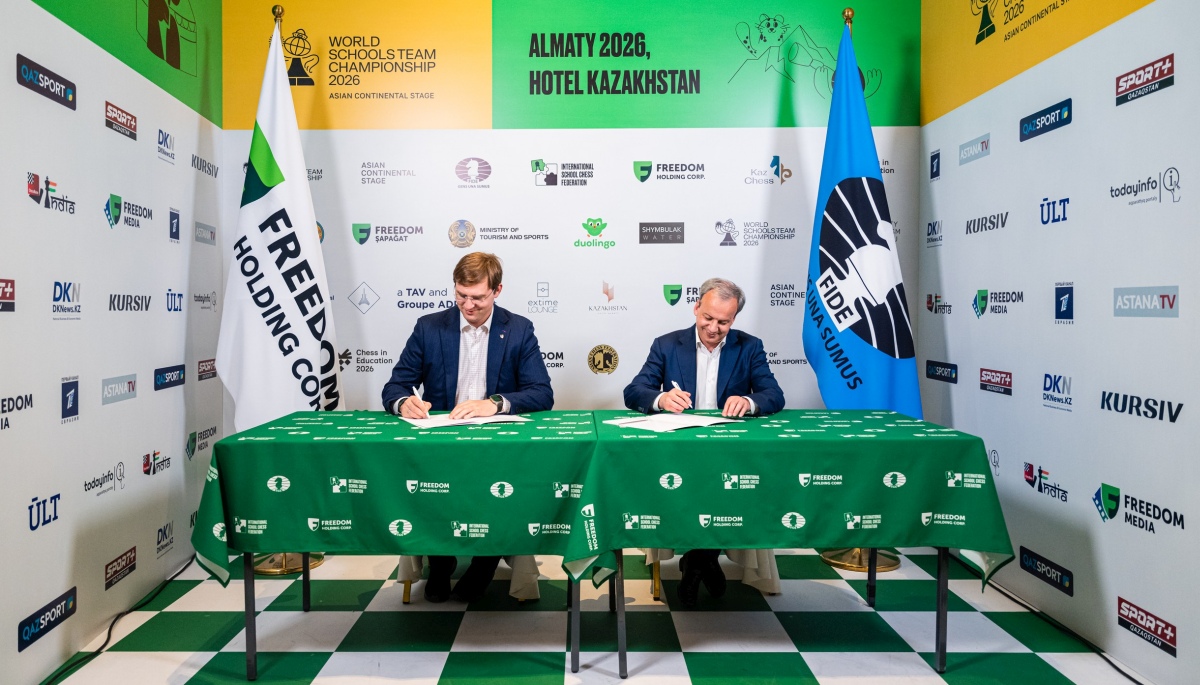
Timur Turlov, the billionaire businessman running for FIDE president, made a telling argument during the recent presidential debate. He positioned himself as chess's financial savior, pointing out that his company Freedom Holding Corp has bankrolled the organization when it needed breathing room. The logic sounds practical. Chess needs money. Turlov has money. Problem solved.
Except it isn't. FIDE doesn't need another rich benefactor. It needs a business.
Here's why this matters. Dependence on any single patron, no matter how wealthy or well-intentioned, creates institutional fragility. What happens when Turlov's interests shift? What happens when the next financial crisis hits and his company's available capital shrinks? FIDE, the governing body of world chess, can't operate like a chess club with a generous donor. It needs revenue streams. It needs diversified income. It needs to be answerable to the game itself, not to whoever wrote the biggest check.
The difference between a sustainable organization and a dependent one shows up in decision-making. When your budget depends on one person's goodwill, that person's priorities often become the organization's priorities. Tournament scheduling bends toward their preferences. Marketing focuses on their vision. Policies align with their interests. FIDE's job is to serve chess globally, not to serve its financial lifeline.
Turlov's pitch reveals the depth of FIDE's actual problem. A properly structured international federation shouldn't need a billionaire to function. The International Chess Federation should generate revenue through legitimate channels. Media rights sales for the World Championship. Licensing arrangements with online platforms. Commercial sponsorships tied to genuine business value, not patronage. Tournament licensing fees. Digital content monetization.
None of this is novel. Other sports federations run themselves this way. FIDE could too, if it prioritized building systems instead of seeking saviors.
The irony cuts deeper: Turlov claims FIDE should "eventually become financially sustainable," but his own candidacy argues against that timeline. By positioning himself as the current answer, he delays the harder work of creating permanent solutions. Why would a FIDE president invest years building a real business model when a benefactor can write a check?
The next FIDE president, whoever wins, needs to treat financial independence as a mandate, not an aspiration. That means difficult conversations about chess monetization. That means turning down easy money if it creates dependency. That means building institutional strength that outlasts any individual.
Chess is too big for handouts. FIDE should start acting like it.