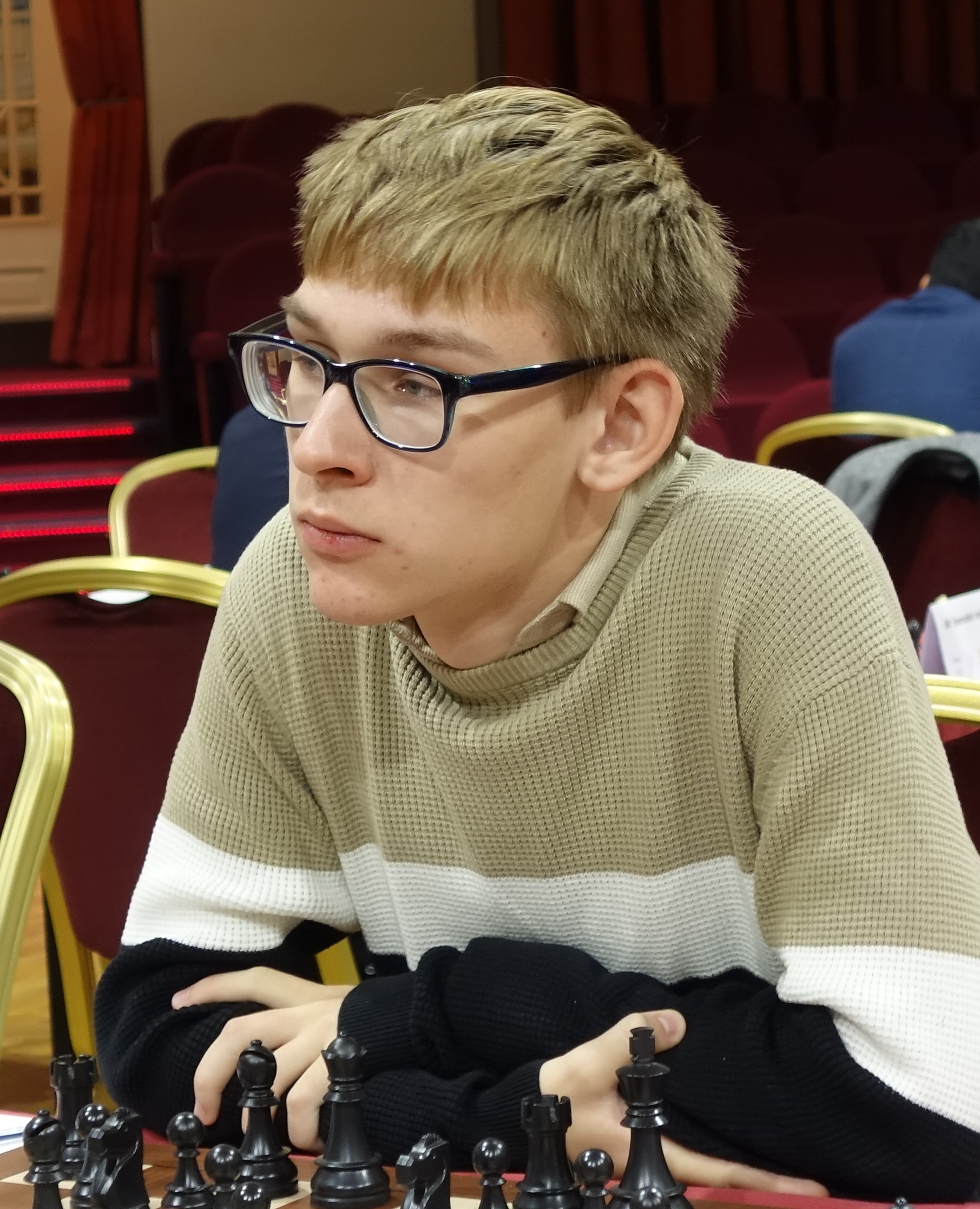
Denis Lazavik just handed the chess world a reminder that bad takes don't vanish because you say them on stream.
Belarus' top player defended splitting Mikhail Shereshevsky's training camps by gender, claiming women "don't understand" the material taught to men. Lazavik used an anecdote about studying openings with Alexei Shirov to justify the segregation, suggesting joint sessions became impossible when female players attended.
The argument collapses immediately. Shereshevsky ran unified camps for decades without incident. His methods work because they work, not because of the gender distribution in the room. Players absorb what they're capable of absorbing. Pretending otherwise is pseudoscience dressed as pedagogy.
What's actually happening here is simpler and uglier. Lazavik and whoever made this decision don't want women in the room. They've dressed it up as a practical problem instead of naming the real one: comfort. Their comfort.
The chess world has seen this movie before. When women join a male-dominated space, the first defense is always "different needs require different methods." It's been the excuse in every field from mathematics to medicine to law. It's wrong every time. Judit Polgar didn't learn chess differently than her brothers. She learned the same moves, studied the same positions, and beat most of them.
What matters now is whether Shereshevsky himself stands behind this split. His reputation built on training elite players regardless of background. If he's endorsing gender segregation, that's a serious statement about his program's values. If this decision came from administrators below him, he needs to say so clearly.
The chess community won't forget this. Young female players evaluating camps will add this one to the "don't bother" list. That costs Shereshevsky credibility and reach. Lazavik costs himself too, though he probably doesn't realize it yet. Every interview he does from here forward gets framed by this one.
There's a practical consequence hidden in the policy shift. Separated training means separated networks. The men's group builds connections that last careers. The women's group gets the same lessons but misses the same relationships. That's not pedagogy. That's institutional exclusion with a chess manual attached.
Lazavik had a choice. He could have admitted that mixed training makes him uncomfortable, or that he prefers studying with men. Instead he claimed women lack the capacity to understand. He turned preference into biology. That's the move that sticks.