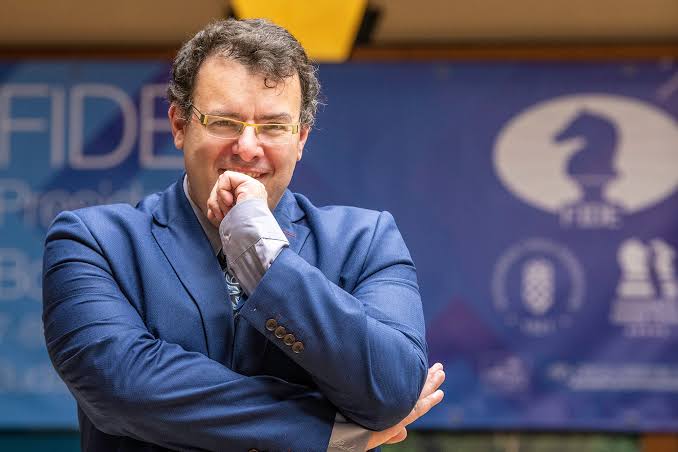
Emil Sutovsky Just Got More Power at FIDE. The Chess World Should Watch Closely.
FIDE handed Emil Sutovsky the keys to its commercial engine on November 5. The Ukrainian grandmaster now runs FIDE Enterprises, the federation's Swiss-based company, while keeping his advisory role to FIDE President Timur Turlov. It sounds bureaucratic. It is not. This appointment shapes how chess monetizes itself over the next decade.
Sutovsky already had a seat at the table. As Turlov's chief adviser, he influenced strategy. Now he controls execution. FIDE Enterprises manages the federation's business side: tournament partnerships, broadcasting rights, sponsorship deals, and new revenue streams. The job demands someone who understands chess culture, speaks the language of corporate sponsors, and can navigate the Byzantine politics of international chess. Sutovsky ticks all three boxes. He played in five Olympiads. He held the Kramnik seconds gig. He knows who matters and why.
The appointment triggered immediate pushback. At least one prominent voice questioned the move before sunrise the next morning. The criticism likely centers on Sutovsky's growing influence within FIDE's power structure. He now wields authority over cash flow while remaining Turlov's closest adviser. That's a lot of overlap for one person, especially in a federation that has historically struggled with transparency around money.
Here's what matters. Chess has a cash problem. The game generates passionate audiences worldwide, yet sponsorship deals remain fragmented. Tournament purses depend on billionaire patrons and government grants. Broadcasting money is scattered across platforms. Clubs and federations struggle to build sustainable revenue models. Someone needs to think like a business. FIDE Enterprises, properly run, could change that.
Sutovsky has credentials. He launched Chess.com's business operations before joining FIDE. He understands how to package chess for corporate partners and digital audiences. He speaks multiple languages. He has already worked with Turlov on strategic positioning. This is not a random hire.
The risk is real though. Sutovsky holding both advising and CEO roles creates a potential conflict. If FIDE Enterprises pursues a commercial direction that contradicts federation interests, who decides? How does that get resolved? FIDE's governance structure relies heavily on trust in key individuals rather than robust institutional checks. That model works fine with the right people. It breaks down fast with the wrong ones.
The chess community should expect Sutovsky to propose big moves soon. New tournament formats with corporate backing. Streaming partnerships that funnel revenue to FIDE. Perhaps equity stakes in chess platforms. Some ideas will improve the sport's financial health. Others will provoke backlash from purists who fear commercialization.
Watch the next six months. Sutovsky's opening moves as CEO will tell you whether this appointment strengthens chess or simply concentrates power further.