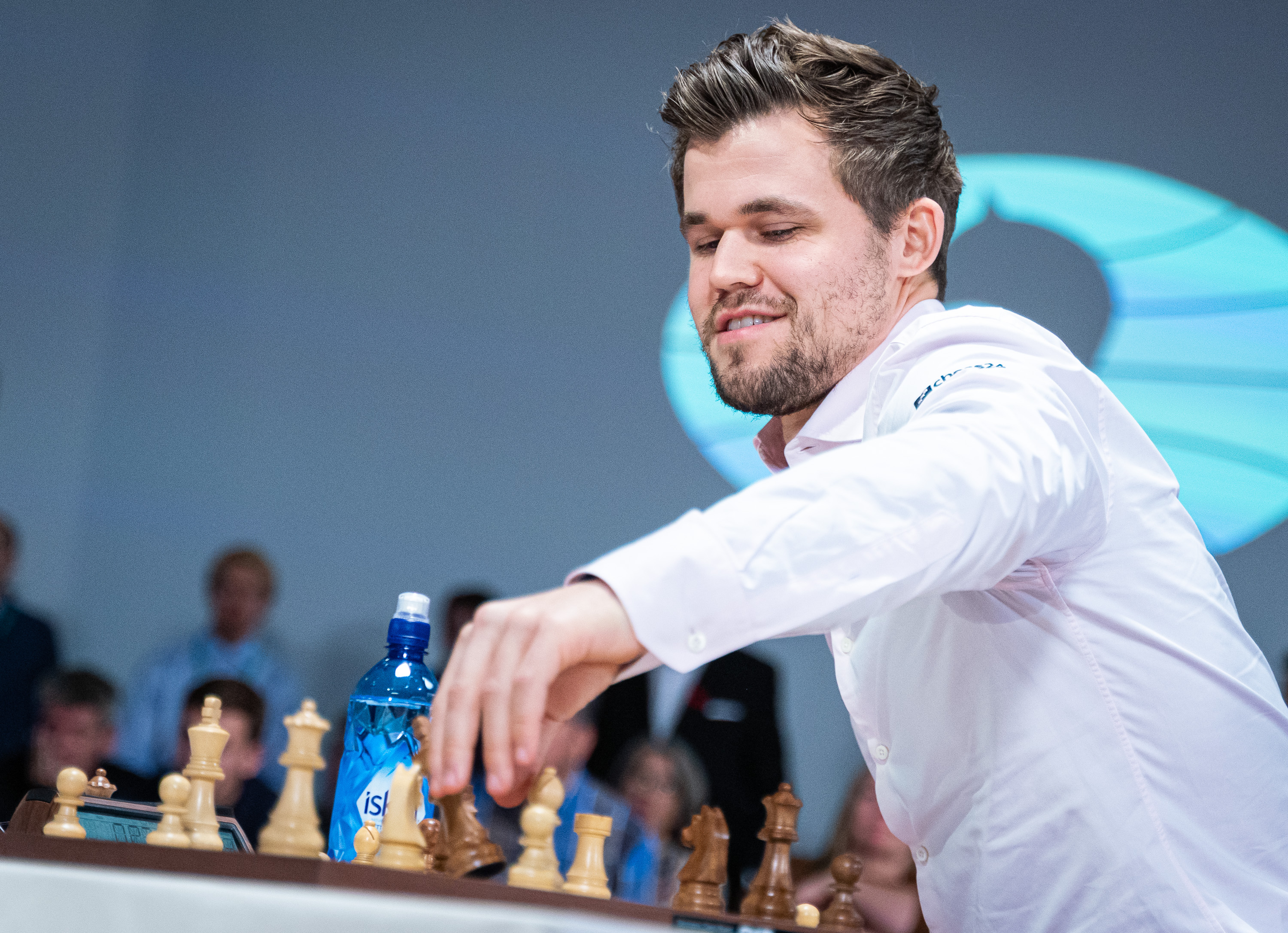
Wadim Rosenstein is running for FIDE president on one central promise: get Magnus Carlsen back. He told Reuters this week that if elected, his first order of business would be pulling the world number one back into the classical World Championship cycle, the tournament format Carlsen abandoned in 2022 after refusing to defend his title against Ian Nepomniachtchi.
Rosenstein's pitch goes beyond just coaxing Carlsen. He frames the entire candidacy around institutional repair. His platform demands governance reform, genuine transparency in FIDE decision-making, and strict conflict-of-interest rules. He's positioning himself as the anti-corruption candidate while also being the Carlsen whisperer.
"We need to communicate to the world that the most important title is the classical world championship," Rosenstein said. "We need to respect our traditions." This is a direct rebuke of the current FIDE apparatus under Arkady Dvorkovich, which has allowed Carlsen's absence to persist and expanded rapid and blitz championship formats.
Why this matters now. The classical championship is bleeding legitimacy. Ding Liren's reign as World Champion has attracted minimal global attention. The cycle feels hollow without the sport's undisputed number one player participating. Sponsors, media partners, and casual fans all ask the same question: why should we care about a title Carlsen won't play for? For Rosenstein, fixing that gap is non-negotiable. It's not a side project. It's the centerpiece.
The governance angle is sharper than it sounds. FIDE has been plagued by opaque dealings, suspect ethics, and board members with clear personal agendas that conflict with the sport's interests. Rosenstein is signaling that he understands the root problem: you can't trust an institution to make good decisions when nobody knows how those decisions get made. Tighter rules and transparency aren't soft improvements. They're structural.
Getting Carlsen back, though, is the real chess problem. Carlsen has stated publicly that he lost interest in defending the classical title. Money wasn't the issue. He wanted out. Rosenstein needs to answer a harder question than just "What would you offer him?" He needs to convince voters that he can actually deliver. That's far different from promising it.
The FIDE presidential election shapes the entire sport's direction for four years. If Rosenstein wins, Carlsen becomes the test case. If he loses, the classical championship continues its slow fade while rapid and blitz tournaments chase the money and eyeballs that matter to current leadership. For classical chess believers, this election isn't theoretical anymore.